How succession struggles in China’s history are echoed in Malaysia’s 2026 royal crisis
Disputes over Negeri Sembilan’s next royal ruler recall how succession in China often fused dynastic legitimacy with aristocratic elections

Rarely featured in domestic or international news, the Malaysian state of Negeri Sembilan is currently facing a constitutional crisis centred on its royal ruler.
In April 2026, four chieftains known as the Undang Yang Empat declared that the incumbent ruler, Tuanku Muhriz Tuanku Munawir, had been deposed, and named a successor.
The state government rejected the move, arguing that the declaration was invalid because one of the chieftains no longer held legitimate authority. The incident has since escalated into a broader stand-off, drawing in legal interpretation, political interests and questions of constitutional procedure at both state and federal levels.
To grasp the stakes, it is essential to understand how Negeri Sembilan’s monarchy works. Unlike most hereditary systems, its ruler, the Yang di-Pertuan Besar (“he who is made a great lord”), is not determined by strict primogeniture – the legal or customary right of the firstborn child to inherit an estate, title or throne. Instead, the ruler is elected by the four chieftains who deliberate collectively when a vacancy arises.
Eligible candidates are drawn from the royal house, but selection depends as much on personal qualities and the ability to command consensus as on lineage. This fusion of heredity and elective principle makes Negeri Sembilan’s system one of the most unique monarchies in the modern world.
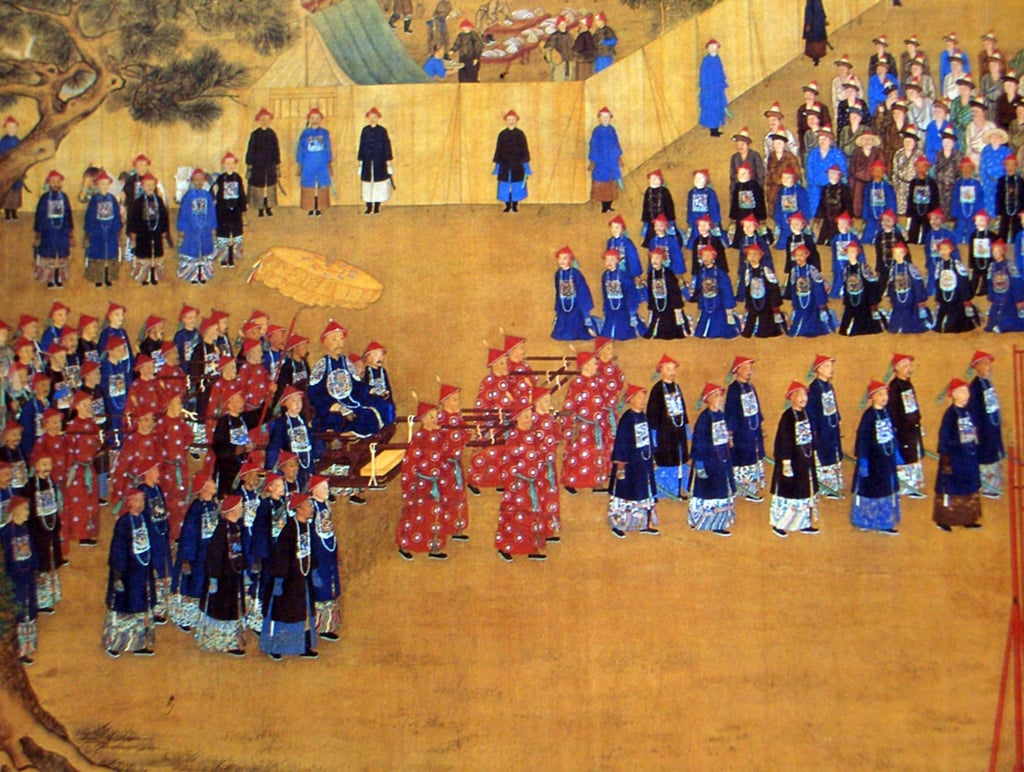
Historically, such arrangements are less exceptional than they might appear. In inner Asia and China, particularly under non-Han Chinese dynasties, succession often blended dynastic legitimacy with aristocratic elections.