
When Chinese emperors and their prime ministers fell out, the results could be deadly
Imperial China relied on officials to run government affairs under the emperor, but as history shows, this power dynamic was a fragile one

Czech politics seldom register on anybody’s radar in East Asia, but within a month of living in Prague, I am already hooked on the country’s political drama. It is more fascinating than any reality TV show.
At the moment, the main spectacle is the very public spat between the Czech president and prime minister. President Petr Pavel, a liberal and popular retired army general who previously served as chairman of the Nato Military Committee, and Prime Minister Andrej Babis, a populist business tycoon often dubbed the “Czech Donald Trump”, disagree on almost everything, from domestic policy to foreign affairs.
In a recent video post, Babis called Pavel a “manipulated puppet” controlled by advisers, and said he was “ashamed” of the president for embarrassing the country abroad.
Many in Hong Kong are unfamiliar with the way the Czech Republic – as well as several dozen other countries including Italy, India and Singapore – organises its government. The president is the largely ceremonial head of state, while the prime minister is the head of government who actually runs the country – a company chairman and its CEO, if you will.
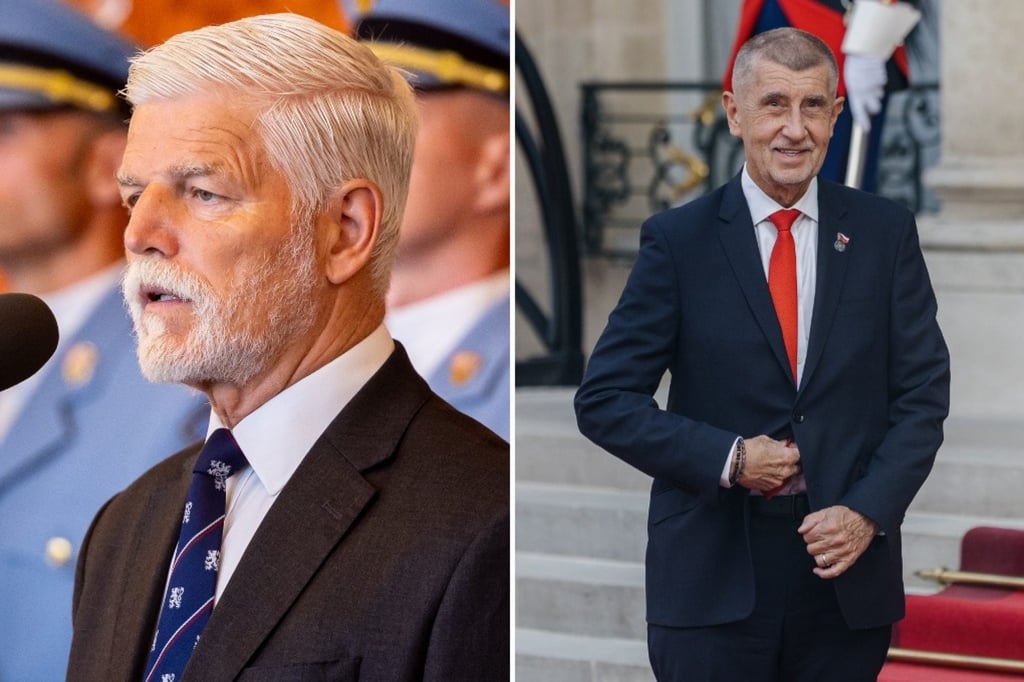
The arrangement works well when both individuals respect the limits of their roles. But when they clash, the delicate, and at times unspoken, equilibrium between president and prime minister is upset, which can easily escalate into constitutional crises.
Throughout Chinese history, one of the most persistent tensions at the heart of government was the uneasy relationship between the emperor and his prime minister. Of course, a Chinese emperor and a modern-day president have little in common, but both must rely on someone to handle the day-to-day business of governing.