#MeToo hits K-pop: South Korean music industry forced to confront misogyny and abuse
- Previously, K-pop had seemed immune to allegations of sexual abuse, but recent sex scandals have put it at the centre of South Korea’s #MeToo movement
- The country’s president, Moon Jae-in, has vowed to clean up the entertainment industry

For many South Koreans, the admission by a K-pop star that he secretly filmed himself having sex with women and shared the footage with other celebrities was yet more evidence of a culture of misogyny and sexual abuse that has put the country at the epicentre of Asia’s #MeToo movement.
The sordid details of Jung Joon-young’s alleged misconduct sounded familiar in a society struggling to cope with a voyeurism epidemic – especially in a week when two other men were arrested for allegedly filming 1,600 guests across 30 South Korean hotels with spycams – but with one crucial difference. The latest allegations of sexual misconduct involve some of the best-known figures in K-pop, South Korea’s most successful cultural export.
In the space of a week, allegations surrounding the singer-songwriter Jung and Seungri, a member of the internationally popular boy band BigBang, have snowballed into overlapping sex and corruption scandals that have exposed K-pop’s dark underbelly and prompted a backlash among all but the most obsessive fans.
Jung said he would retire from show business and admitted that he had shared with members of a chat room footage of him having sex with several women without their knowledge. Members of the chat room allegedly included Seungri, who is alleged to have run an illegal prostitution ring out of nightclubs in Seoul’s trendy Gangnam district. The 29-year-old singer has denied the allegations.
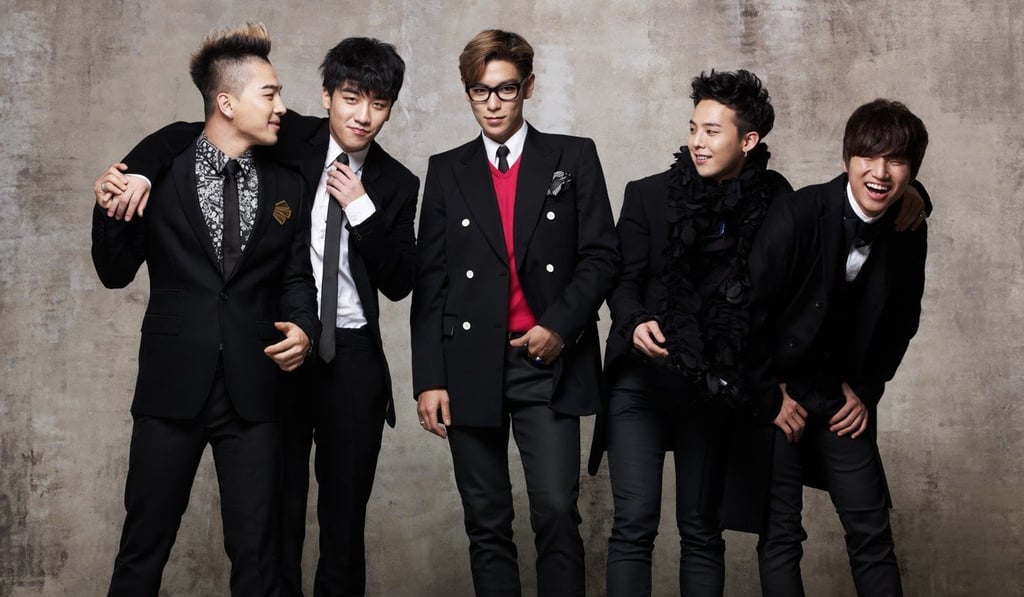
Allegations of sexual misconduct have shattered the wall of silence that protected K-pop – the vanguard of the hallyu wave of Korean pop culture whose global brand recognition ranks alongside that of Samsung smartphones and Hyundai cars.