Filipino-American rapper on her hip hop roots, idol Eminem, immigrant story and challenging female stereotypes
- Ruby Ibarra was four years old when she moved with her family from the Philippines to San Lorenzo, California, and from early on hip hop inspired her
- Her unapologetic songs deal with immigration and how Asian-American women are seen as dainty and voiceless – a stereotype she intends to change
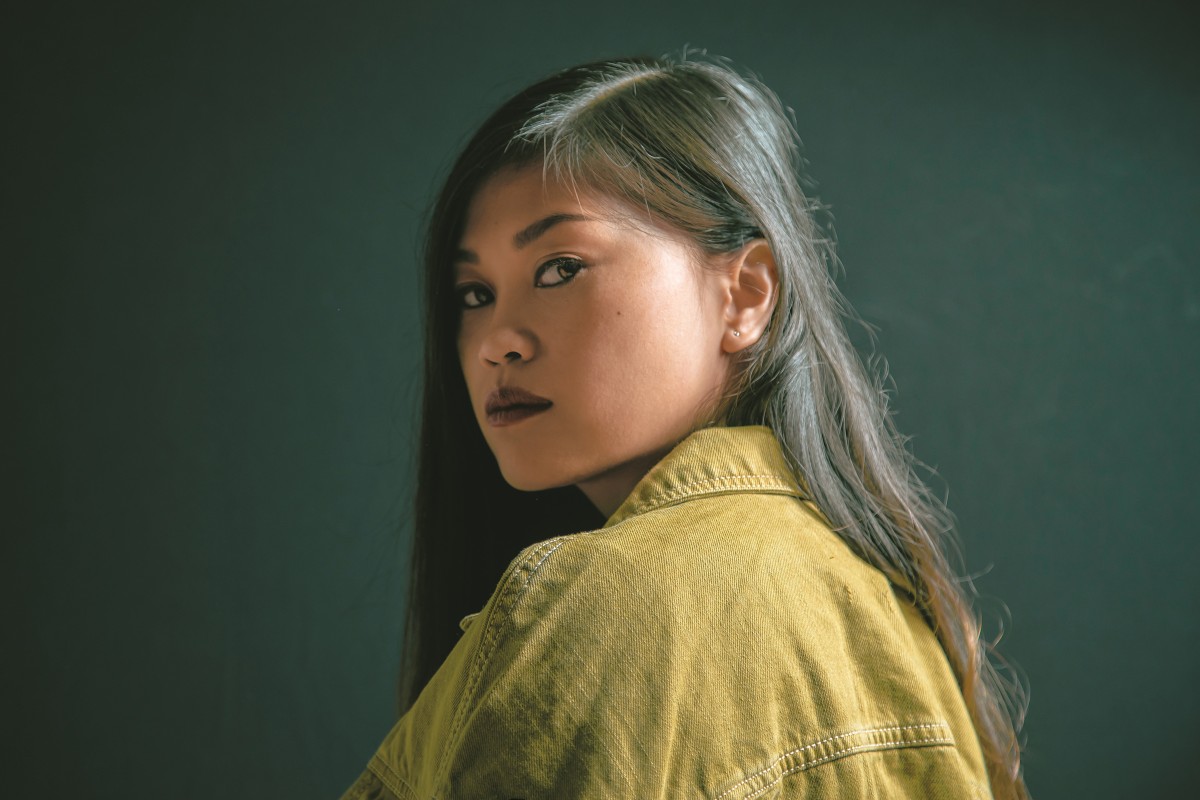
Filipinos are California’s largest Asian population. But as one of the state’s most visible immigrant groups, stereotyping is commonplace. In the media and in the public imagination, Filipinos are seen as smiling and subservient.
But not Ruby Ibarra, a rising 28-year-old rapper. Ibarra is angry. She is not meek, but militant. In her videos, she is seen with her crew raising their fists in solidarity, or flashing balisongs – traditional Filipino fighting knives.
Ibarra was four years old when she moved with her family from Tacloban city in the eastern Philippines to San Lorenzo, a commuter town east of San Francisco. Arriving in 1991, she came of age alongside the art form that would inspire and define her: hip hop.
The ’90s were a golden age for rap music as artists increasingly took on the mantle of truth tellers, rapping their stories of struggle and triumph, of feeling like outsiders in their own country. And the Bay Area, especially the East Bay, where Ibarra lived with her family, was a hotbed of edgy, envelope-pushing rap music.
“It was fortunate that my family decided to move out here specifically to the Bay Area just because it’s such a melting pot of not only culture and food, but also music,” Ibarra says. “I remember being a little kid and hearing Snoop Dogg playing out of everyone’s car, or Ice Cube coming out of different people’s houses.”