‘My gift’: Chinese director Jia Zhangke on using China’s most influential writers to paint a subtle portrait of country’s history since 1949
- One of China’s so-called ‘sixth generation’ of filmmakers, Jia’s Swimming Out Till the Sea Turns Blue brings to an end his trilogy about the arts in China
- Focus here is on the written word, with three distinguished Chinese writers – Jia Pingwa, Yu Hua and Liang Hong – giving their insights
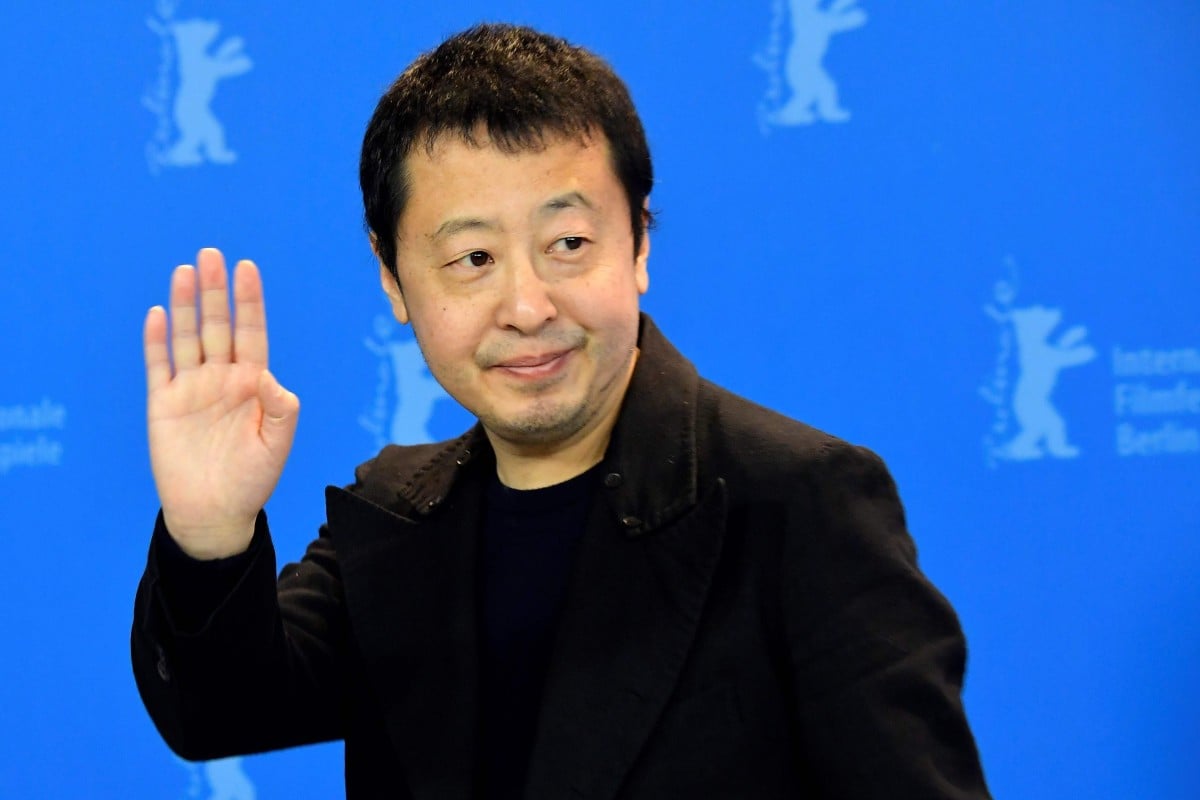
Sitting quietly in Berlin’s Hyatt Hotel for this interview, Jia Zhangke is a long way from home – a subject that must be on his mind right now.
One of the pre-eminent figures in China’s so-called “sixth generation” of filmmakers, famed for such films as A Touch of Sin, the Venice-winning Still Life and Ash Is Purest White , he is here at the Berlinale to present Swimming Out Till the Sea Turns Blue.
Jia’s first documentary since 2011’s I Wish I Knew, this non-fiction odyssey also takes him back to his native Fenyang in Shanxi Province, the setting for a number of his films including Platform and Mountains May Depart .
After his studies of painter Liu Xiaodong (in 2006’s Dong) and fashion designer Ma Ke (2007’s Useless), this is the conclusion of Jia’s loosely defined trilogy about the arts in China.
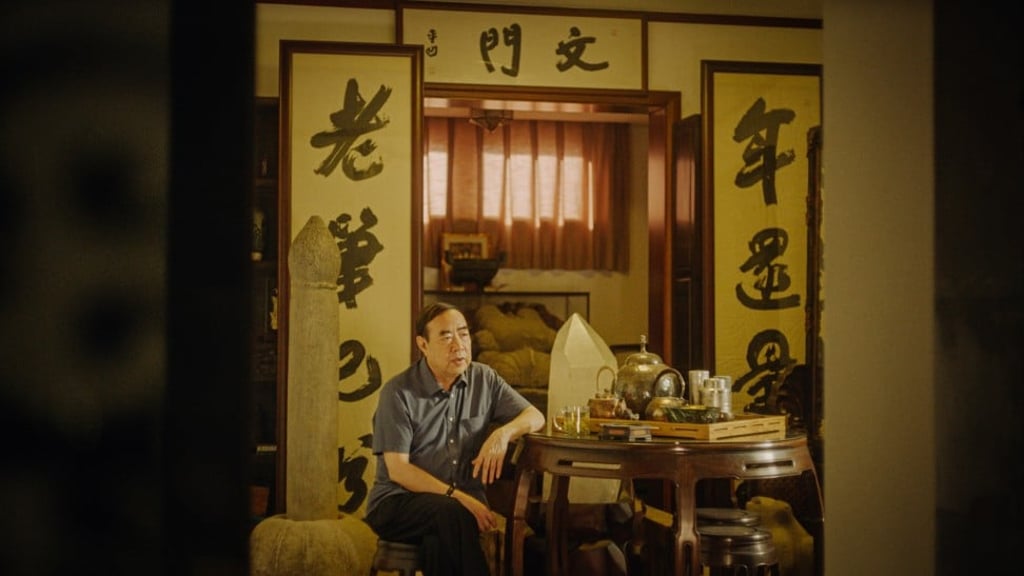
Here, his focus is the written word, as three Chinese writers of note – Jia Pingwa, Yu Hua and Liang Hong – gather to speak at a literature festival in Shanxi Province. A fourth, the late Ma Feng, is also a significant presence in a film that relies heavily on personal testimony.