Human story of coronavirus told in Hong Kong pair’s short film Shut Off, about a businessman caught in Wuhan lockdown
- Workaholic lead character initially keeps up pretences in video calls to his family even as he grows sicker, but then faces up to dysfunction in his marriage
- Technology is about how it connects us, says film’s director, who adds that they wanted to get beyond headlines about numbers infected and killed by Covid-19

Two Hong Kong-based filmmakers decided to give Covid-19 a human face, having seen many people become consumed by rapidly growing coronavirus case counts.
The 15-minute film, Shut Off, tells the story of an unprepared Hongkonger on a business trip who is stranded in the virus’ epicentre in China, Wuhan, after the unexpected lockdown of the city. All he can do is to video call his clueless mother and wife in Hong Kong and pretend everything is fine as he gets sicker.
When his smartphone becomes the only way he can connect with his family hundreds of kilometres away, the confessed workaholic finally opens up and reflects on his dysfunctional relationship with his wife, who is in the process of divorcing him.
“Technology is not just about what it can do. It is also about how it helps us, connects us and how technology is not really successful technology until it does that,” says the film’s Australian director, Thomas J Elliott.
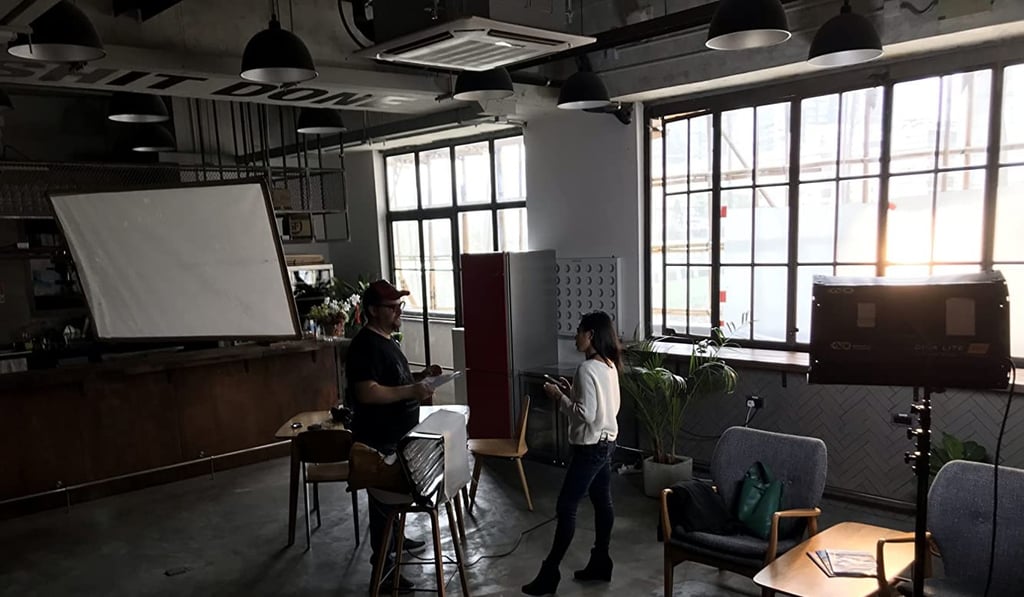
The video creator, who co-founded Creative Theory Group, also wants to tells stories about how ordinary people might be affected by the virus in their daily lives.
“Most of the reporting tends to focus on how many people have been infected, died and survived. It’s very useful, functional information. But at the end of it, it’s a human story about people,” says Elliott, who is eager to see characters go through positive changes.