Why a new generation of Singapore filmmakers have turned to social realism in their stories about the Lion City
- Many think of Singapore as a safe place full of rich elites, and films such as Crazy Rich Asians reflect that perception
- Films such as I Dream of Singapore and A Land Imagined look at the Lion City through the eyes of migrant workers and the poor

When a starry-eyed 27-year-old Muhammad Feroz Al Mamun left Bangladesh for Singapore, he didn’t think his dream would crumble to dust in the span of just two years.
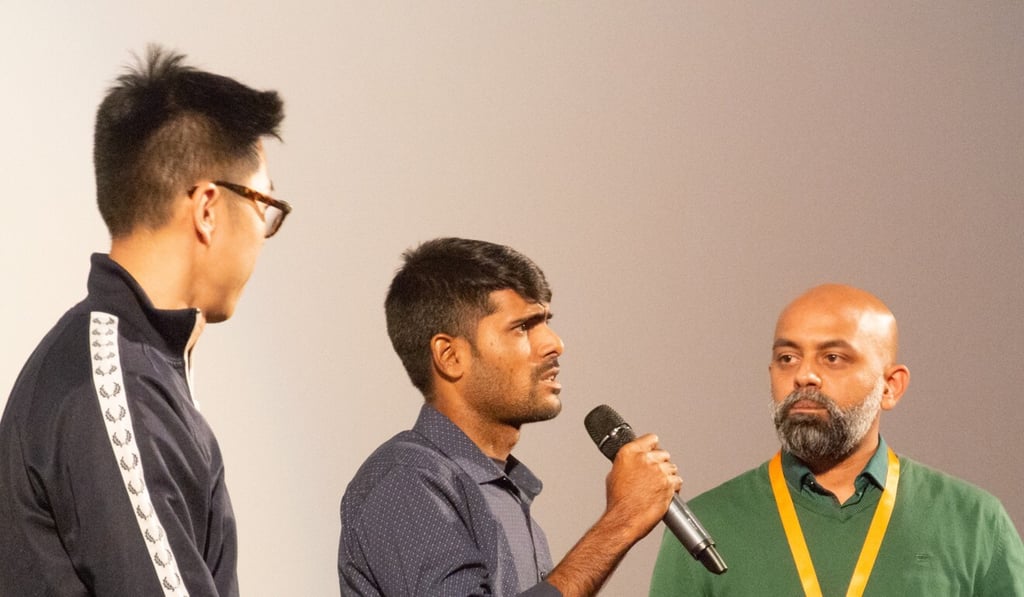
“I came from a very poor family, so I wanted to establish myself in Singapore. I expected to earn money then go back to Bangladesh to live a good life, but it’s actually very difficult for migrant workers to stay in Singapore,” says Feroz – who attended the 70th Berlinale International Film Festival in February with I Dream of Singapore director Lei Yuan Bin, producer Dan Koh and fellow cast member Ethan Guo.
Feroz’s journey is central to Lei’s latest documentary, which premiered to an international audience as one of the 36 feature films selected for the Panorama section of the festival in Germany. The film follows Feroz taking refuge at DaySpace, a sanctuary for unemployed migrant workers run by the non-profit Transient Workers Count Too (TWC2) organisation, which helps low-wage and exploited migrant workers in Singapore. Feroz was stuck in limbo because of a work injury he had sustained on a construction site and sought help from TWC2.
He never received the compensation he deserved nor the legal right to continue working in Singapore. At the end of the documentary, Feroz is seen in bed, staring blankly into the camera, echoing the film’s opening scene.
Feroz says the “Bangladesh Dream” is to get a government job, but without the essential connections few people manage to secure one.
The “Singapore Dream”, as friends from his home village suggested, could be a good substitute.