Hong Kong martial arts cinema: how Ashes of Time, star-studded Wong Kar-wai film, gained classic status
- Ashes of Time is based on a four-volume saga by martial arts novelist Louis Cha, who modernised the long-standing genre in the 1950s
- The film focuses on its characters’ inner lives rather than their martial arts, making it something of an anomaly among wuxia films
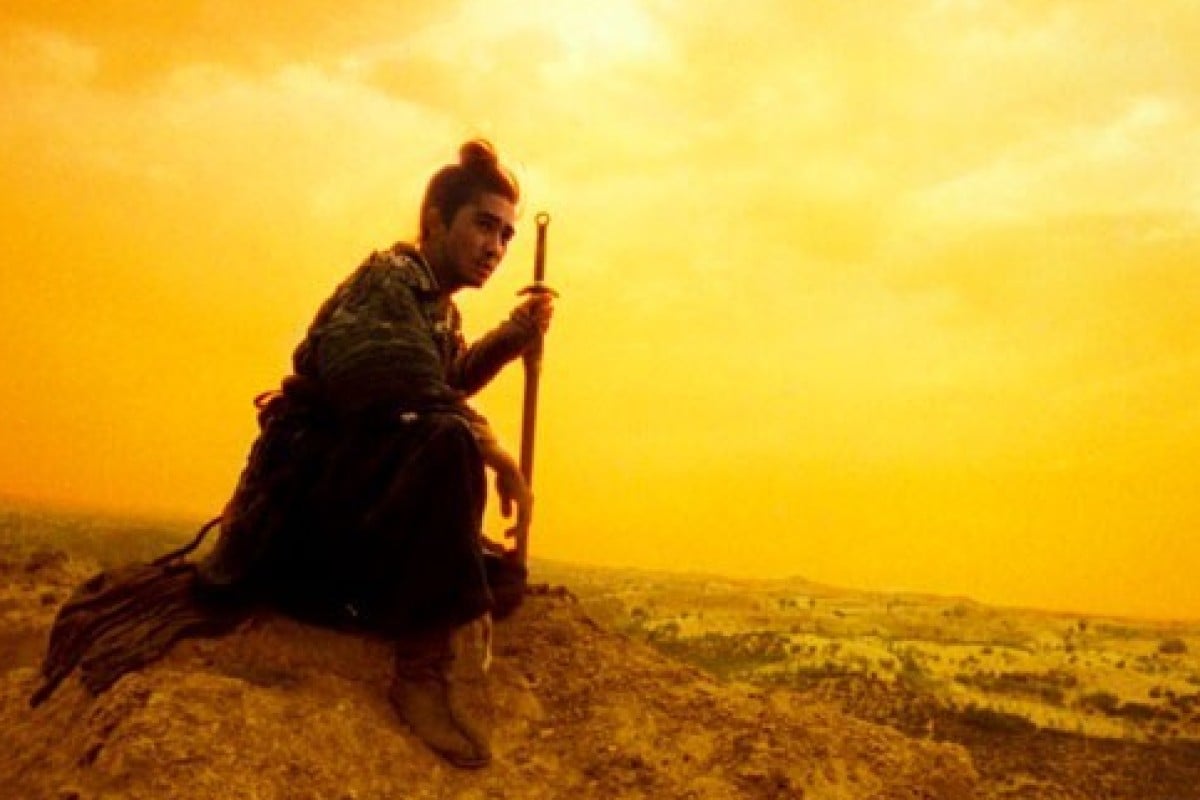
On April 23, 1995, Wong Kar-wai’s Ashes of Time won two prizes – for best art direction and best costume and make-up design – in the Hong Kong Film Awards but lost out in the top two categories: the best film and best director awards both went to Wong’s 1994 film, Chungking Express, instead.
Twenty-five years on, Ashes of Time is indisputably seen as a classic in its own right.
In the film, Wong utilises the world of jiang hu (the community of martial artists in wuxia stories) to explore a network of personal relationships that would normally by expressed through combat scenes, by using thoughtful dialogue and poetic imagery instead. The result is a unique masterpiece that exists both within the wuxia genre and outside it.
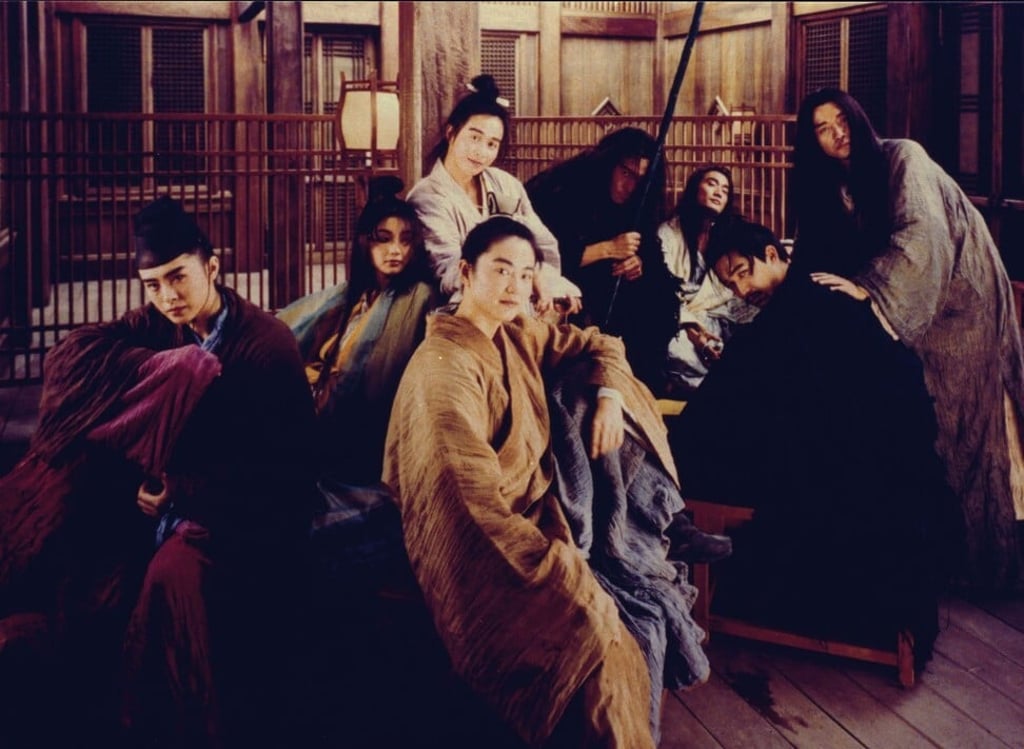
Ashes of Time, which took two years to finish – actual shooting only took four months – was released in 1994. Appearing around a year after the modernised sword-fighting genre popularised by Tsui Hark’s Swordsman films had faded, it met with a muted response from audiences, but was acclaimed by critics in Hong Kong.
The script, written by Wong, was based on a four-volume saga by martial arts novelist Louis Cha (aka Jin Yong), one of the best-known writers of the new wave of martial arts novelists who modernised the long-standing literary genre in the 1950s.