The good, the bad and the ugly: Western-influenced martial arts films of the 1960s
- Westerns were a prominent genre in the 1950s and ’60s, and had a big effect on filmmakers around the world
- The genre’s influences can be seen in two Shaw Brothers Hong Kong martial arts films by Chang Cheh: Have Sword, Will Travel and The Wandering Swordsman
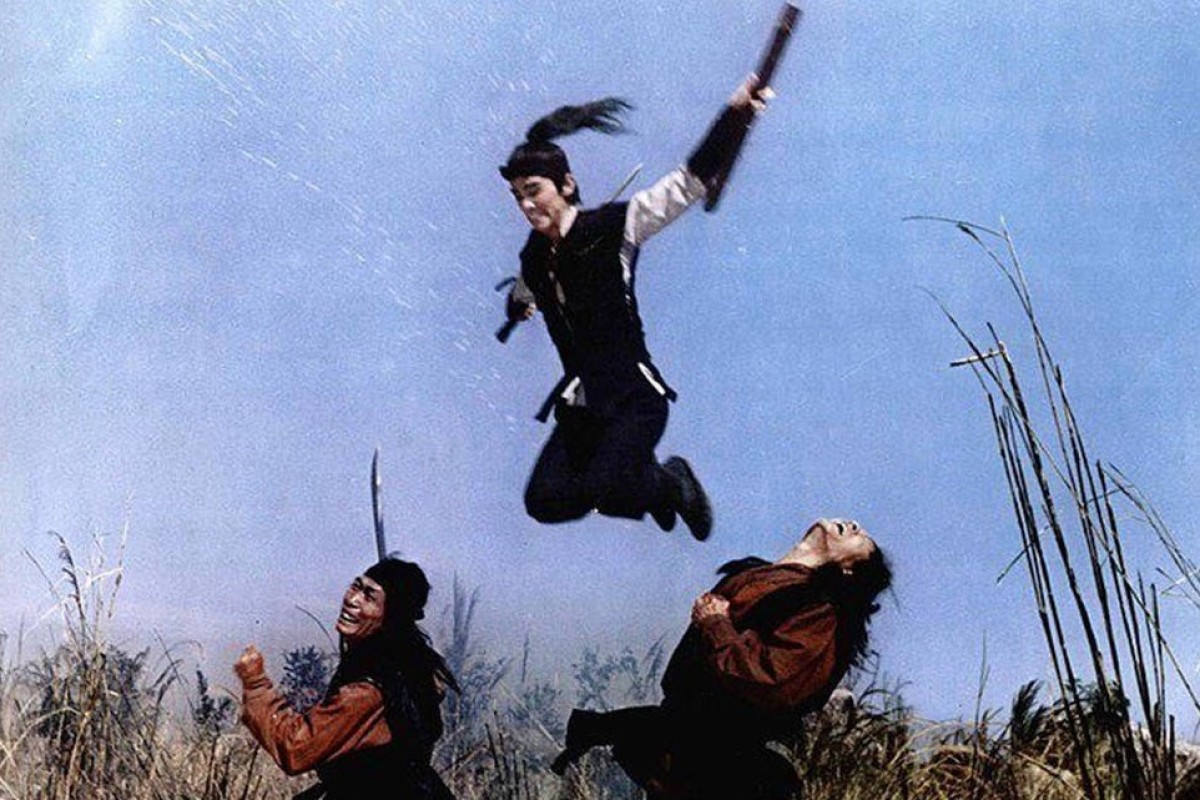
Martial arts films are often compared with Hollywood Westerns, as both types of film strongly reflect the culture of the places that invented them. Westerns, in general, reflect America’s focus on rugged individualism, whereas martial arts films often focus on the activities of groups working together for the common good, for instance.
Considering their cultural differences, it’s interesting to note that Westerns, which were the predominant international genre of the 1950s and early ’60s, had an influence on some martial arts films.
Hong Kong martial arts films did not develop in a vacuum, and were influenced by Japanese sword fighting films, James Bond movies, and the “spaghetti Westerns” of Sergio Leone in the 1960s. The Shaw brothers screened all kinds of films daily in their Clear Water Bay offices to try to spot new trends and techniques.
Two Shaw Brothers films by Chang Cheh, Have Sword, Will Travel (1969) and minor offering The Wandering Swordsman (1970), seem to be attempts by the director and his regular scriptwriter, Ni Kuang, to make a wuxia film in a Western style and setting. Both movies pay greater homage to mainstream Westerns by directors like John Ford and John Sturges than to Leone’s violent spaghetti Westerns.
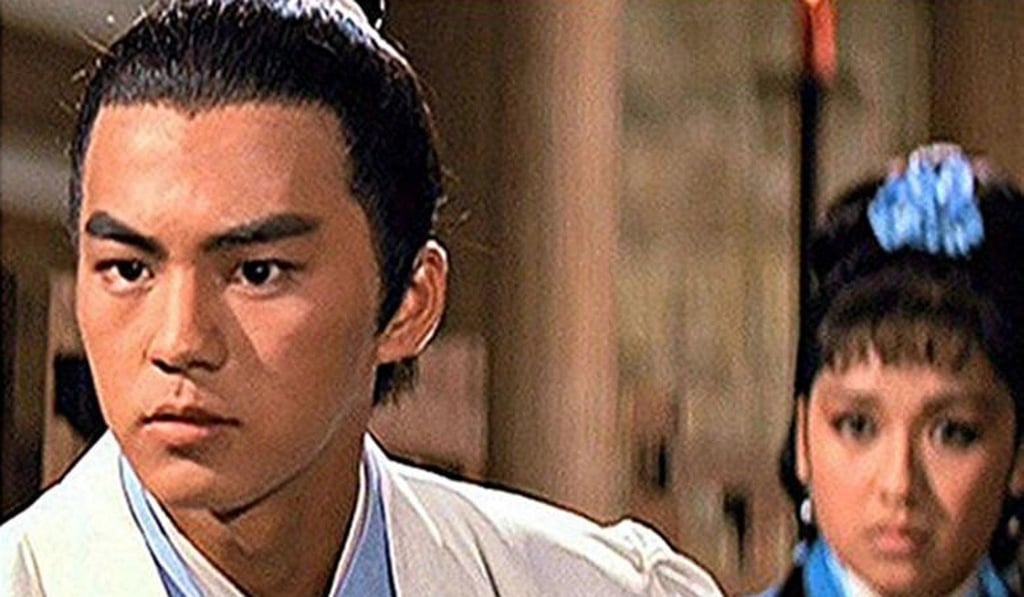
The two films feature skilled horsemen and horsewomen who love and care for their horses – martial arts heroes usually walk, leap, or fly – and towns which reflect the dusty settlements found in many Westerns. The heroes, played by David Chiang Da-wei in both movies, also take on some of the characteristics of Western characters.