The director who revolutionised martial arts movies by making his male characters warriors instead of weaklings
- Chang Cheh modernised wuxia films in the 1960s by making men, rather than women, the action heroes and adding violence and bloodshed to screenplays
- The male bonding and transcendental violence in later John Woo films can be traced back to Chang’s work; Woo was one of many directors influenced by his films

Chang Cheh is one of the most discussed filmmakers in Hong Kong, although abroad, he is only known to followers of martial arts films.
The prolific Chang directed over 90 films before his death, at age 79, in 2002. Although his output is patchy, he made some classics that became landmarks of Hong Kong cinema.
The director brought the wuxia genre up to date by adding violence and gore, and by shooting and editing the action sequences with more modern techniques.
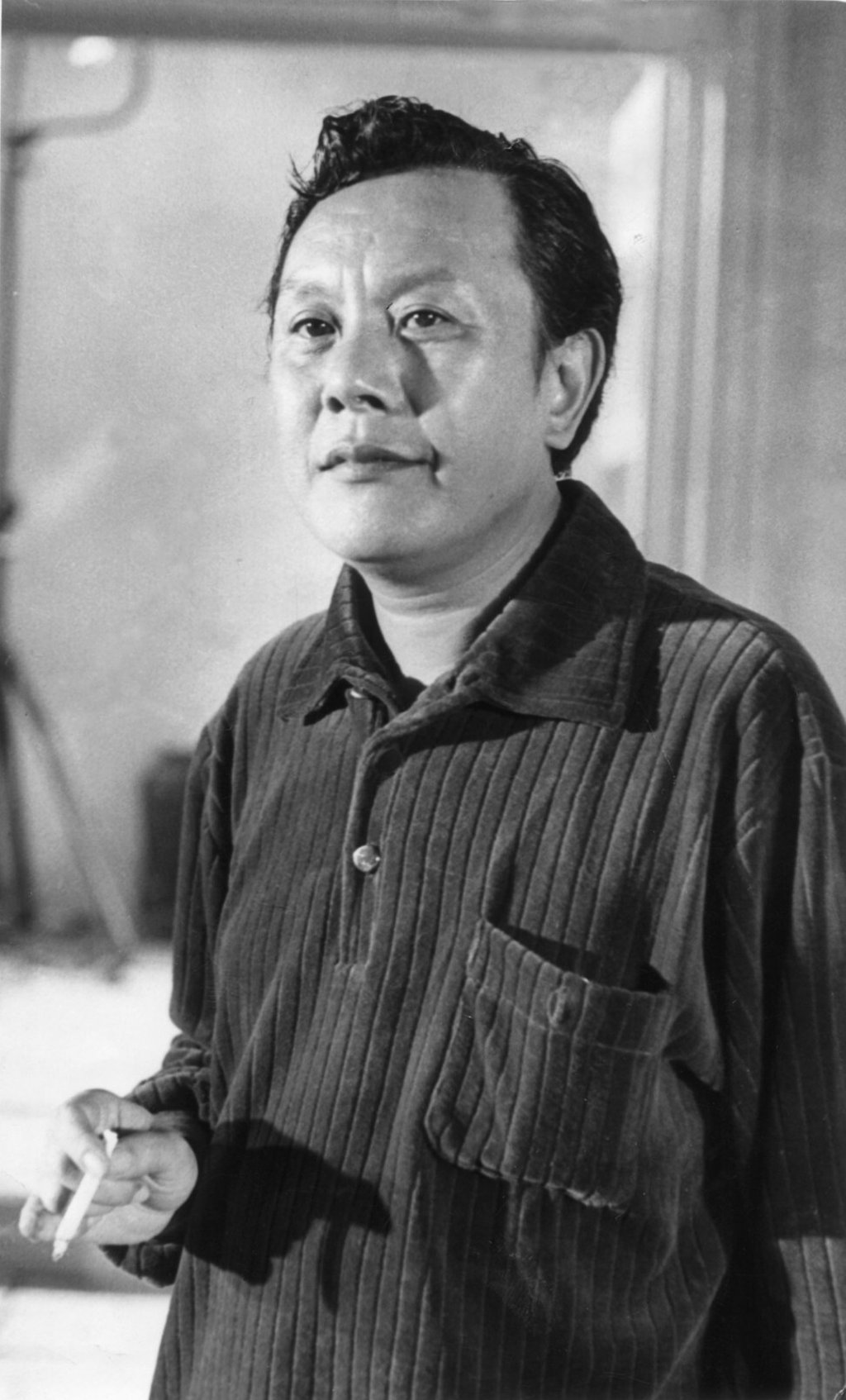
He also changed the gender balance of Hong Kong films, which in the 1950s and 1960s had favoured female heroes, with the male characters often weak.
Chang brought macho heroes to the fore, and made them rebellious and angry to suit the tenor of the times. When the wuxia genre faded in the 1970s, Chang started making kung fu films, and saw similar success there.