The martial arts choreographers who brought fight scenes to life in wuxia and kung fu films
- Early martial arts films were based on Beijing opera and northern styles of kung fu. Later, they were inspired by southern fighting styles
- The mid-60s saw the start of a golden age for choreographers like Lau Kar-leung and Tong Kai, who composed and directed fight scenes, and began being credited

Hong Kong martial arts films owe much of their success to martial arts choreographers. But their history is mainly undocumented.
A brief 1999 essay by the Hong Kong Film Archive’s Yu Mo-wan, called Martial Arts Directors in Hong Kong Cinema, set out the historical framework of the craft and provided some of the material for this story.
Beginnings in Shanghai
The first wuxia films were made in Shanghai, then known as “the Hollywood of the East”, in the 1920s. According to Stephen Teo’s all-encompassing book Chinese Martial Arts Cinema, 1922’s Vampire’s Prey is the earliest example of a film with wuxia characteristics, and The Burning of the Red Lotus Temple, released in Shanghai 1928 and directed by Zhang Shichuan, is generally considered to be the first of the genre as we would recognise it.
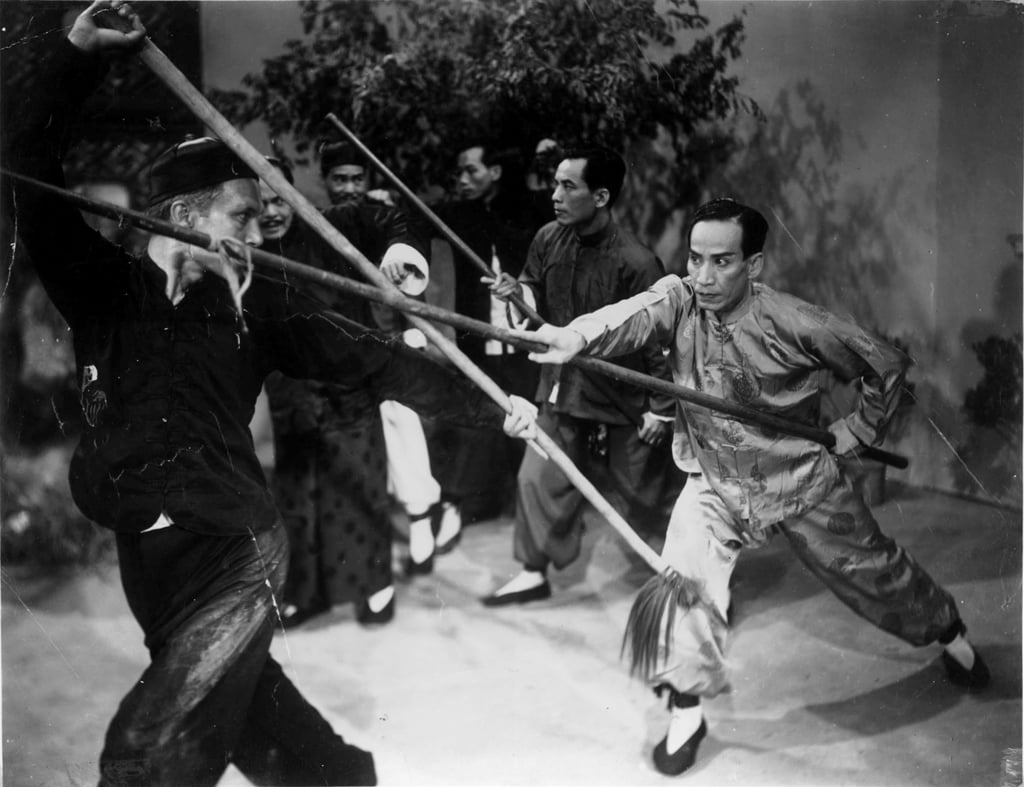
Martial arts choreographers were not generally credited in early Shanghai cinema, and they may not have been common, but Yu, in his essay, notes that Yam Yu-tin, who later worked in Hong Kong, was credited as martial arts director for a film called Red Butterfly in 1927.
Early wuxia films have not survived, and some were even destroyed by Chinese officials, who felt that their rebellious characters were a bad influence. They are said to have contained martial scenes that used the technique of wirework to give the impression of characters flying.