Before Bruce Lee films broke out of Chinatowns and went mainstream, America had already fallen in love with martial arts movies. When he died, their lustre faded
- First there was judo, then karate and kung fu. As interest in martial arts grew in America, so did the audience, black especially, for movies that featured them
- For a year kung fu films swept the box office, then too many crummy movies – and ‘Bruceploitation’ films after Bruce Lee’s death – dulled interest for a while

In a new and meticulously researched book, These Fists Break Bricks: How Kung Fu Movies Swept America and Changed the World, authors Grady Hendrix and Chris Poggiali detail the genre’s rise and influence in the US.
The Post secured an advance copy of the book and talked to Hendrix about the time Hong Kong ruled US screens.
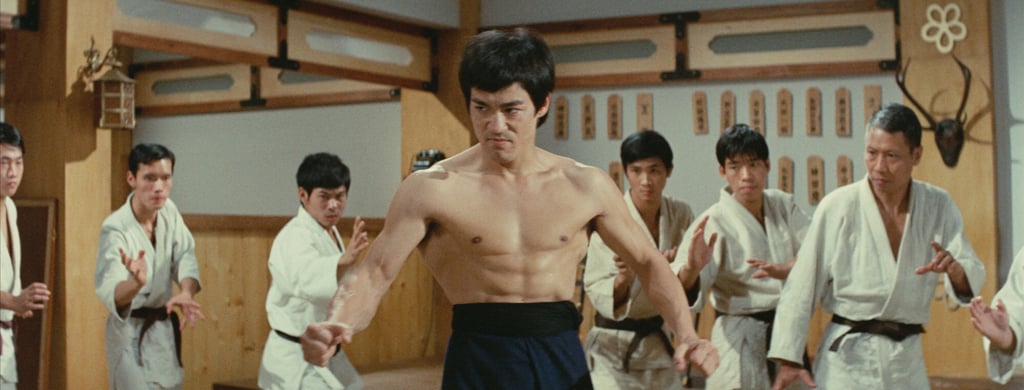
The book explains how martial arts were introduced into the US, and how that led to the success of kung fu films. How did that happen?
Judo was brought by immigrants from Japan, and was a huge craze at the beginning of the 20th century. Even President Teddy Roosevelt learned judo. Then World War II happened and the US put the Japanese in internment camps.
When judo came back after the war, it wasn’t as popular – the next big craze was Japanese karate.
People interested in karate were inspired to look for something new, and so kung fu took off in the late 1960s, along with taekwondo. It was the black community which embraced martial arts first, and a lot of black people went into the Chinatowns to see martial arts movies in the cinemas there. So the scene was set for martial arts films to break.