Advertisement
The special effects that enlivened early martial arts movies in Hong Kong, from flying swords and palm rays to men in monster suits
- Fight scenes weren’t authentic, the acting was stiff and the cameras never moved, but monsters and magic effects in 1950s wuxia films thrilled cinema-goers
- Magic effects such as palm rays were usually drawn directly onto the celluloid, while the appearance of levitation was shown by means of reversed film
4-MIN READ4-MIN

Wuxia films didn’t begin with Hong Kong’s Shaw Brothers studio, and there were kung fu films long before Bruce Lee.
In fact, Hong Kong’s first martial arts film, made in 1938, told the story of legendary Cantonese hero Fong Sai-yuk long before Jet Li Lianjie committed Fong’s adventures to film. Even Li’s indelible characterisation of the masterful Wong Fei-hung was predated by the long-running Wong Fei-hung film series starring Kwan Tak-hing.
Special effects, too, didn’t arrive with Tsui Hark’s Zu: Warriors from the Magic Mountain and Tsui and Ching Siu-tung’s A Chinese Ghost Story – effects utilising props, make-up and costumes had been around since the dawn of the genre.
Advertisement
Even Hong Kong’s wirework techniques, used to give the impression of long leaps or flying and beloved of martial arts choreographers such as Yuen Woo-ping, were invented long ago, in the moviemaking powerhouse of Shanghai in the 1920s.
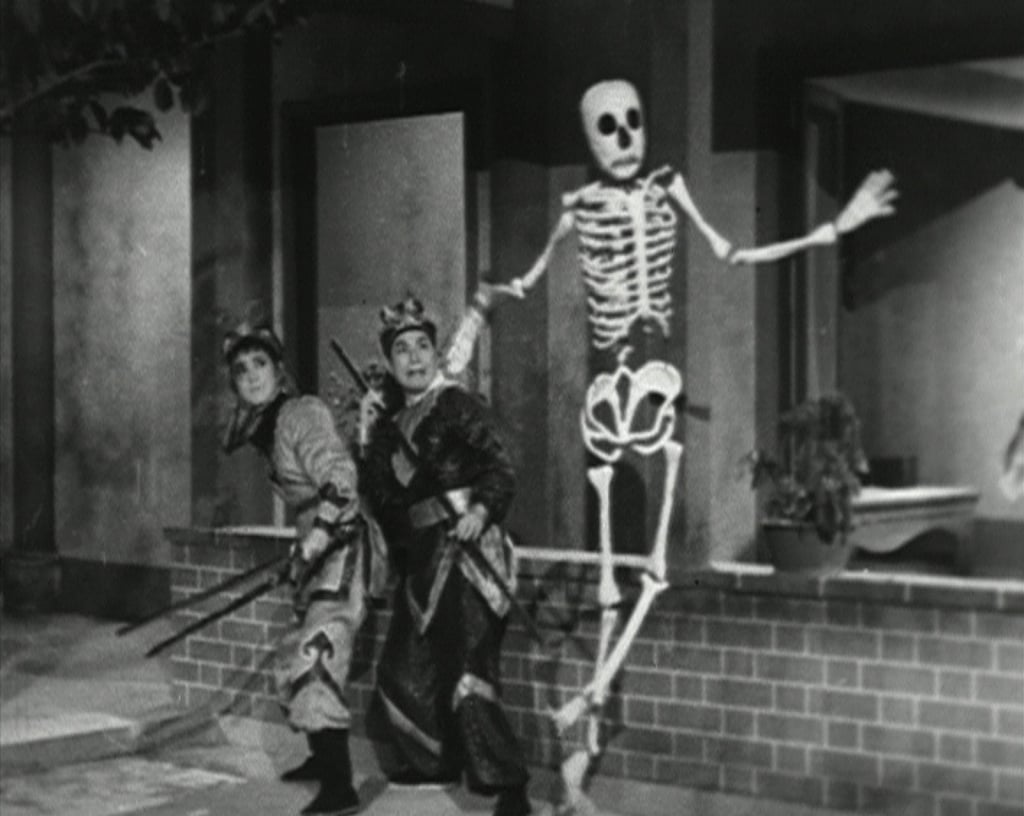
We recall some almost forgotten Hong Kong martial arts films and their use of special effects.
How it all began
Advertisement
Select Voice
Select Speed
1.00x