For Emmy-winning ‘Love, Death & Robots’ episode, dance proves it can be a powerful narrative tool
- For choreographer Sara Silkin, the ‘Jibaro’ episode in Season 3 of Netflix’s ‘Love, Death & Robots’ is more than just an animation – it’s a study of movement
- Megan Goldstein, who portrays the Golden Woman, says it challenged her as a dancer to show emotion on a micro level

As a woman adorned in golden coins and glimmering jewellery shrieks from the middle of a lake, knights collapse and turn against each other – all except Jibaro, who, as a deaf person, is unaffected by the destructive cries.
The woman slips in and out of the water in a seductive tango choreographed by Los Angeles-based artist Sara Silkin.
For Silkin, the “Jibaro” episode of Love, Death & Robots (Season 3 is streaming on Netflix) is more than just an animation – it’s a study of movement.
The episode, which won Emmys for short-form animated programme and individual achievement in animation at the 2022 Creative Arts Emmy Awards earlier this month, relies on movement to tell the story of love and betrayal between the siren and the knight.
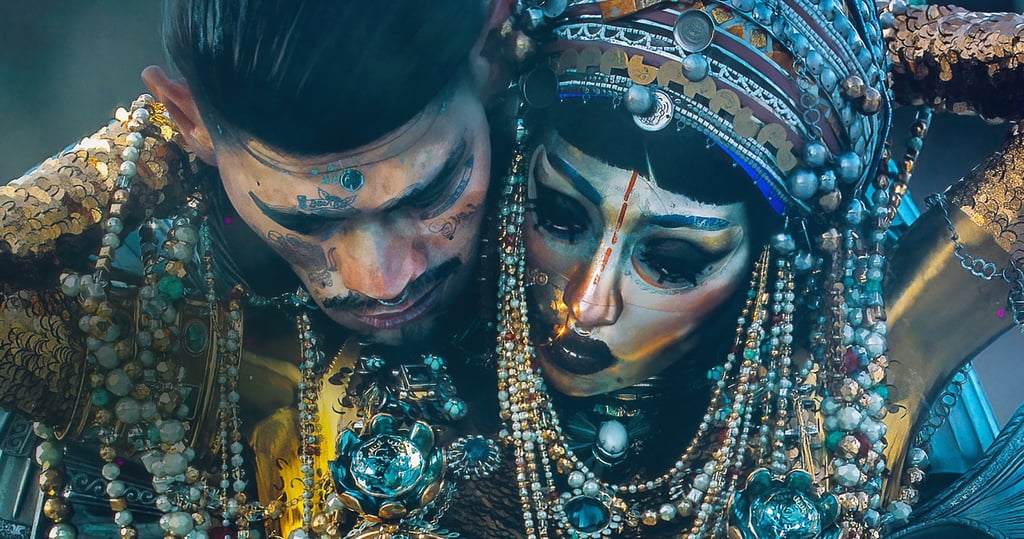
“Jibaro” provided Silkin with a platform to show how vital and detailed dance can be in film and TV, through its marriage with the show’s innovative animation.
“It’s important to show that dance tells the story and doesn’t only have to be in a musical number,” she says, explaining that dance can uphold an episodic narrative on its own when given the chance.