How The Last of Us zombie video game, a ‘love letter’ to America adapted for HBO series, pushed boundaries in its diversity and portrayal of grief
- The Last of Us wove together zombies and action in a riveting, traumatic story. A huge success, it spawned a sequel, a comic – and now a hit HBO TV series
- The game – ‘a love letter to what I love about’ the US, says its creator – questioned machismo, threw up moral quandaries and pushed players to extreme anguish

Sony’s landmark 2013 game The Last of Us did not make it easy on players. But the difficulty curve was more emotional than technical, for the game delivered the zombie genre at its most heady, grief-stricken and intimate.
How it started: grim.
Joel, a down-on-his-luck single dad, cannot catch a break. Then comes a viral outburst that has all of Texas going mad trying to avoid flesh eaters, which sends him and his daughter on the run. Full credits have not even rolled before the child does not make it – shot dead on government orders.
While there is no shortage of violence in the video game space, The Last of Us did it differently. Action was treated as something to be avoided; Joel’s trigger hand would wobble, a reluctant shot in a world in which each close kill would come with suffering.
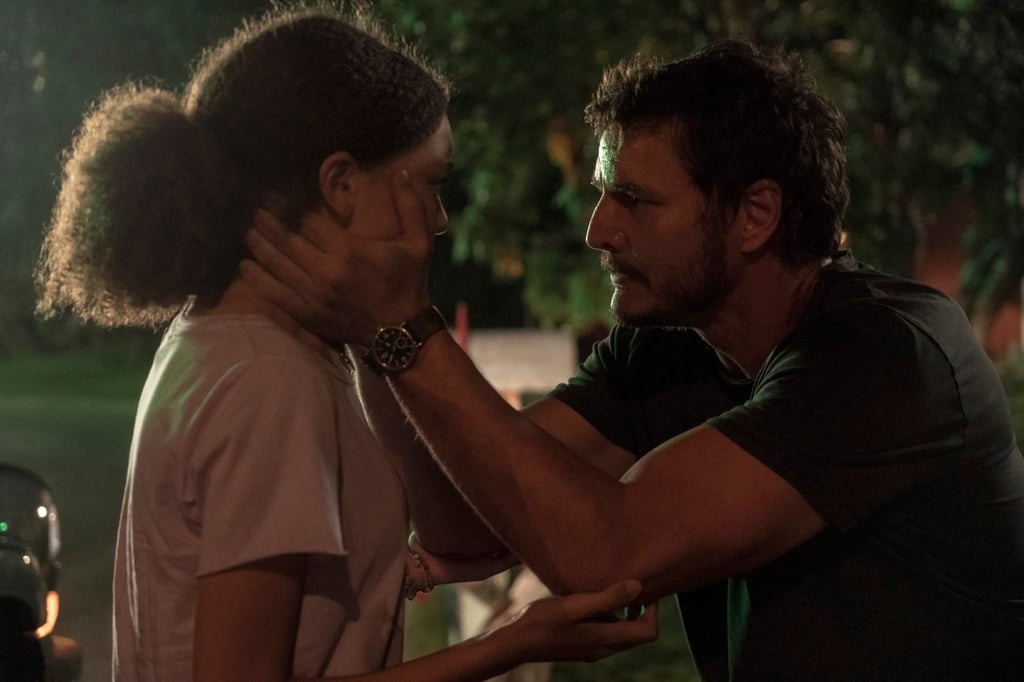
In a genre where action and story were often disconnected – serious cinematic scenes against cartoonish violence – The Last of Us wanted to keep it real. Camera angles were often closely cropped, framing enemies – and infected humans – not as obstacles but as tragedies.