How Hollywood film is preserved so classics like Star Wars and Christopher Nolan movies don’t become vinegar
- Thousands of Hollywood movies have been shot on acetate film, but it contains acetic acid, also found in vinegar, and degrades quickly if not cared for properly
- Preservation experts talk about how they maintain over a million reels, including some of the ‘greatest films of all time’, in secret units near Los Angeles

Reels of film and the Hollywood stars who fill them share one common enemy: ageing. But while an actor can go under the knife or get a bit of filler in an effort to stay young, it is a one-way street for film, which eventually starts to break down into its original – rather prosaic – ingredients.
“Film base is actually wood pulp and acetic acid in its simplest form,” says Tim Knapp of California-based film preservation specialists Pro-Tek Vaults.
“Acetic acid over time produces what is called ‘vinegar syndrome’ which degrades the base of the film … and prevents it from being used.”
And no film star wants to end up like that.
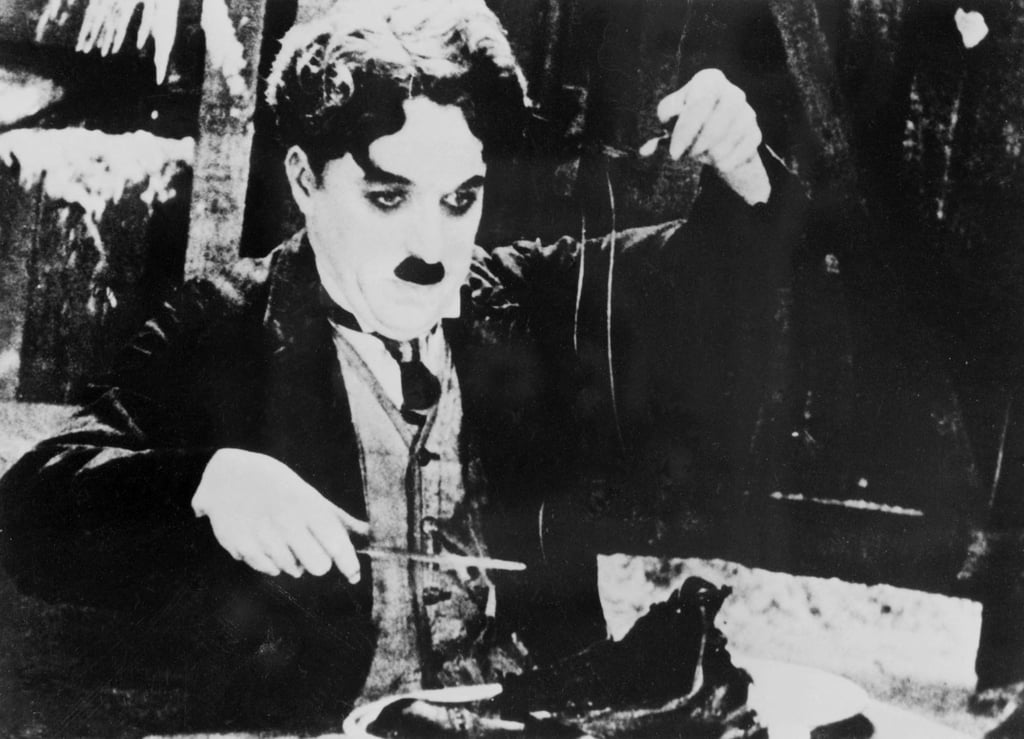
Movie-making has gone through a number of evolutions as directors sought a way to immortalise their leading men and women.