
Senpai, bingsu, ramyeon: new Korean and Japanese words in the Oxford English Dictionary
The latest additions to the Oxford English Dictionary include many words and phrases from popular Korean and Japanese culture

Japan and South Korea have been drumming up attention on the world stage – and not just with their recent Nara summit on security and economic cooperation, which included their leaders engaging in a drumstick diplomacy session of K-pop hits.
They have also been in the news for Japanese and Korean words that were recently added to the Oxford English Dictionary (OED), highlighting the ever-increasing impact of these cultures on the English language.
The new words included in OED’s latest update in December 2025 add to the already substantial numbers of entries of Japanese origin (more than 580) and the more recent but steadily growing cohort of those from Korea (54).
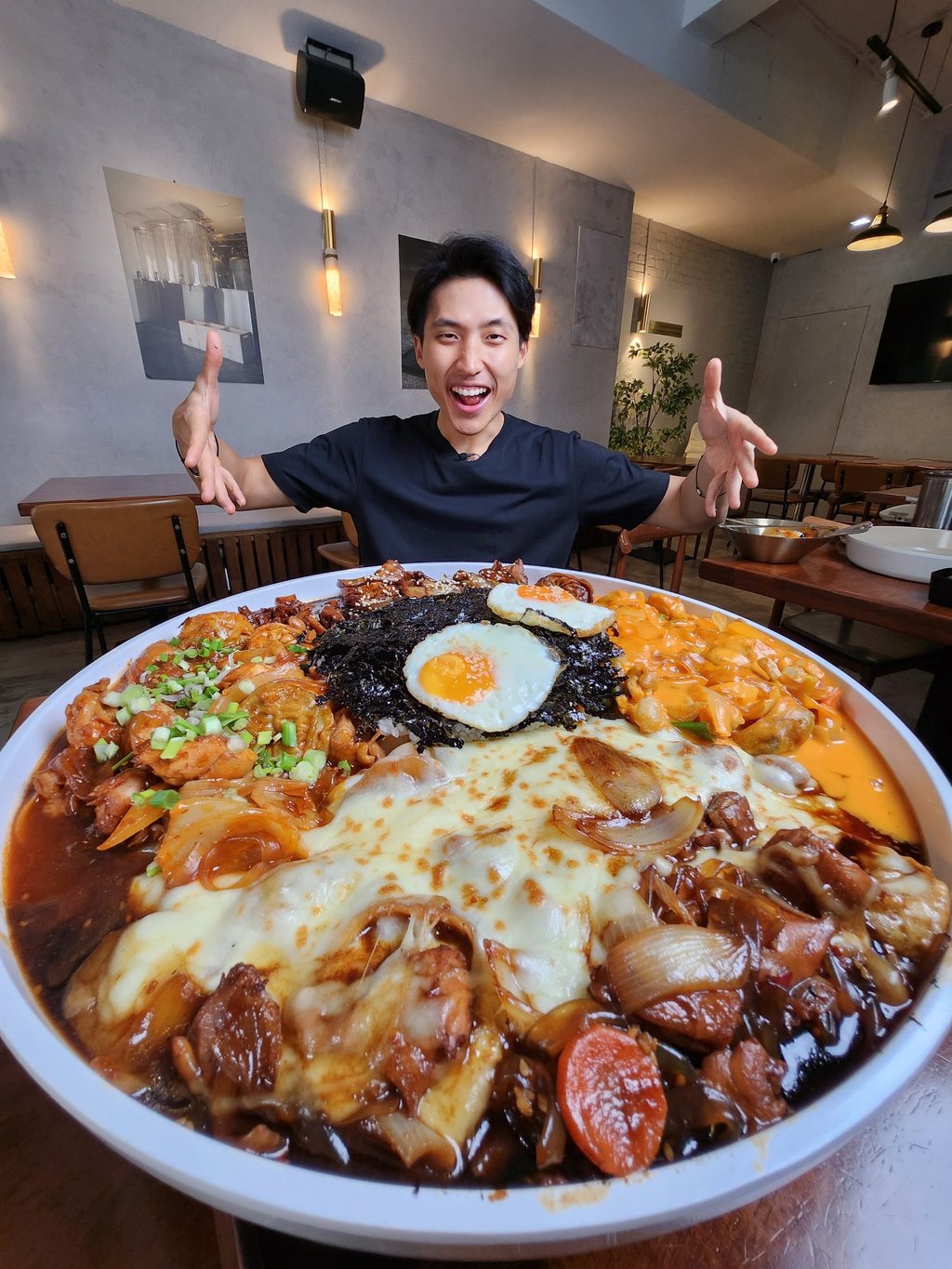
The latest set of OED additions were propelled in no small part by the continuing global cultural appeal that Japan has long held, and the hallyu (or the “Korean Wave”; both terms already in the OED since 2021) that Korea is continuing to ride – and which has prompted previous OED entries such as the “K-” prefix, K-drama and foods such as bulgogi, galbi, kimbap and mukbang.
The recent burgeoning of manga and anime beyond niche interests into global mainstream phenomena translated for local markets has prompted greater familiarity and embracing of several words.
Yokai, for example – various spirits or supernatural beings in Japanese mythology and folklore – have come to wider notice through anime, video games and digital art.