Why Danny Lee’s best police movie isn’t The Killer, but his own Law with Two Phases
Danny Lee’s nuanced role in Law with Two Phases redefined Hong Kong police dramas, showcasing gritty realism and complex character arcs

For decades, the quintessential image of a Hong Kong big-screen detective was defined by a familiar face sporting signature braces and a gun holster: Danny Lee Sau-yin.
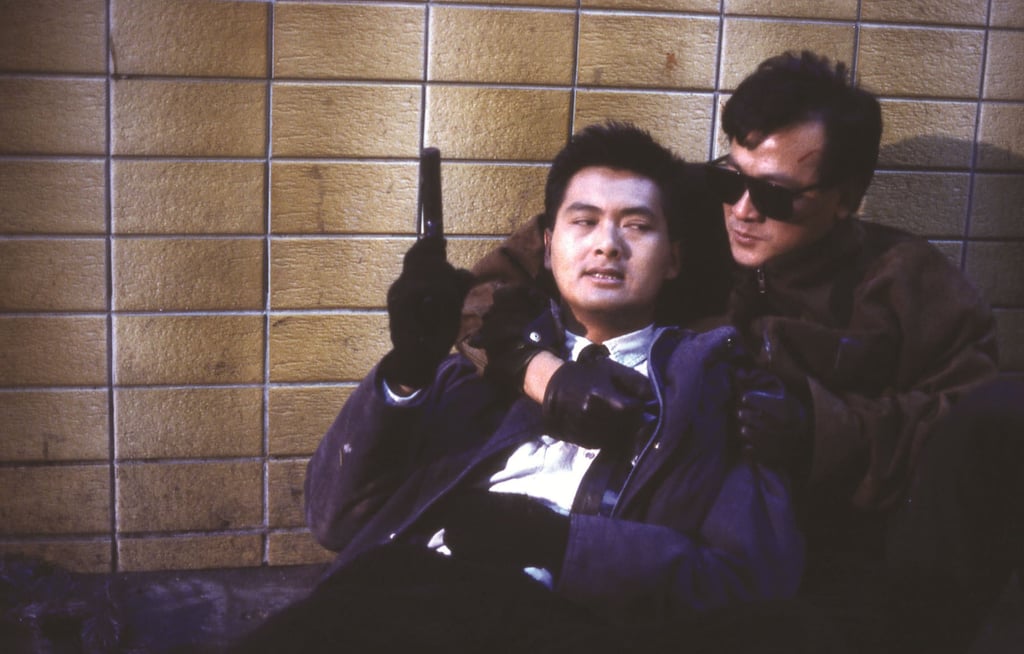
Yet, Lee put in his most nuanced performance in a lesser-seen project: 1984’s Law with Two Phases (or Law with Two Faces), which he also co-wrote and directed. Playing a conflicted detective trying desperately to do the right thing, Lee was named best actor at both the 1984 Golden Horse Awards in Taiwan and the 1985 Hong Kong Film Awards.
“For director, co-writer and star Danny Lee, it’s virtually a one-man show, and he pulls it off well,” noted critic Terry Boyce in a South China Morning Post review at the time of its release.
It is often said that Lee gravitated towards law enforcement roles because he harboured a real-life desire to join the Royal Hong Kong Police Force.
From boyhood dreams to the director’s chair
Born in Shanghai in 1952, Lee moved to Hong Kong as a young child. Growing up in a squatter settlement in the Kwun Tong district, he was deeply impressed by a local patrolman.