How did Peter Chan’s pioneering studio UFO redefine 1990s Hong Kong cinema without action?
Peter Chan’s studio revolutionised Hong Kong cinema, scoring numerous hits during its short life, such as Comrades, Almost a Love Story

The United Filmmakers Organisation (UFO) was formed by Chan, Eric Tsang Chi-wai and Claudie Chung Chun in 1992 with a specific purpose: to make quality commercial films that did not rely on action and reflected the lives of young workers from Hong Kong’s up-and-coming urban middle class.
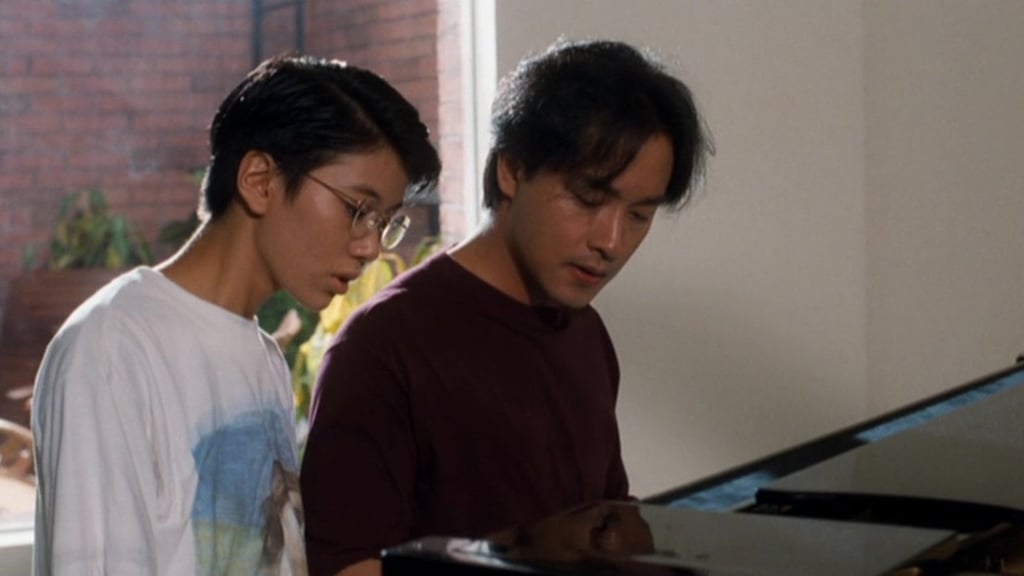
UFO films offered a quality experience to viewers – they were capably scripted, well acted, beautifully photographed and elegantly edited. They also accurately represented the lives of their yuppie target audience without didacticism or condescension.
Filling a gap in the market
Chan recognised a market for quality contemporary commercial dramas outside the action genre when Yesteryou, Yesterme, Yesterday (1993), a Wonder Years-style movie he produced, was shelved by distributors because it lacked action. He subsequently founded UFO to cater to this demographic.
Importantly, UFO was not conceived as an art house film studio but rather as a mid-sized mainstream outfit that was “not against commercial films”, Chan told the South China Morning Post in 1993.
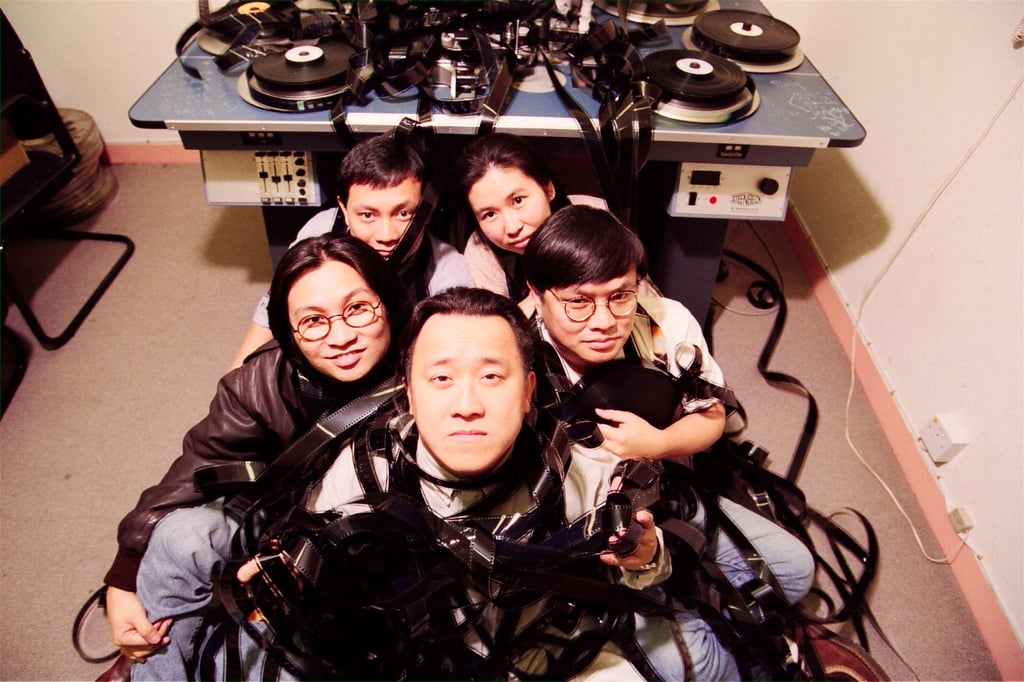
Chan, already an experienced filmmaker, took on a producer-director role; Tsang used his contacts and expertise as an executive producer, while Chung handled production and distribution. They attracted talents like director Jacob Cheung Chi-leung, then riding high with the social-realist drama Cageman (1992), writer James Yuen Sai-sang and the multi-hyphenate Lee Chi-ngai.