How critical thinking skills can prepare your child for the wider world

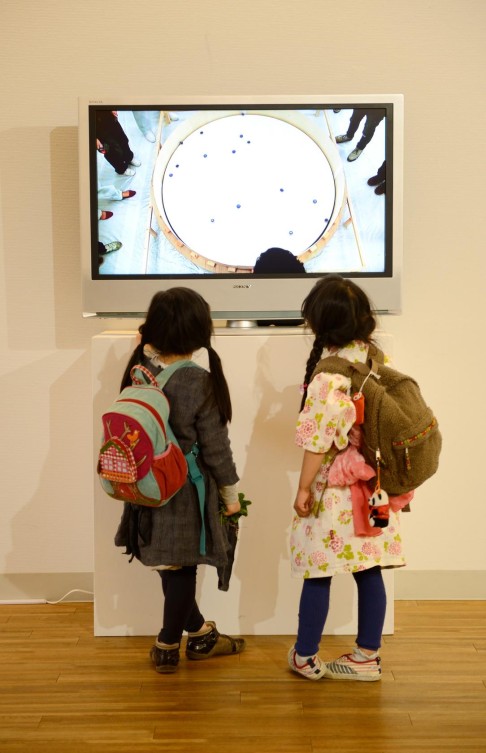
Probably the best way of understanding critical thinking skills is to start with the idea of not taking things at face value. We are in a period of rapid change, bombarded with vast quantities of data and critical thinking skills are vital as they help us sift through information and produce intelligent responses.
I teach students from both local and international schools and have noticed the former are reluctant to challenge an idea whereas the latter are encouraged to engage with teachers and other students. Culturally, students from local schools may feel challenging a teacher represents a lack of respect and it is my task to clarify that the focus is interrogating the idea, not the person.
When we talk about critical thinking skills in relation to reading, we are looking for analysis that goes beyond the surface of the narrative. For example, you might ask a child for a description of Winnie the Pooh and receive the following two responses: "a story about a bear" and "a story which talks about the relationship between a boy and his toy bear". The latter indicates that the child is thinking past the text and is evaluating one of the themes explored in the books.
You can teach this skill gradually and from a very young age. Start with asking children to predict what will happen next when you are reading story books or interact with the pictures. ( Hooray for fish! by Lucy Cousins is perfect to start with. The illustrations show fish of all shapes and sizes and you can start asking children what each fish reminds them of.) Move on to asking your son about why he thinks characters are acting in a particular way and what will happen next. Continue this process so your son starts becoming used to discussing motivations. One fun activity is to pretend to be a reporter interviewing a character ("So tell me Harry, how did you feel when you first received the letter from Hogwarts?")
You can extend this approach to reading the newspaper and help your son to gain insight into unfolding stories. If he can start to relate what he reads to other areas of his learning, you know that you have made amazing progress.