Why all Hong Kong schools should push nature-based learning
Exposure to the outdoors and hands-on experiences with nature are vital for children’s well-being and happiness and should be encouraged

My son is very physical and likes doing things outdoors. Last year his class set up and looked after a school garden, which he loved. But in Year 4 the project seems to have come to an end, and he misses it. Shouldn’t all schools give children these types of experiences as part of the curriculum?
Research shows that being in touch with nature boosts mental well-being and helps decrease stress levels. Sadly many children in Hong Kong are cooped up in flats much of the time. Some parents make an effort to take their children to the countryside while others are too busy or it simply never occurs to them.
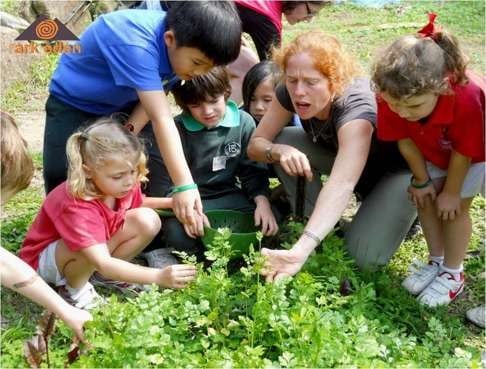
Most school curriculums include nature-related studies such as learning about plant growth and food, including how crops get from field to table as well as other related issues such as nutrition, the effects of pesticides on human health and the challenges of feeding a huge population. However this type of learning can still be very classroom-based and having a school garden allows a more hands-on approach and, importantly, regular contact with plants. Children who love outdoors, like your son, particularly benefit from this. Also, young children typically explore the five senses at school and the sensory nature of gardening is excellent for this too.
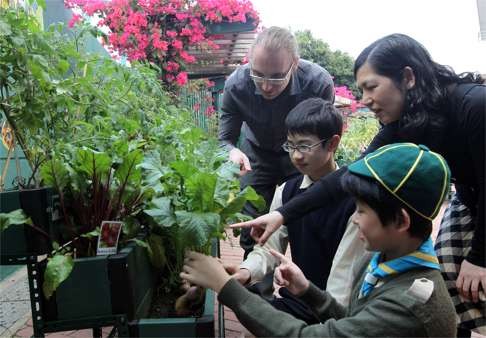
These days many children think that foodcomes from supermarkets and rarely think deeper than this. Lack of exposure to any type of food production means they don’t consider the link between what they eat and where the food comes from.