Why no nursery rhymes at Hong Kong kindergarten? They’re a great way of learning to read and spell – and have some fun
Nursery rhymes are an effective way for children to develop early phonic skills. If their school is not teaching them, then do it at home with your child

A Hong Kong parent writes: We often sing nursery rhymes with our daughter at home, but she doesn’t seem to sing any at her international kindergarten. I presumed this was an important and natural part of a young child’s education.
According to research, many young children today cannot recite famous nursery rhymes. Parents are now more likely to see them as old-fashioned and, as a result, are no longer singing them with their children.
A leading UK school inspector recently warned that this growing trend is leaving young children poorly prepared for starting kindergarten and school. He describes learning and singing nursery rhymes by heart as a crucial part of their language development.
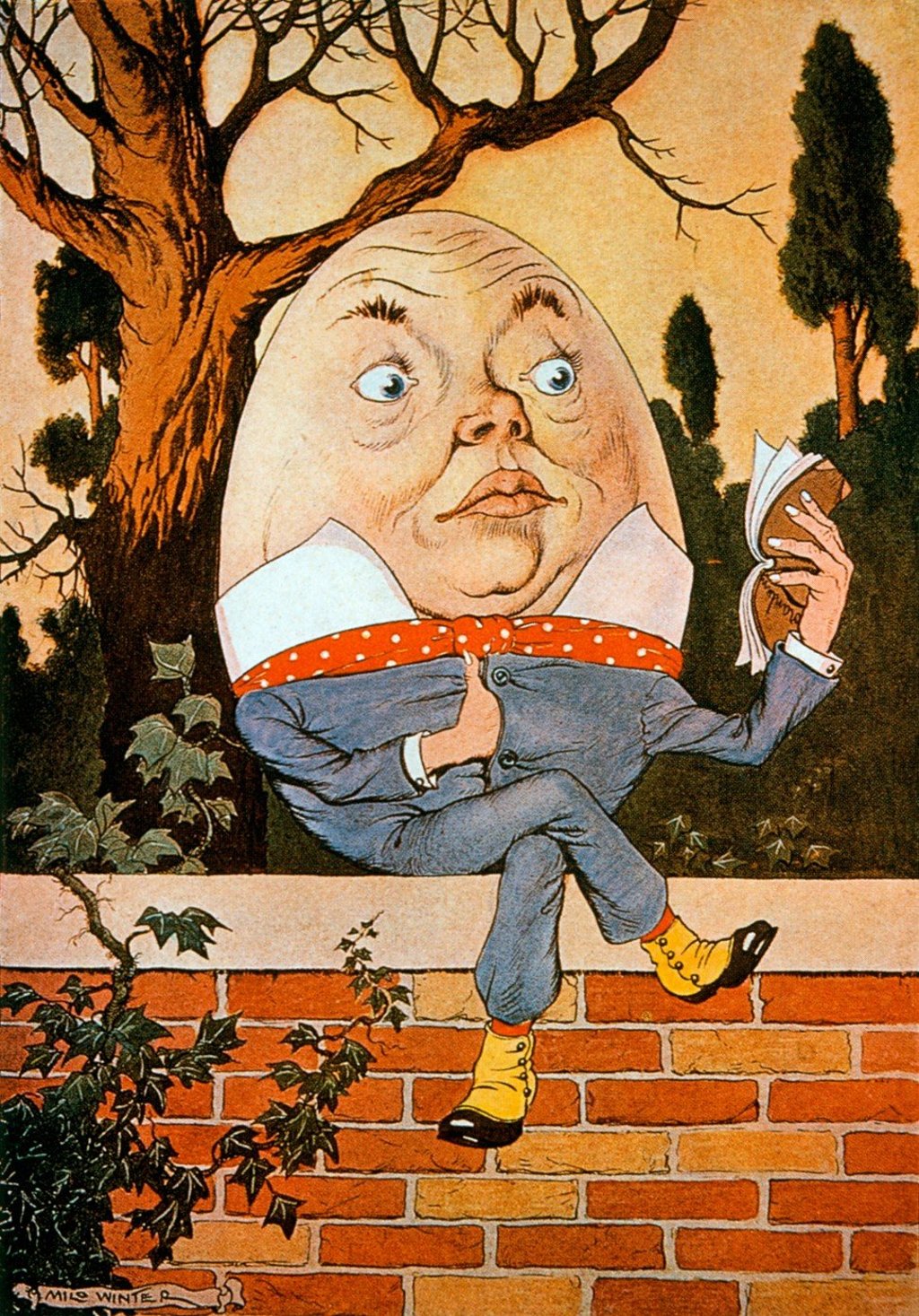
You are right to suggest that nursery rhymes are certainly an important part of a young child’s education, and that these days this is not always recognised in kindergartens and schools. Research by literacy experts shows that four-year-old children who know eight nursery rhymes from memory are usually among the best spellers and readers by the time they reach their third year at school.
Nursery rhymes are an effective way of developing early phonic skills, enabling children to practise experimenting with volume and pitch, and embedding an understanding of language rhythm that stories alone do not necessarily provide.