My daughter has an unkind, controlling friend. Should I interfere, asks parent
- Children need to sort out their relationships without parents getting involved
- If the relationship involves bullying, then parents should contact the school

My Year Five daughter has a best friend at school who is unkind and controlling, a Hong Kong parent writes. She is also a bad influence on my daughter’s behaviour and distracts her in class. My daughter’s mood goes up and down, depending on whether her friend treats her nicely. I want to discourage her from spending time with this so-called friend. Is that interfering too much?
“Helicopter parenting” is a term we hear a lot nowadays and its invasiveness is not always helpful to children. I commend you for considering your options before intervening in your daughter’s social life. It is so tempting for parents to rush in and try to “fix” a social situation for their child.
Although it is usually with the very best intentions, interfering directly often makes things worse. Not only that: parent politics playing out at the school gates can also get complicated and uncomfortable when school friends fall out and parents get involved.
Unfortunately, children can be very mean. The social lives of upper primary girls particularly are a minefield. Time and time again I’ve witnessed girls being cliquey, their exclusivity often resulting in a form of silent bullying. Through body language and looks, these groups can be skilful at hurting each other as well as others in ways that can be too subtle for busy teachers to detect.
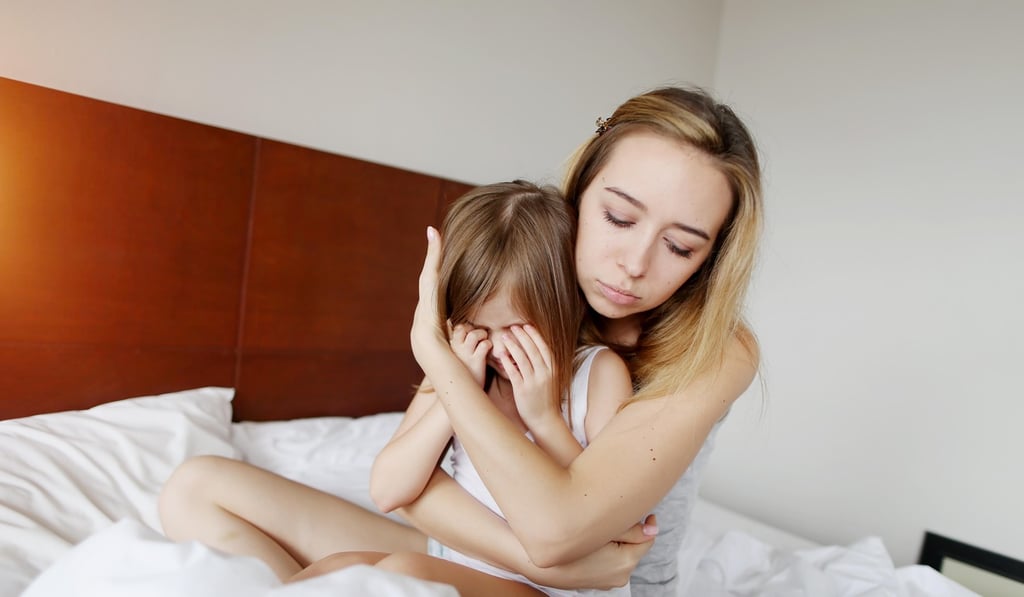
All parents know that the quality of their child’s friendships makes all the difference to their happiness at school. Each child has their own friendship style: some like being part of a large group, while others prefer the intimacy of a best friend. Others thrive on social interactions and some enjoy quiet, alone time. Who is to say this is right or wrong, or that we should be worried about either? However, in reality we do.