Should my son repeat a year at school? He is the youngest in class and struggling, asks parent
- Research has shown that children born towards the end of the school year can be at a huge disadvantage, a situation described as ‘a calendar conspiracy’
- It is better for a child to repeat a year early in their school career to minimise any social stigma

I’m wondering whether my Year One son should repeat a year at school, a Hong Kong parent writes. He was born in December, making him the youngest in his class. He finds the work hard and hasn’t really made any friends. He was excited about starting school, but now he says he doesn’t like it and he always seems to be disciplined by teachers. It’s getting harder to get him to go to school.
The situation you describe has been called an accident of circumstance, or even “a calendar conspiracy”.
Being born towards the end of the school year can be a huge disadvantage for children, especially those who are immature, less confident or struggle academically.
The evidence supporting this has been available for decades. Children born early in the school year benefit not only by achieving better academic performance at school but also increased social and emotional well-being. By the age of eight, those pupils born in the last quarter of the school year generally have a lower perception of their academic competence. Data from 17 countries also shows that these children were more likely to be bullied.
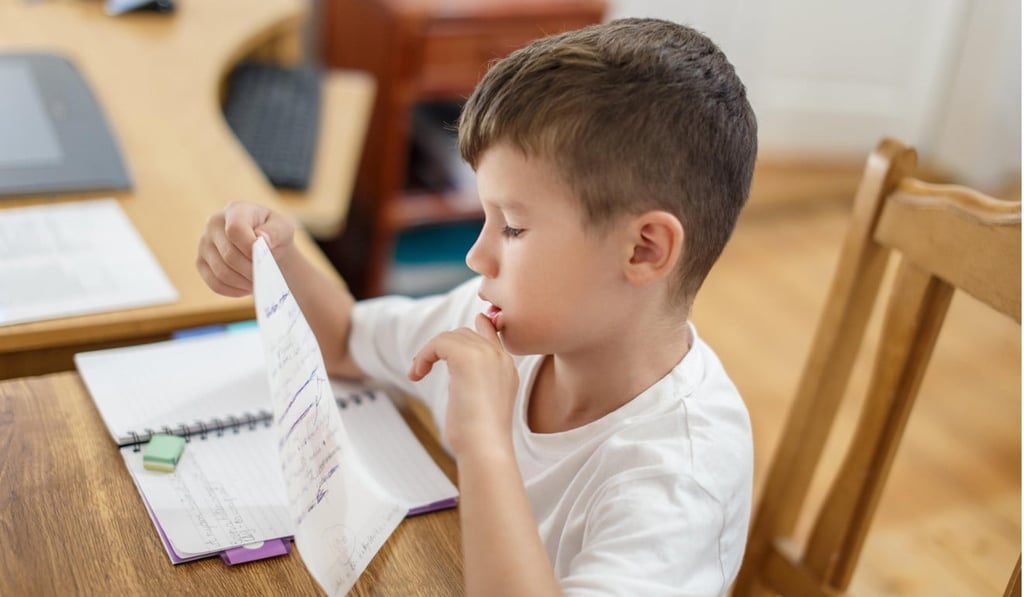
How children perceive themselves from the beginning of their schooling is crucial to their long-term success. At five years old the developmental gap of almost a year between the oldest and youngest students in a class can lead to younger pupils feeling like a failure, even by the end of Year One. Some international schools in Hong Kong have the end of December rather than August as the age cut-off point, which means that children are even younger than in many countries when starting their education. This further highlights the importance of school readiness.
The oldest children in any year group have had an extra year of life experience by the time they start school, giving them more time to build language, dexterity and social skills. In turn this gives them a better chance of being praised by teachers and placed in top reading, writing and maths groups, and therefore building confidence and self-esteem right from the word go. Statistics show that these students continue to flourish and this initial “lead” often carries through to later life, examination results and wage-earning capacity.