Primary school maths: streaming for high-ability learners – pros, cons and alternatives
- Children can be streamed, grouped for ability within the classroom, or taught in mixed-ability classes
- Streaming them at a young age, especially for a hard subject such as maths, can have negative effects on slower learners

My Year 5 daughter is very good at maths, but she’s finding it boring this year and says it’s too easy, a Hong Kong parent writes. I understand that there are children with different abilities in her class but why doesn’t the school put pupils in streams so the good mathematicians can have more challenging work?
Whatever the academic grouping system a school has in place, whether it be streaming, ability grouping within a class or mixed-ability teaching, it is imperative that all children are being challenged at an appropriate level. Some studies show that high-ability pupils can become demotivated and frustrated when they are grouped with lower-ability students. On the other hand, if less able children are always grouped together they never have the advantage of working with good academic role models, and this can also be demoralising.
Streaming by ability is common in secondary schools and it is easier to organise as lessons are separate entities, but there are differing, and sometimes contentious, views about streaming students at primary level. Teaching approaches are often dictated by the philosophy and pedagogy of the school, and also the human resources available.
Some primary schools do successfully stream pupils across year groups for core subjects like maths. However, there are challenges; for example, students’ abilities differ greatly in different areas of the mathematical curriculum. Some may be strong at computation but weak at problem solving. Others may be confident with data handling but struggle with telling the time. Therefore, it is important that frequent formative and summative assessments are carried out in order for teachers to assess and check understanding in each area.
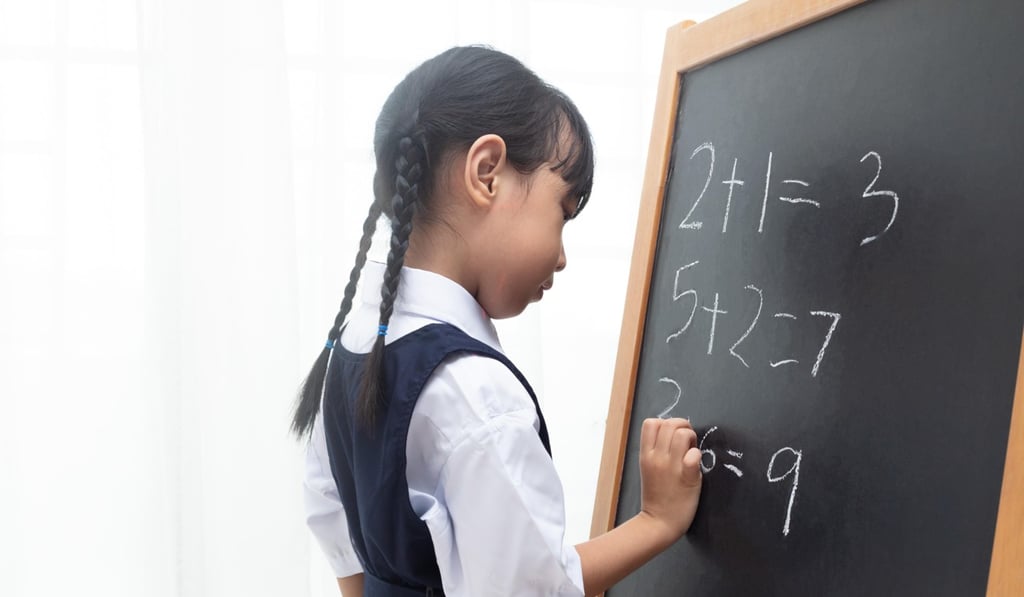
Grouping students by ability within their own class can have several advantages. Perhaps most importantly, it allows for flexible and fluid grouping. Main-class teachers knows their pupils better than other teachers in the school and can consequently change groupings accordingly, catering for different abilities by differentiating activities.
The lesson might, for example, consist of the general introduction of a maths concept followed by pupils practising skills and working on problems at their own ability level.