How to help dogs and cats get over separation anxiety as their owners return to work
- The transition back into the physical office can be daunting enough for people, but it may also pose a range of psychological challenges for their dogs and cats
- Make changes in leaving the home gradual. First, leave for a walk around the block, then move up to 15 minutes away, and increase the amount of time

As she typed on a laptop computer on the dining room table last month, wrapping up some work for her job, Yvonne Grobe could feel the weight of a very serious stare burning into her from the next room.
Working in her current office space in San Carlos, California during the Covid-19 pandemic, Grobe slowly turned her head to the left. There, the family’s energetic 3 1/2-year-old dog, Marcus, was up on the back of the couch – his head tilted, tongue out and panting, big brown eyes focused on Grobe, tail wagging furiously.
Grobe has been working from home for more than a year, and during that time, the 28-pound (12.7kg) grey and white French bulldog/Boston terrier has grown very close to her. Grobe says that Marcus can be cuddling with her husband or playing with her two daughters, but as soon as she enters the room, the dog heads her way.
“I went from somebody not necessarily wanting a dog to saying that he’s the best thing that’s come into our lives,” Grobe says. “He just loves me, and I love him. He completes our family.” Grobe’s husband is an electrician, so he has worked all through the pandemic, going to job sites. Her daughters, ages 10 and 12, were home part of the time during the past school year.
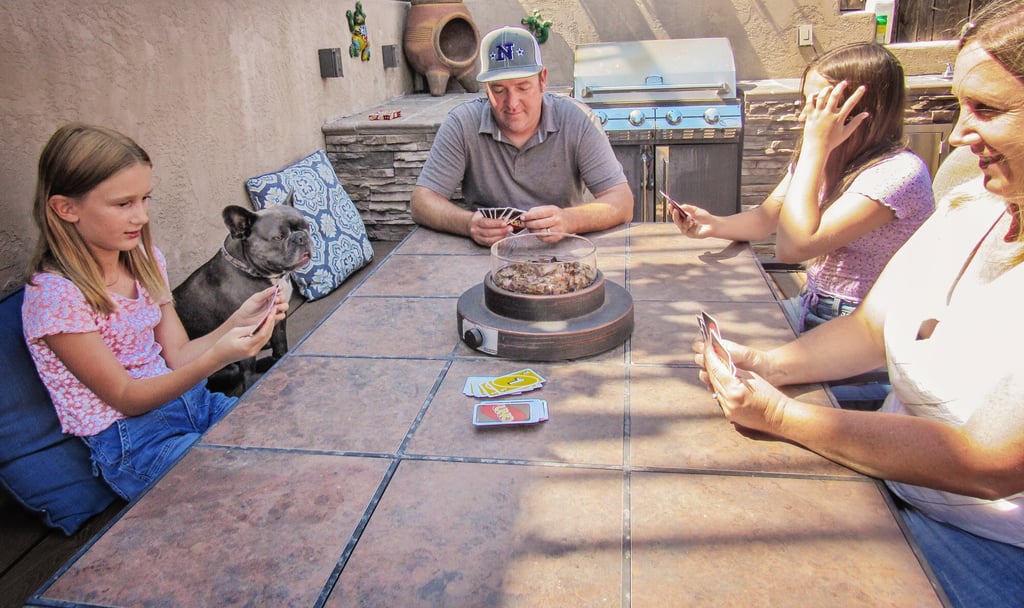
So with Grobe at home, Marcus has become quite accustomed to her daily routine – morning coffee, online meetings, short doggy breaks outside to pee, play and to say hello to neighbours. Then there’s lunch, a quick walk and, of course, more attempts at eye contact when possible.