Japan’s ikebana flower arranging tradition back in vogue among America’s fashion elite
An interpretation of the meticulous Japanese floral tradition is growing in popularity in the West thanks to the creative elite, who are striving to find balance and spiritual awareness through this hands-on art form

Ikebana isn’t exactly new. The ancient Japanese system of flower arranging can be traced back thousands of years to around the time that China introduced Buddhism to the island nation in the 6th century. Religious followers left floral offerings at temple altars and ancestral shrines as tokens of gratitude and respect.
New York fashion-friendly florists share their skills in Hong Kong floral workshops
Traditionally, lotus buds were selected for this purpose but, with the Indian blossom harder to come by in east Asia, Japanese Buddhists adapted the custom using other local flowers and foliage that were in season.
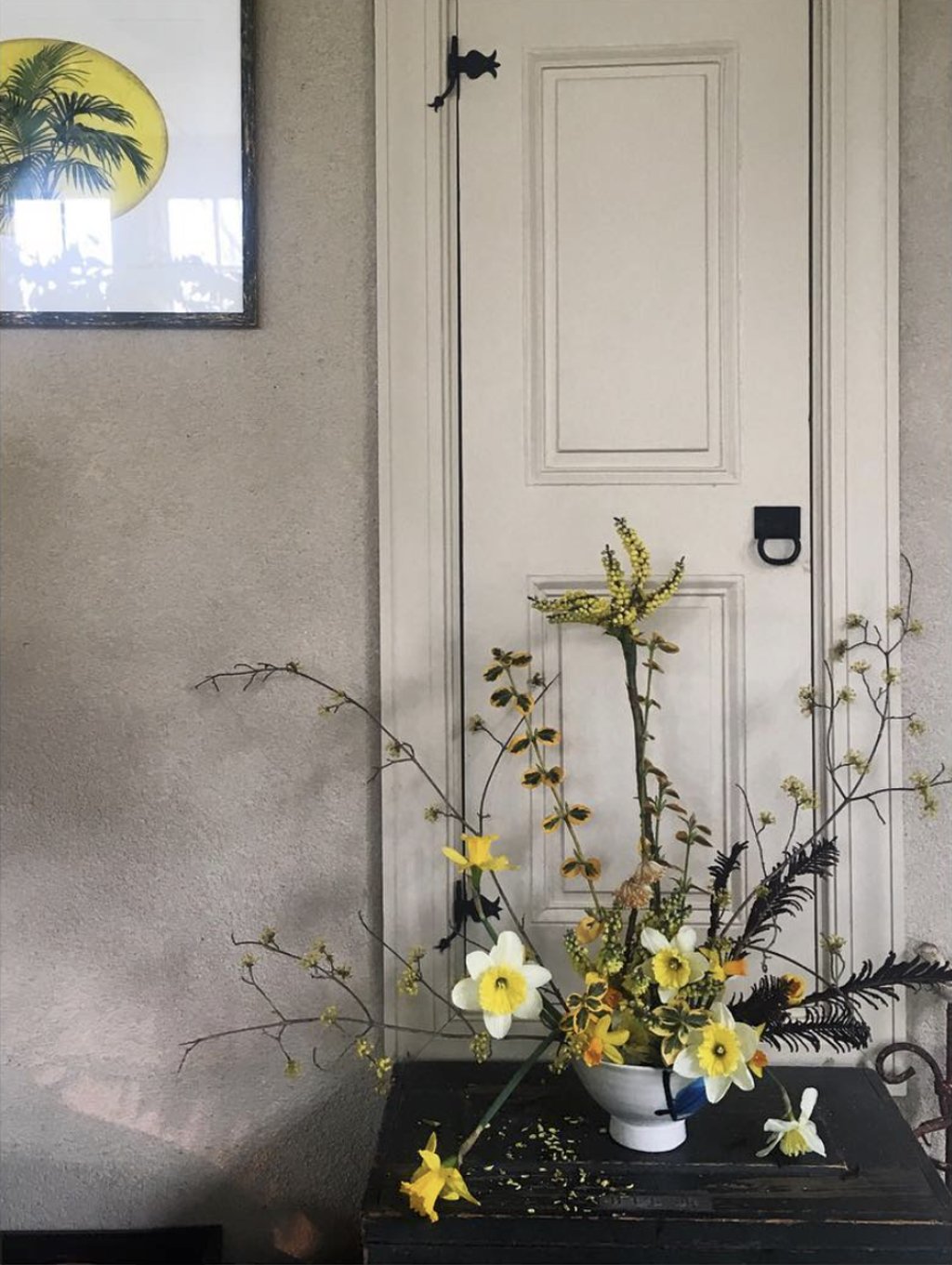
Fast forward to the 16th century and Senno Ikenobo – a celebrated master of ceremonial floristry – formalised ikebana in series of highly detailed manuscripts called kadensho, which were passed on to his disciples. At the most basic level,ikebana can be defined as an exercise in balance with the aim of creating spiritual awareness in the process.
Today, a modern iteration of the methodical art form has found a new home among creative power players in New York. Filling the gap left by the elaborate, heavy groupings of Flemish floral masters’ blooms that dominated the scene from 2015, minimal arrangements are more in demand than ever before.
Although her work (which is regularly featured in the pages of glossy monthly magazines and stores like Ulla Johnson) doesn’t officially fall within the guidelines of kadensho, Patterson’s use of singular stems and negative space is a clever interpretation of its teachings.
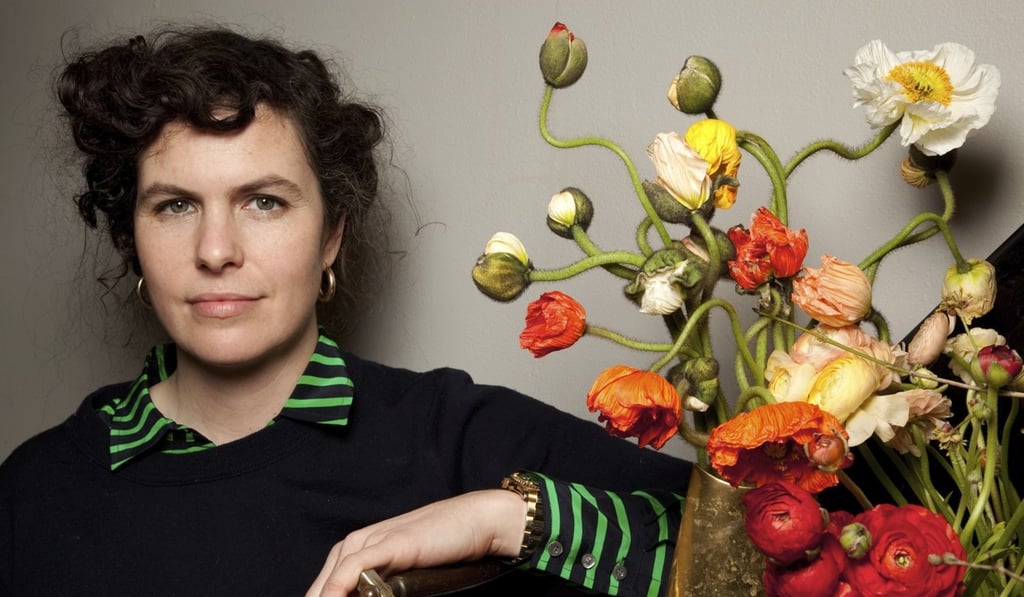
An artist and sculptor by training, Emily Thompson is another American florist pushing the old-world style in a new direction. “Ikebana has been part of my consciousness since I began to work with flowers,” she says from her appointment-only studio in downtown Manhattan’s historic Seaport neighbourhood.