Anti-pollution creams, cleansers, serums target Chinese millennials who want to protect their skin from harsh city environments – but do they work?
While brands are eager to serve demand from China’s young urban professionals to protect their skin, a lack of official standards, and wide-ranging claims, make it difficult to know which products are effective

It wasn’t long after moving to Beijing from the north of France that Michel Alarcon started using a face mask to protect his skin from the city’s air pollution.
But the mask isn’t quite what one might expect: it’s eco-friendly and vegan, composed of mud and paired once or twice weekly with a baking soda scrub.
“The pollution definitely changed my skincare routine,” he says, explaining how his skin took a turn for the worse and looked more tired the more time he spent in the Beijing. “Now after washing my face, I splash on some pure water, rose water or marine hyaluronics before applying a basic but efficient moisturiser.”
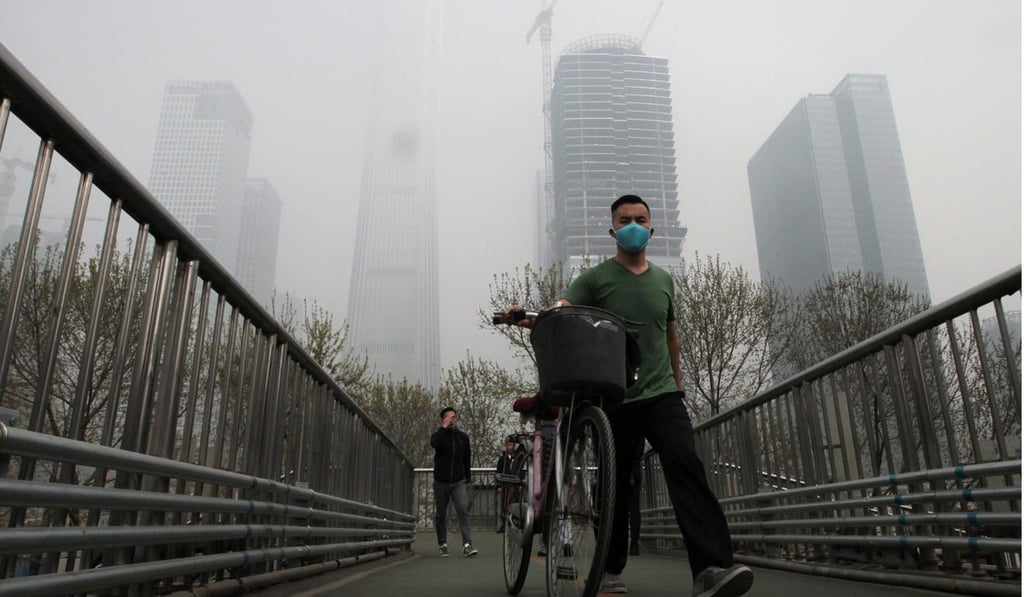
As air pollution continues to be a major issue in Beijing and cities around the world, consumers are demanding protective skincare products. More than half of Chinese consumers wanted “to learn more about how to protect themselves from pollution” in 2016, according to a report by Mintel, a UK-based market research firm. Mintel’s latest research shows that two-thirds of Chinese consumers believe lifestyle factors, including stress and lack of sleep, have a huge impact on their skin, while 45 per cent believe pollution to be a major factor.
Asian brands have been listening. In 2016, of all the new beauty products launched worldwide that came with anti-pollution claims, 38 per cent were launched in Asia-Pacific, up from 28 per cent the year before. New products such as Allies of Skin’s 1A All-Day Pollution Repair Mask and Drunk Elephant’s D Bronzi Anti Pollution Sunshine serum are popping up all the time.