How fashion industry destroys unsold stock, China’s part in the problem, and the steps brands are taking to make fashion more sustainable
Leading brands regularly destroy unsold stock to foil grey market sellers and maintain pricing power; a drop in China sales has added to their waste problem. Some are trying to change their ways, but turning fashion green is a huge challenge, experts say

British fashion brand Burberry caused outrage last month when it announced it had burned more than US$37 million worth of unsold clothing, accessories and perfumes last year. It begged the question: was such wastage really necessary?
It was not the first time the annual report of a luxury brand had stirred controversy over the fate of unsold inventory. Only months earlier, Swiss luxury group Richemont, which owns watchmakers including Cartier, Montblanc, Piaget, Baume & Mercier and Vacheron Constantin, revealed that it had bought back and dismantled US$567 million worth of its merchandise in the past two years.
The company explained that the “exceptional” measure was taken in response to a drop in demand for watches in China following the launch of President Xi Jinping’s anti-corruption campaign, which curbed ostentatious gift-giving by government officials.
Richemont said it first bought back excess stock in 2006 to avoid the watches being traded on the grey market in Hong Kong and China.
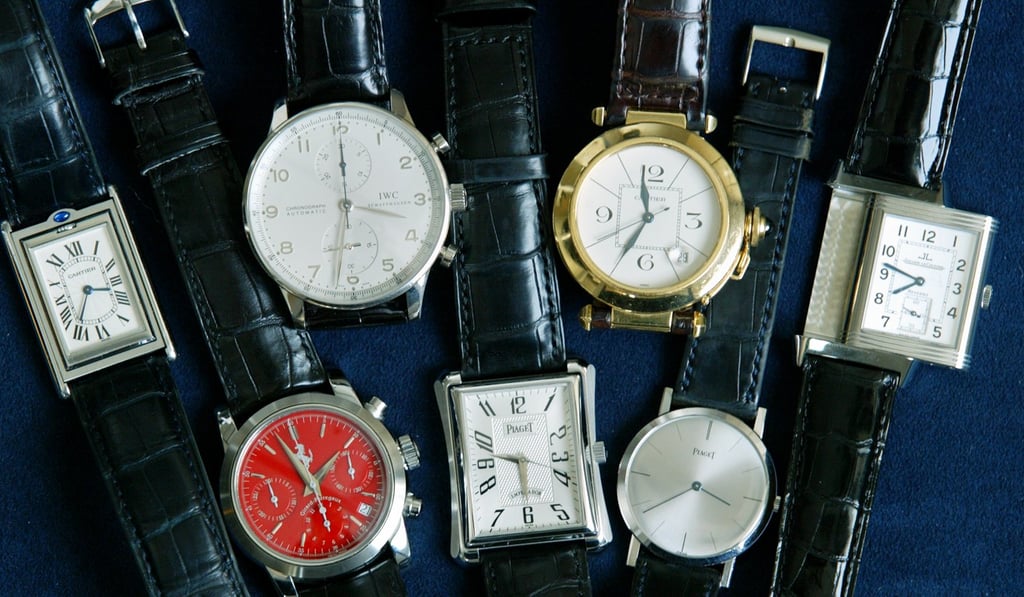
The grey market is a concern for luxury brands worldwide. It is especially so in China, where daigou (informal personal shoppers) return home with high-end goods bought overseas – often excess, discounted stock – and sell them for a profit. Consumers still get a discount because prices are marked up with a luxury tax in China.
Marketing Week columnist Mark Ritson wrote in an article in May in support of Richemont’s view that the grey market effectively dilutes the exclusivity factor that makes luxury brands appealing in the first place. Because of the lower prices in the grey market, when a Richemont brand wants to sell a watch at a higher price again, retailers will be inclined to demand discounts or walk away.