The story of Muji: how minimalist ethos focused on quality and simplicity spawned a global lifestyle empire
- Muji began life as a range of simple household products, sold in Japanese supermarkets, whose name meant ‘no-brand items of good value’
- It soon moved into clothing and today sells 7,000 products in nearly 1,000 stores; amid competition from Chinese copycat brands, it has begun opening hotels
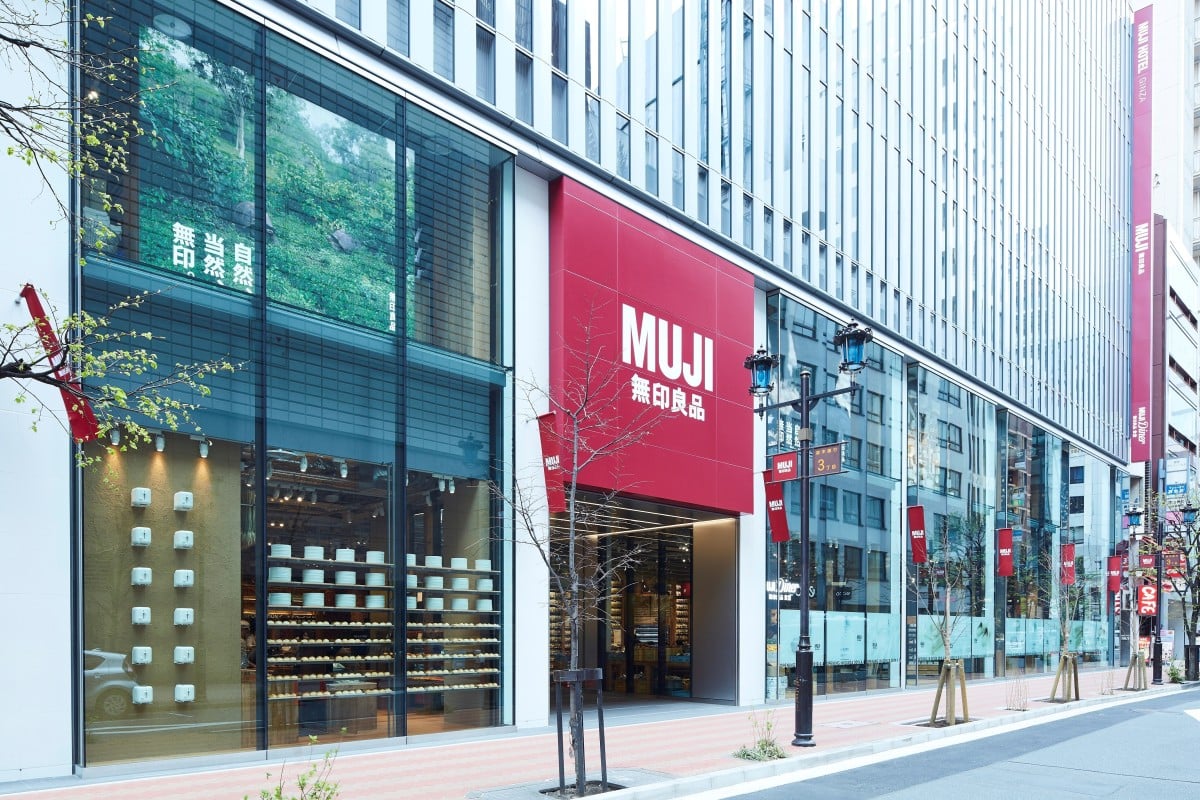
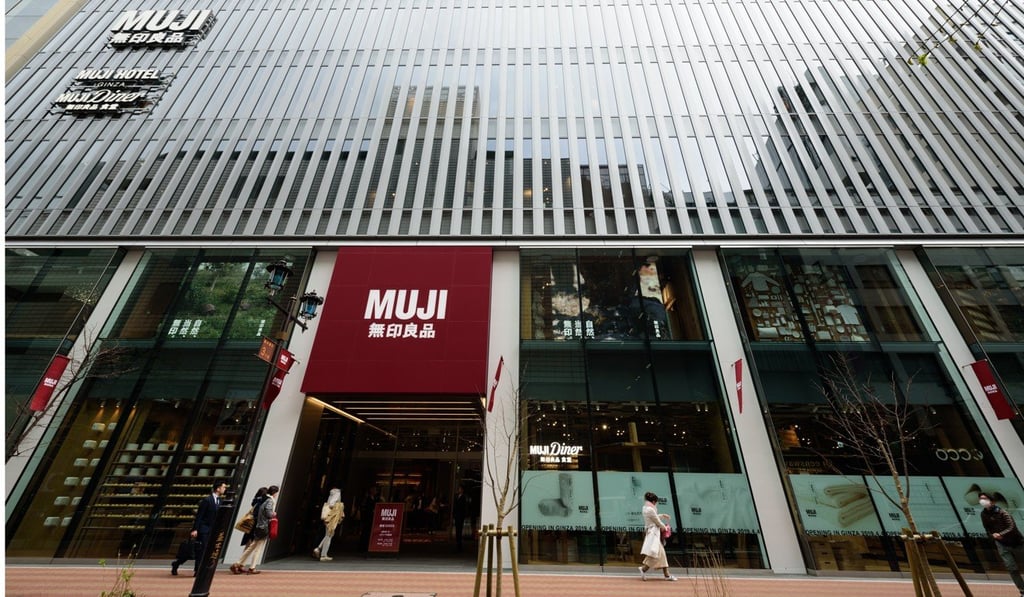
Like the vast range of everyday household items it stocks – from pens to beds to clothing to suitcases and countless others – the Muji logo on every store is simplicity itself. Four block capital letters in the most uncomplicated font imaginable, followed by the four kanji characters that make up its Japanese name. No glitz, no bling, no fuss.
As of the end of February 2019, Muji had 975 stores, including cafes and its IDÉE stores, of which 519 were overseas. Hong Kong alone has 26 Muji outlets. That is quite a leap from a brand that started life as a range of simple household products, Mujirushi Ryohin; mujirushi means no-brand items and ryohin the value of good products.
It was by shortening the name of this line, which first appeared in Seiyu supermarkets in December 1980, that the brand’s name was arrived at.
“Muji was founded in Japan in 1980 as an antithesis to the habits of consumer society at that time,” says a spokeswoman for the public relations and sustainability department of Tokyo-based Ryohin Keikaku, the company’s formal name.
“On one hand, foreign-made luxury brands were gaining in popularity within an economic environment of ever-rising prosperity,” she says. “But on the other, poor-quality, low-priced goods were appearing on the market, and this had a polarising effect on consumption patterns.”