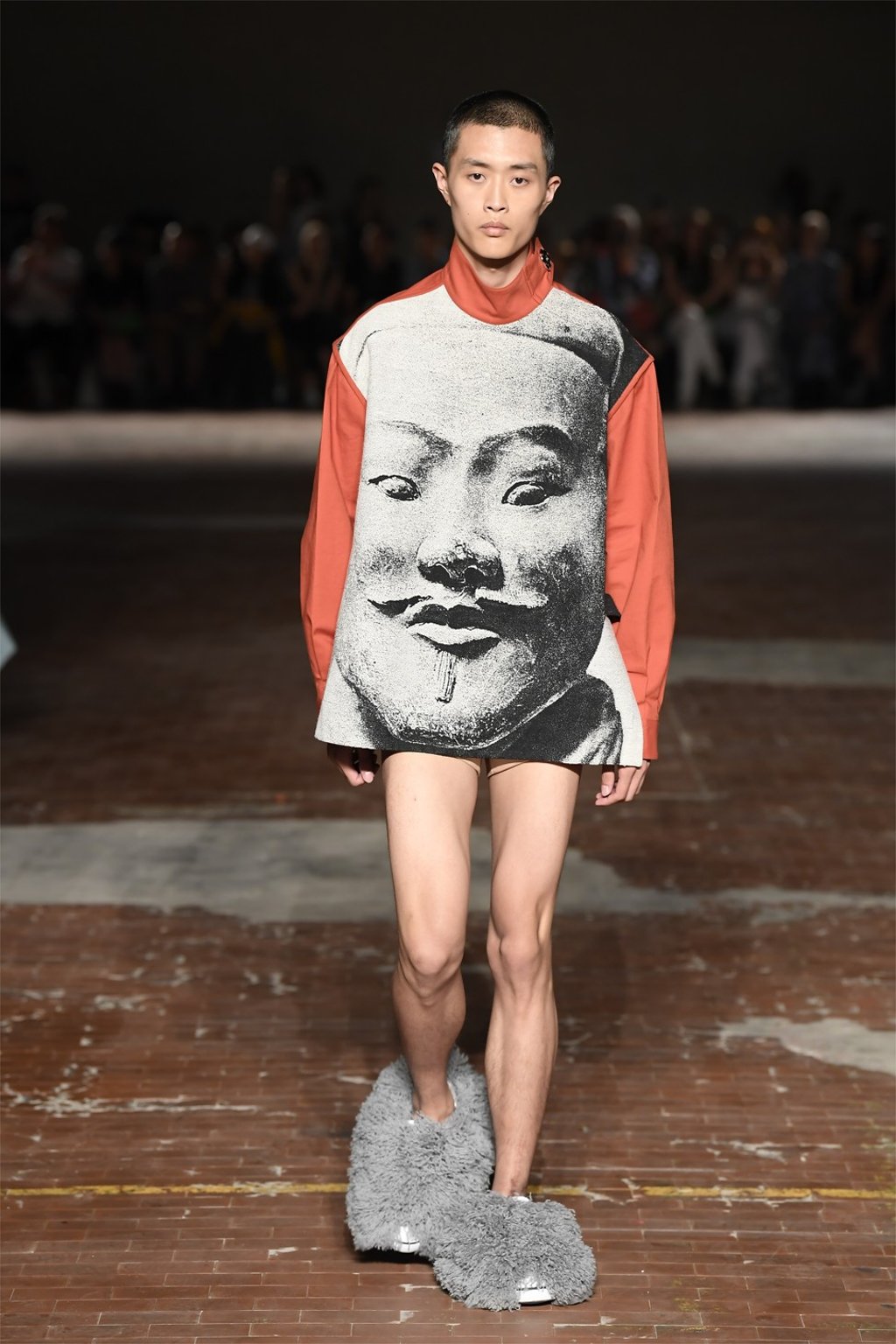
China deepens fashion links with Italy as Belt and Road plan brings two countries closer
- Italy was the first G7 country to endorse China’s Belt and Road initiative, making it easier to access each other’s products.
- Meanwhile, the Italian fashion industry is working to break the stigma around Chinese designers

When President Xi Jinping received a state welcome in Rome this year, he described Marco Polo – the Venetian merchant and explorer who travelled the old Silk Road in the Middle Ages – as the “first bridge” between Italy and China. But could fashion be the second?
China is estimated to have invested between US$1 trillion and US$8 trillion in the project. And while it has many detractors – including it now seems, the Italian prime minister – Belt and Road projects should deepen the link between the two countries. This would allow established Italian brands to source from and market to China more easily, and Chinese fashion labels to buy material from Italy and find a home on its storied shopping streets.
Days after the Belt and Road Initiative agreement was signed, Ctrip – a Chinese travel company with a turnover of US$4.5 billion and three million registered users – signed a deal with three major players in the Italian tourism board. A total of almost two million Chinese tourists visited Italy in 2018 and this agreement should help boost that figure by 10 per cent in 2020.