Lab-grown diamonds – how can they be precious? It’s like cloning animals, Dior jewellery head says
- For Dior Joaillerie chief Victoire de Castellane, fine jewellery is all about the gems, which makes her uneasy about replacing them with mass-produced stones
- She also reflects on her 20 years at Dior Joaillerie, whose output was as matronly as other luxury houses’ until her exuberant creations changed high jewellery

In the 20 years since Victoire de Castellane joined the house of Dior to establish its high jewellery arm, Dior Joaillerie, in 1999, the brand has gone through at least five creative directors for its women’s ready-to-wear line.
In a fickle industry such as luxury, de Castellane’s longevity is an exception, but she’s quick to point out that the rarefied milieu of jewellery is a far cry from the fast-paced world of fashion.
“Jewellery is not like fashion; it’s a different rhythm. It takes me two years to create a collection, and fashion is every two months, so it’s very important for Dior to have somebody who embodies the spirit of the jewellery,” she says when we meet during the autumn/winter couture shows in Paris at the launch of Gem Dior, the brand’s latest high-jewellery range.
For those who have followed de Castellane’s tenure at Dior, and have kept an eye on the work of other jewellery maisons, her work has always been a breath of fresh air. In the staid world of high jewellery centred around Place Vendôme, the heart of jewellery making in Paris, her exuberant creations have always stood out next to the often matronly offerings of others.
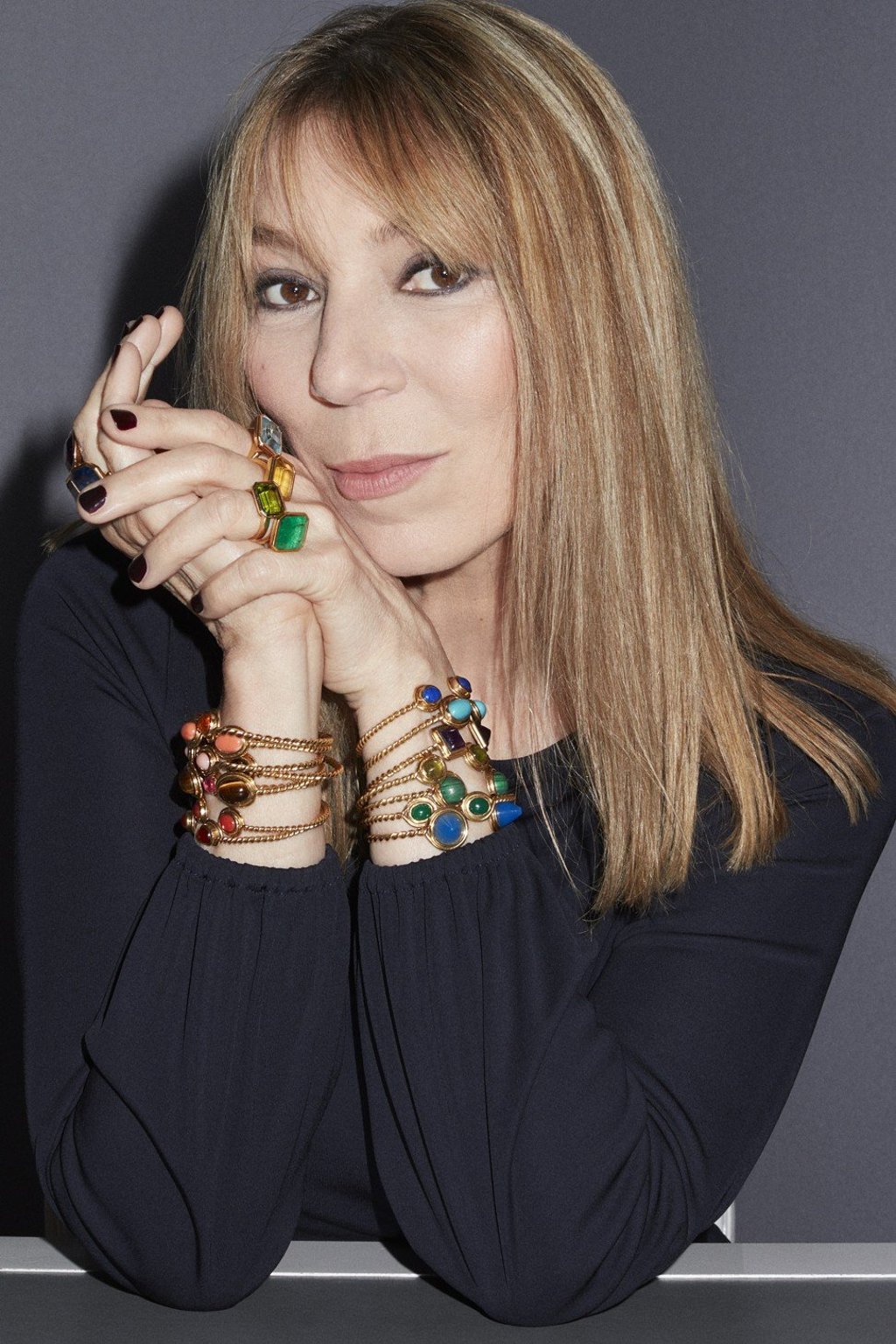
“Just because something is very expensive, it doesn’t have to look mumsy,” says de Castellane. “When I arrived, jewellery was very classic and conformist. Jewellery houses weren’t creating for women but for investment, and didn’t ask themselves if the jewellery should be more challenging; it was meant for men buying for women.”