Crocodile farming: how Philippine home improvement entrepreneur got into it, and became an LVMH supplier
- An egg farm started as a hobby for Wilcon Depot founder William Belo, but he had a problem: how to dispose of old chickens?
- He bought some crocodiles. One thing led to another, and he now has 23,000 of them. Their skins are used for handbags and meat for sausages and delicacy sisig

Why own one crocodile when you can have thousands of them?
William Belo, whose Wilcon Depot dominates the Philippines home-improvement market with 57 stores nationwide, was already on the path to business success when he decided to try his hand at something different, and started an egg farm in 1989 as a weekend activity.
Then, he needed to figure out what to do with the chickens that were no longer able to lay. In the mid-1990s, he thought about feeding them to tigers before settling on crocodiles.
He bought about 1,200 of them over three years after learning that a crocodile conservation farm in the province of Palawan was looking to sell some of its stock.
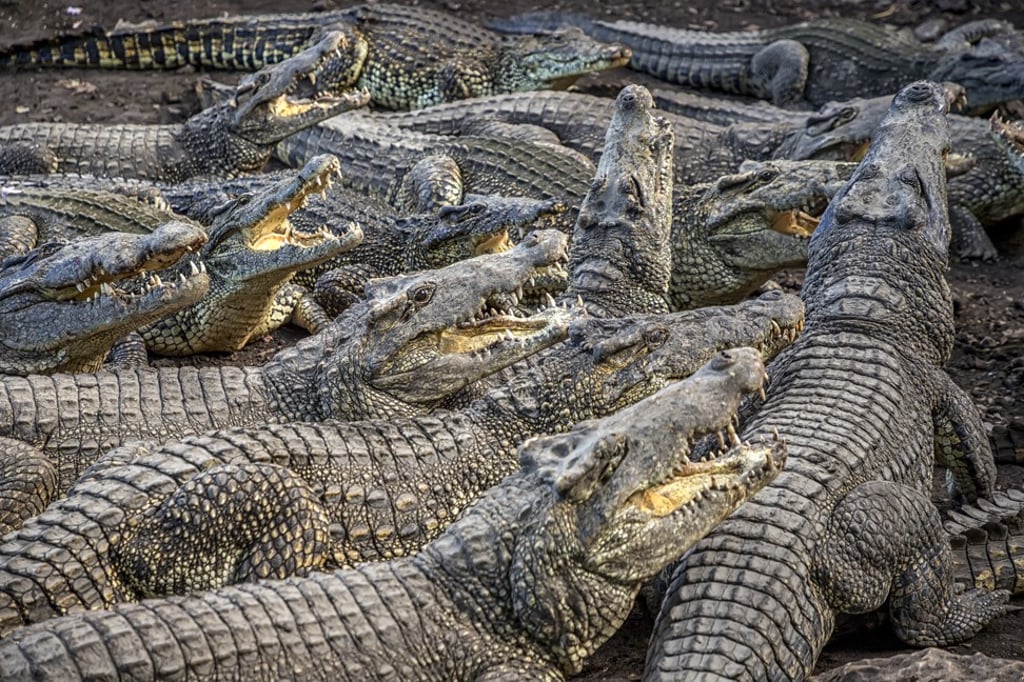
“My plan was just to have a farm with a small number of animals and fresh eggs for personal consumption,” Belo says in an interview in Manila. “One thing led to another. We brought in crocodiles to feed the chickens [to that] we didn’t need.”