When streetwear brands like Supreme, Bape, go mainstream, how do they keep their original fans – and do they care?
- Streetwear labels face a delicate balancing act between being ‘anti-establishment’ and pandering to new customers when they are bought out
- Major streetwear labels like Supreme and Bape have been accused of losing touch with their original fan base
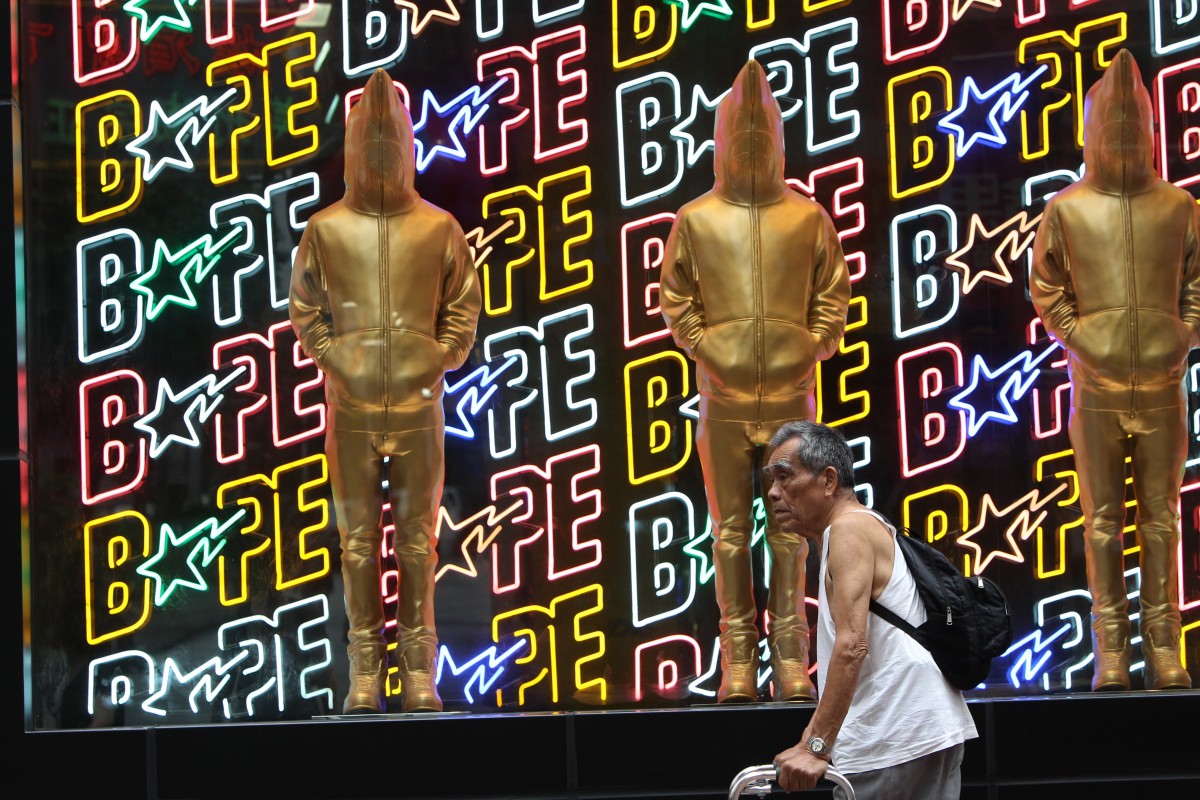
When a niche brand enters the mainstream, investors rejoice – but loyal fans rarely follow suit.
In the heavily youth-focused world of streetwear, a label’s popularity is often based on its apparent rejection of conventionality, mass marketing and even capitalism itself. This poses a problem for brands that have been bought by major conglomerates. Should they project the same anti-establishment message they did before – and how do they navigate that perilous tightrope between too much growth and not enough?
“It’s definitely a challenge they all face. Once their reach and appeal move beyond their core audiences, it’s crucial to remain truthful to their values while also adopting new strategies to cater to a wider, more diverse customer base. We’ve seen brands fail to balance this delicate line because their mission and targets become diluted and blurry by catering to opposite ends of the spectrum.”

Whether it is through tongue-in-cheek references to hyper-consumptive fashion culture or through homages to notoriously anti-consumerist artists such as Barbara Kruger, most streetwear brands are launched on a counterculture position.