Forced labour: clothing brands have the chance to press China amid post-virus slowdown, rights advocate says
- Hundreds of global companies buy cotton and make goods in Xinjiang, China, where over 1 million Uygurs are estimated to be detained, some doing forced labour
- Proposed US legislation targeting forced labour, and recent disruption to Chinese manufacturing, give brands leverage to effect change, labour rights body says

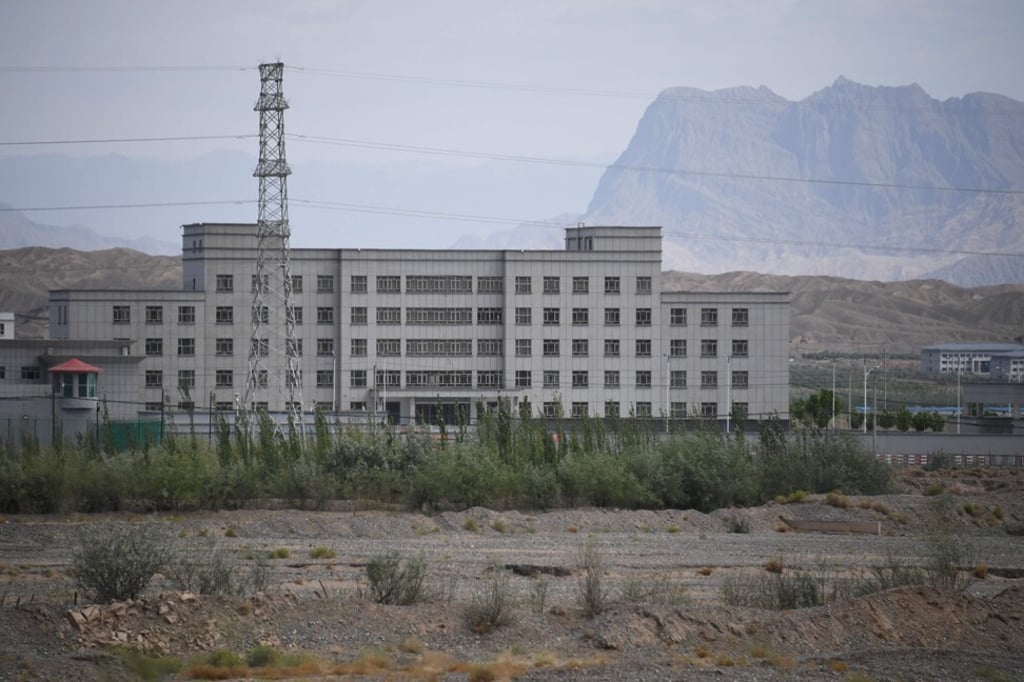
As consumers, it is a difficult issue to police. Nearly a quarter of the world’s raw cotton is turned into fabric in Xinjiang, a region in China where the Uygur minority group are persecuted and – according to human rights organisations – some are made to work in apparel factories against their will.
Hundreds of global companies buy cotton and make goods in Xinjiang, including Lacoste – which was found to be manufacturing gloves in a government detention centre – Muji, Uniqlo, H&M, Esprit and Adidas.
“You can’t ever be sure that you don’t have coerced labour in your supply chain if you do cotton business in China,” says Nathan Ruser, a researcher at the Australian Strategic Policy Institute (ASPI). “Xinjiang labour and what is almost certainly coerced labour is very deeply entrenched into the supply chain that exists in Xinjiang.”