Advertisement
Luxury shoppers in China stymied by travel disruption buy second-hand and from local stores as shortages bite
- China’s high-end shoppers are finding it hard to splash their cash with the Covid-19 pandemic halting travel and causing shortages of imported goods
- Sales of second-hand luxury goods on online platform Paipai jumped 138 per cent from 2019 during its summer sale
3-MIN READ3-MIN

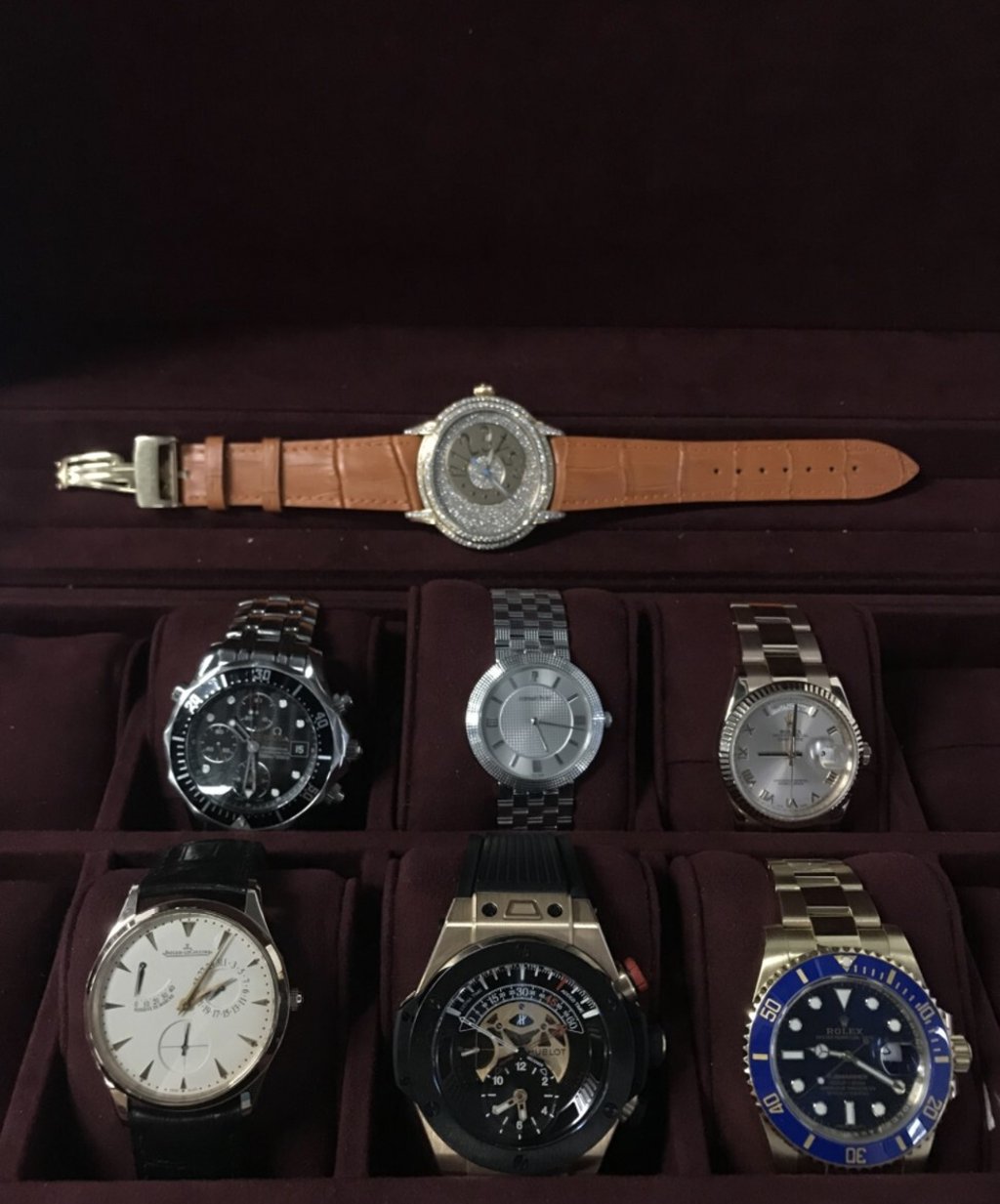
Jeff Meng, a 25-year-old watch lover from a well-heeled family in China’s Guangdong province, had 160,000 yuan (US$22,800) burning a hole in his pocket. He could not find the Rolex Daytona watch he wanted, dubbed “panda” for its black-and-white face, anywhere in China.
The coronavirus pandemic has halted travel and disrupted networks of parallel importers, so Chinese high-end shoppers like Meng – who collectively spend US$111 billion a year on luxury goods – are finding it hard to spend their cash.
Global luxury houses from Balenciaga to Montblanc have been forced to rethink how to reach consumers in China, despite their long-standing concerns about counterfeiters and powerful e-commerce platforms that set the rules. The halt to travel is also fuelling the rise of a second-hand luxury market in China as consumers seek certain styles or models they can’t find in local shops.
Advertisement
Before the pandemic, two-thirds of Chinese luxury purchases were made overseas, according to consultancy Bain. The spending took place either on shopping-spree holidays or via resellers called “daigou”. Meaning to “buy on behalf”, daigou are Chinese people living, studying or travelling abroad who buy sought-after goods from boutiques in Europe or the United States and bring them or send them to China.
Advertisement
“Now, travel is impossible, and daigou sellers are either back [in mainland China] or stranded in Europe,” Meng says. “The pandemic made me realise you can’t easily get what you fancy in China.”
Advertisement
Select Voice
Select Speed
1.00x