ExplainerHow to treat blackheads and the best products to keep this kind of acne away – a dermatologist gives her top tips
- Blackheads appear underneath the skin and can’t be washed away, so they need to be regularly extracted. It’s best to do this at your dermatologist’s office
- Keeping your pores from getting clogged will help to prevent them returning – the simplest way is to wash your face once a day

Blackheads – those little dark spots – are seemingly impossible to get rid of, and they always seem to crop up in the middle of the face, especially on the nose.
We spoke with a dermatologist to find out exactly what these blackheads are and the best way to get rid of them.
The blackheads on your nose are probably a form of acne
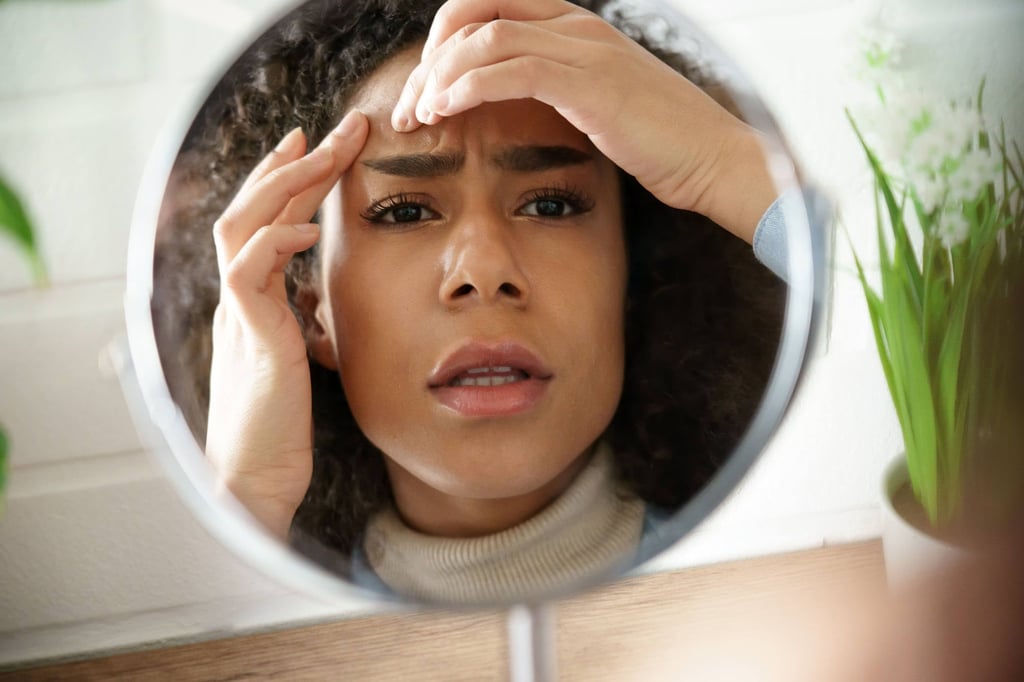
“They’re clogged pores or hair follicles that collect sebum (the natural oil that the glands on our face make), dirt, skin cells, and bacteria,” she said. “They are more likely to form on the nose because the nose has lots of glands.”
Sarkar noted that not every black spot on your nose is a blackhead, though. Some might be sebaceous filaments.
“Sebaceous filaments are in the lining of your pores and help sebum get out of the pore and lubricate your skin,” she told Insider. “Sebaceous filaments can become visible if they fill with fats and oils and appear dark. They’re more linear and easier to extract than blackheads.”
But blackheads are difficult to extract at home because they’re underneath the skin. “Because blackheads are hard and trapped inside pores they can’t be ‘scrubbed away’ or washed off,” Sarkar said. “Most often, they need extraction.”