How fashion has been influenced by literature, from Virginia Woolf’s gender-fluid Orlando to Truman Capote’s Holly Golightly and the little black dress
- Virginia Woolf and her novel Orlando have inspired collections from Fendi, Givenchy and Burberry. Mary Shelley’s Frankenstein was a reference for Gucci
- Yves Saint Laurent had a thing for Proust and Truman Capote gave us style icon Holly Golightly. Collections need a backstory, says Max Mara’s Ian Griffiths

The modernist English author Virginia Woolf wrote “my love of clothes interests me profoundly. Only it is not love and what it is I must discover”.
Woolf’s love of clothes, one she grappled with – professing to both hate being badly dressed and also hate buying clothes – continues to interest the fashion industry. Or as online publication Refinery29 puts it: Why do fashion people like Virginia Woolf so much?
In the Fendi show notes, Jones included a much quoted line from Orlando, “vain trifles as they seem, clothes have, they say, more important offices than merely to keep us warm”.
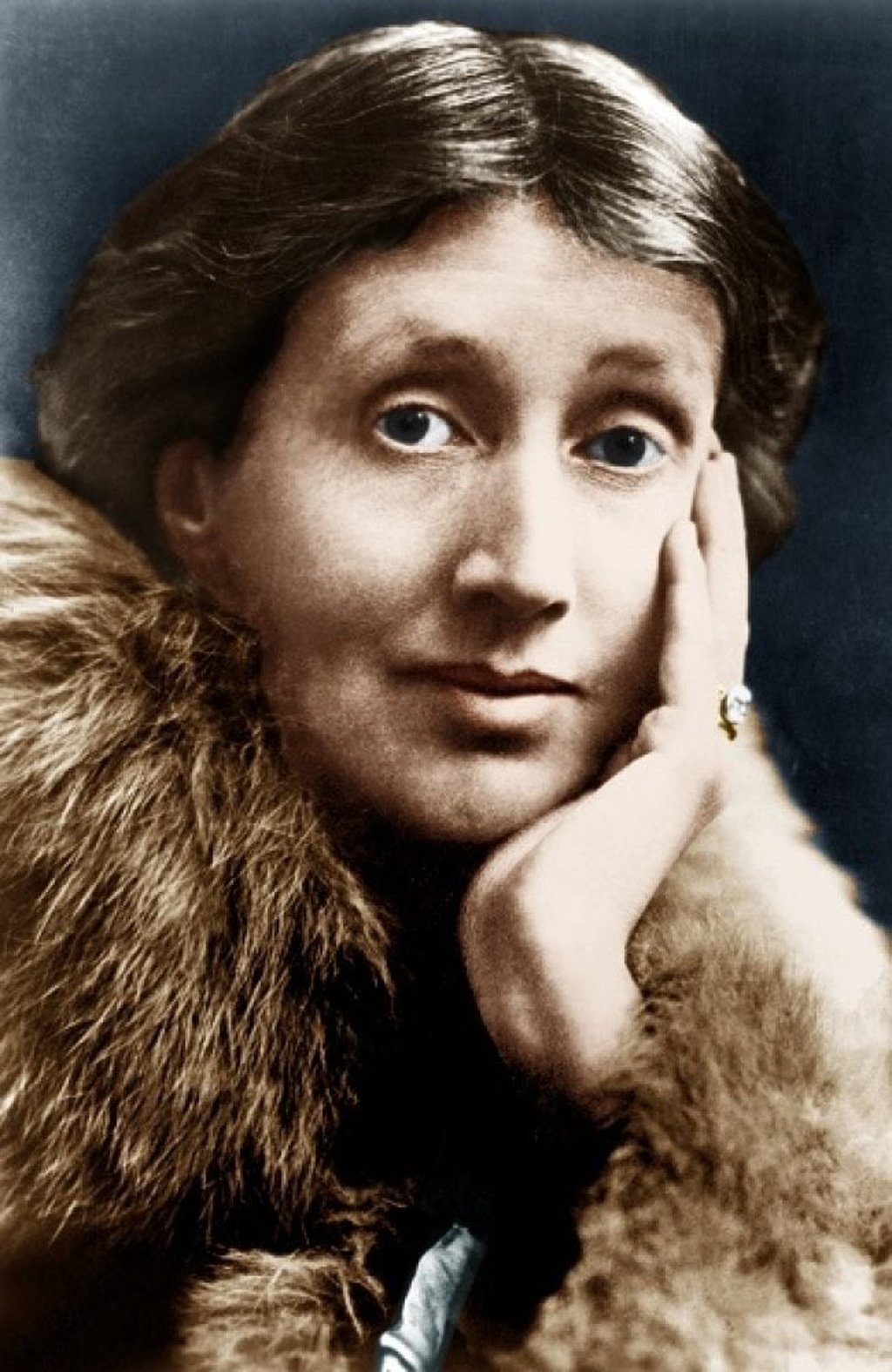
Jones isn’t the only designer to find inspiration in the works of the Bloomsbury group, in Woolf and especially in Orlando, given its exploration of gender fluidity – a particular interest for many fashion designers (and consumers) now. As fashion critic Anders Christian Madsen noted in his Vogue review of Jones’ couture collection, Orlando is “fashion’s favourite lexicon for the study of genderlessness”.
For Givenchy spring/summer 2020, the label’s then creative director, Clare Waight Keller, riffed on the letters Woolf wrote to her lover Vita Sackville-West, while Christopher Bailey, for his autumn/winter 2016 collection for Burberry, and Rei Kawakubo at Comme des Garçons (who recently designed the costumes for the Vienna State Opera production of Orlando the opera) have also found inspiration in Woolf’s work.