Is expensive perfume worth the money? What they have that cheaper ones may not, and how to choose the right scent for you
- Like a burger at a Michelin-star restaurant and one at a fast-food chain, high-quality ingredients separate a high-end scent from a budget-friendly one
- Base notes last the longest but are expensive to source, which is why cheap perfumes don’t tend to contain them and therefore don’t have staying power
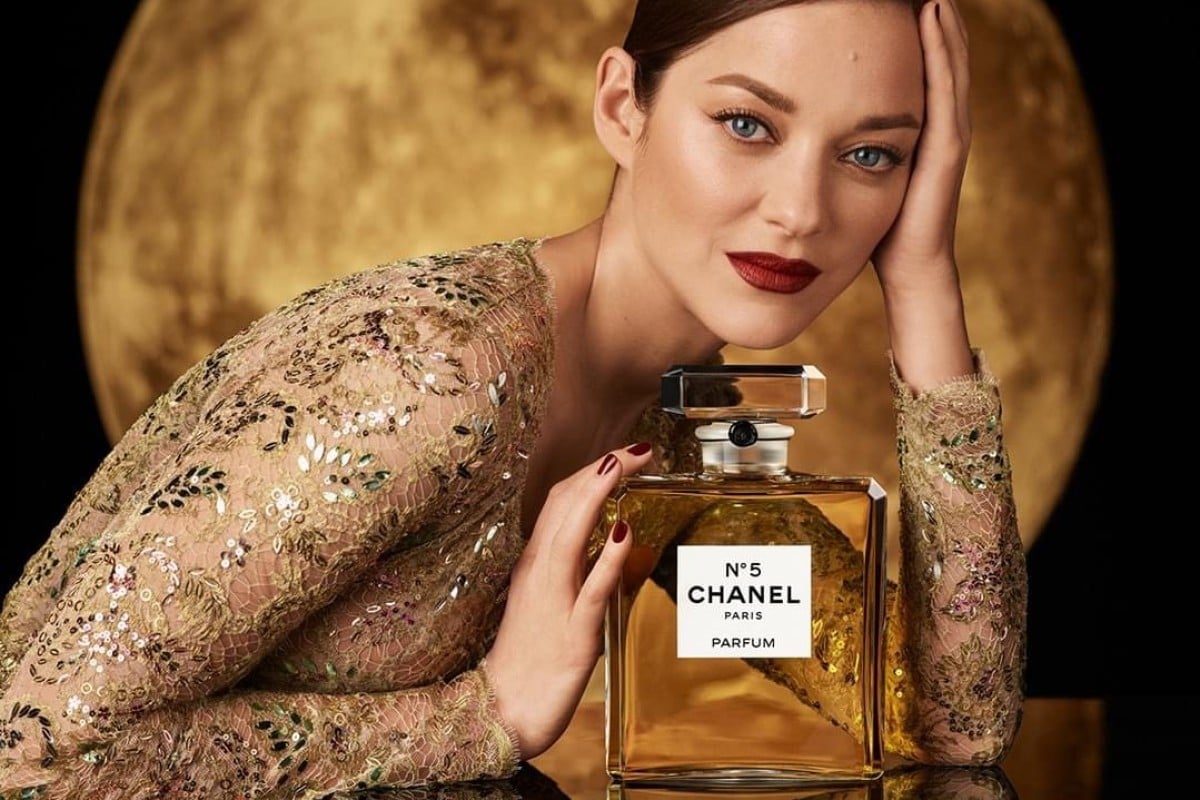
There are a number of decisions to make before choosing a perfume, from finding your preferred quality, intensity and longevity to the brands and notes you like the most. No matter your preferences, though, there’s always the question of how much to spend and if it’s truly worth splashing out on a luxury fragrance.
Ingredient quality
Think of two hamburgers – one in a Michelin-star restaurant and another at a fast-food chain. Although they’re conceptually the same, the fancy restaurant will have access to high-quality ingredients that are less processed and deeper in flavour. The same happens with scents – high-end perfume houses have access to better ingredients.
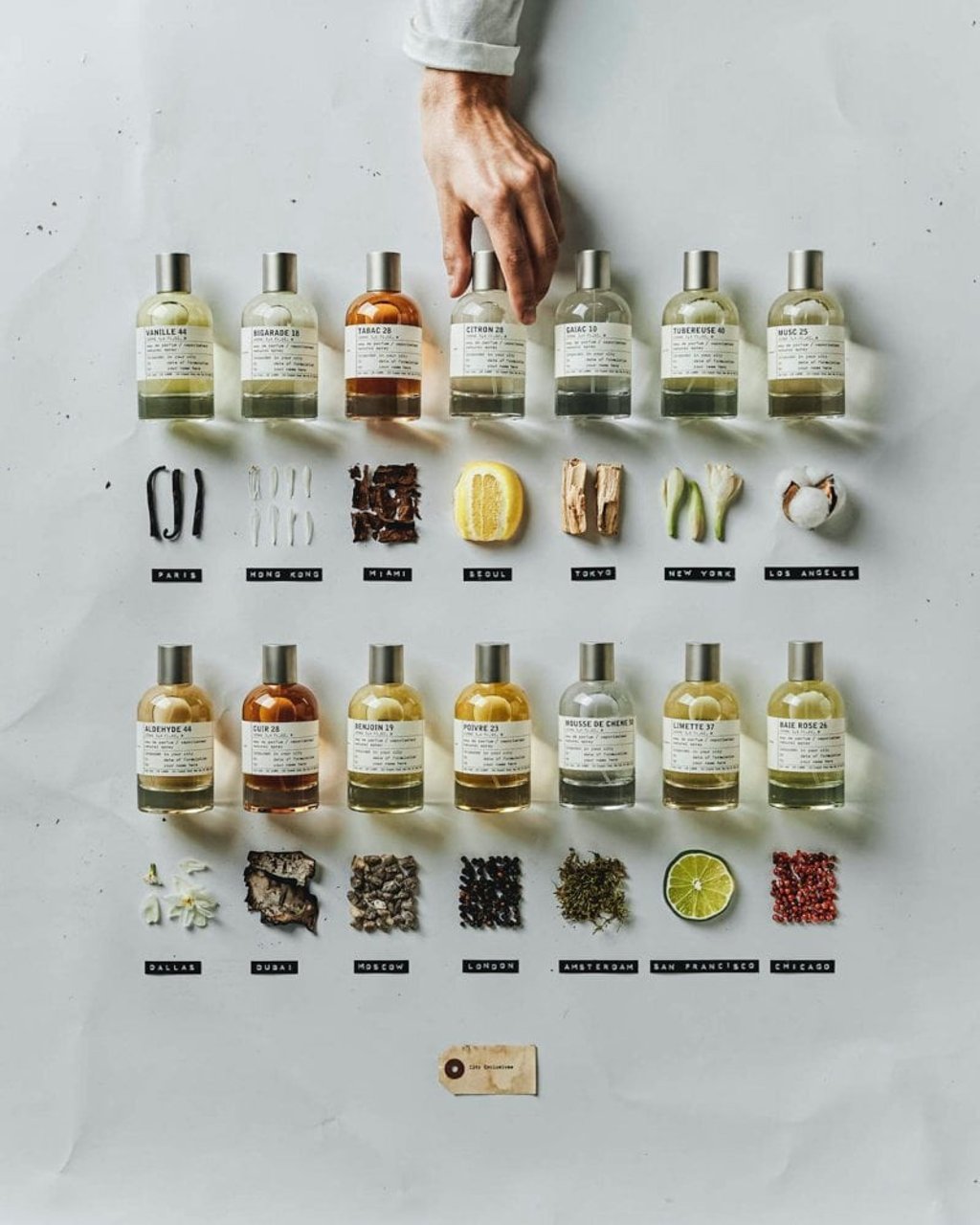
While makers of high-end perfumes prioritise natural ingredients, both luxury and inexpensive brands include a ratio of synthetic ingredients in their formulas. Some of the most popular extracts, such as musk, are now synthetic-only, as animal sourcing has been banned.
Longevity and oil concentration
Have you heard the terms parfum, eau de parfum, eau de toilette, eau de cologne, and eau fraîche? These indicate the percentage of perfume oil in every formula. Parfum carries the highest amount (20-30 per cent concentration) and eau fraîche the lowest (1-3 per cent). The higher the oil concentration used in a fragrance, the more expensive it will be to develop and buy.