Michael Kors talks about his 35 years in fashion and his part in fighting world hunger
Designer who went from being an American selling to Americans to designing for a global market has helped UN World Food Programme deliver more than 10 million meals worldwide and, with his company, raised US$20m for New York food charity
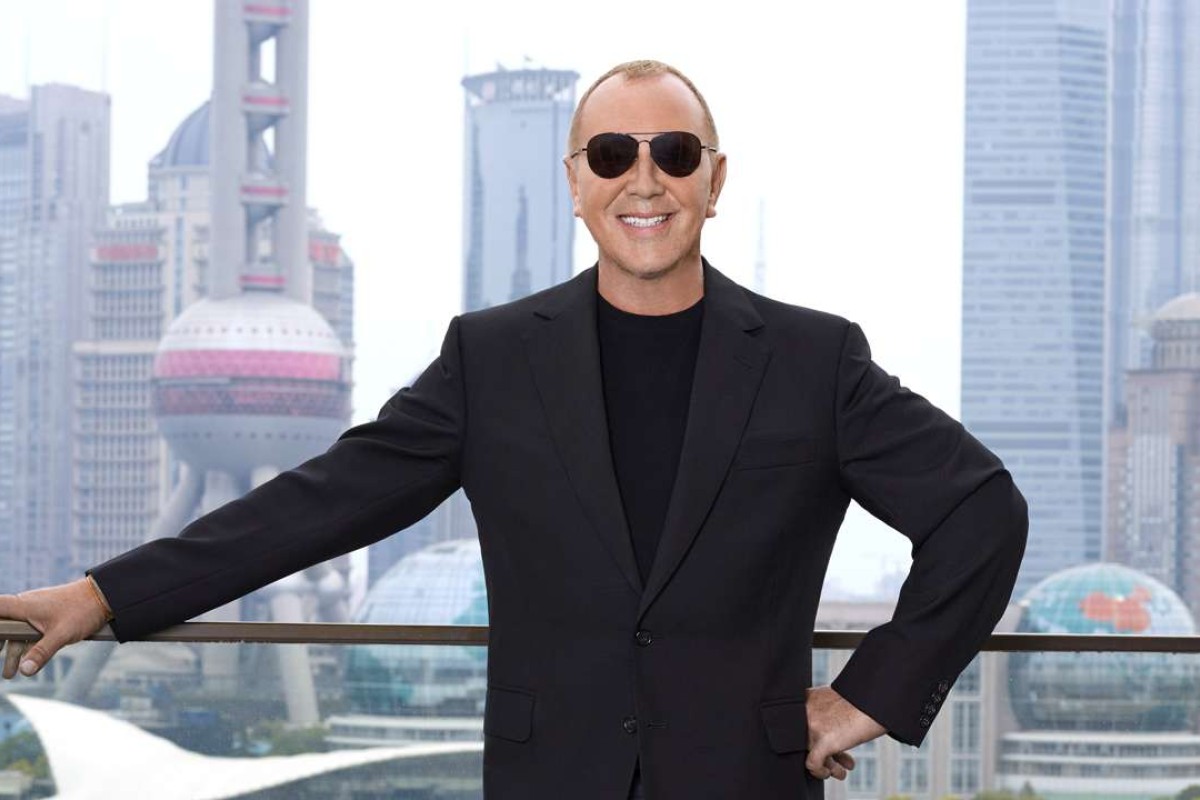
Fashion has been very good to Michael Kors. Over the past 35 years, the designer has made himself a nice little fortune by turning his daydreams about Aspen, Montauk, sporty socialites, minimalism and cashmere into a billion-dollar fashion empire. He has built a fine life with a handsome husband, a client list that includes Michelle Obama, and the affections of countless professional women walking around town with an MK handbag draped over an arm.
And yet, says the former Project Runway judge: “It’s nice when something takes your head away from major decisions about flat-front [trousers] or pleats.”
For Kors, the topic that diverts his attention is hunger. Recently he was honoured in Washington with the McGovern-Dole Leadership Award for his work with the United Nations World Food Programme. As one of its global ambassadors, he’s helped to raise funds to deliver more than 10 million meals to children around the globe.
“Do you know what I’m wearing?” asks Kors with eager glee. “I’m wearing nude pantyhose, mid-heel navy pumps and a boxy navy suit.”
Haha, a little joke about Washington’s stereotypical power woman uniform. Kors laughs: “I’ll break the internet!”
Of course, that look no longer dominates Washington style. (Mostly, not.) Fashion’s broad reach has introduced the most eccentric designs into the most conservative corners of this city. The style of urban nomads is found in suburban cul-de-sacs. Prada fans in Johannesburg have their own shop. Louis Vuitton has stores everywhere from Paris to Ulan Bator in Mongolia. As fashion becomes more global, so do the concerns and responsibilities of its designers.