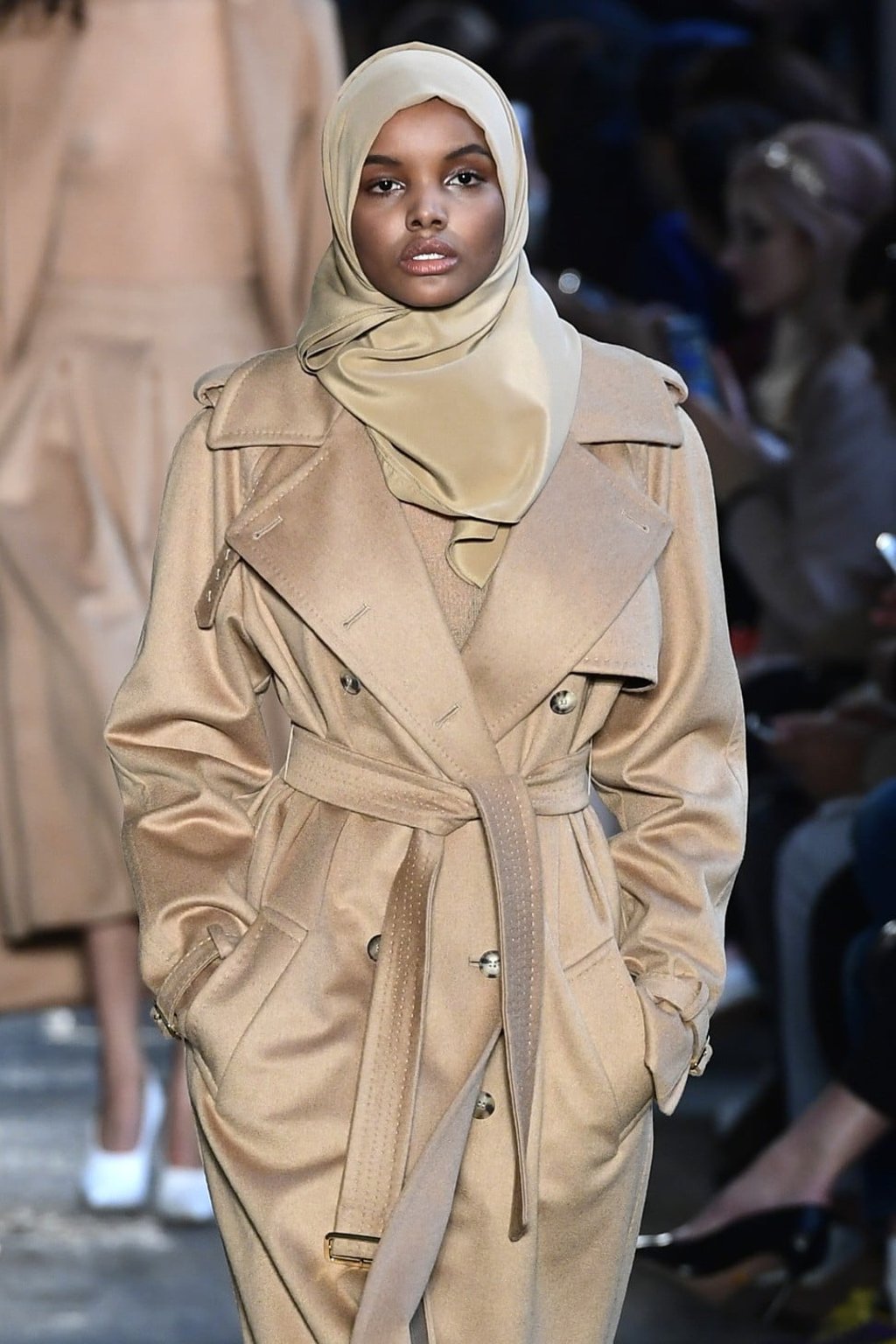
Fashion activists: the models who confront, empower, promote diversity and raise awareness
Today’s model activists aren’t afraid to campaign on the catwalk and in social media, as they share their negative experiences, champion women’s rights, and battle the bigotry and oppression that exists inside and outside their industry

Fashion is a powerful reflection of the values of each era. And nowhere do we get a more beautifully packaged example of the zeitgeist than with the models of the moment. The 1980s saw Amazonian goddesses strutting down the catwalk in gold lamé, the ’90s had silent Mossy and her party posse. But in the era of social media, we expect our models to have an opinion – and those all-important likes are far more easily garnered by a feminist caption than a bikini shot.
L’Oreal brings diversity to Champs-Élysées runway as Helen Mirren and Jane Fonda lead the show
And while activists and catwalks are not a new combination, previously the protesters weren’t exactly invited and were usually found clutching a can of red paint. However, in the increasingly politicised world in which we live, models are now championing major causes alongside their day jobs.
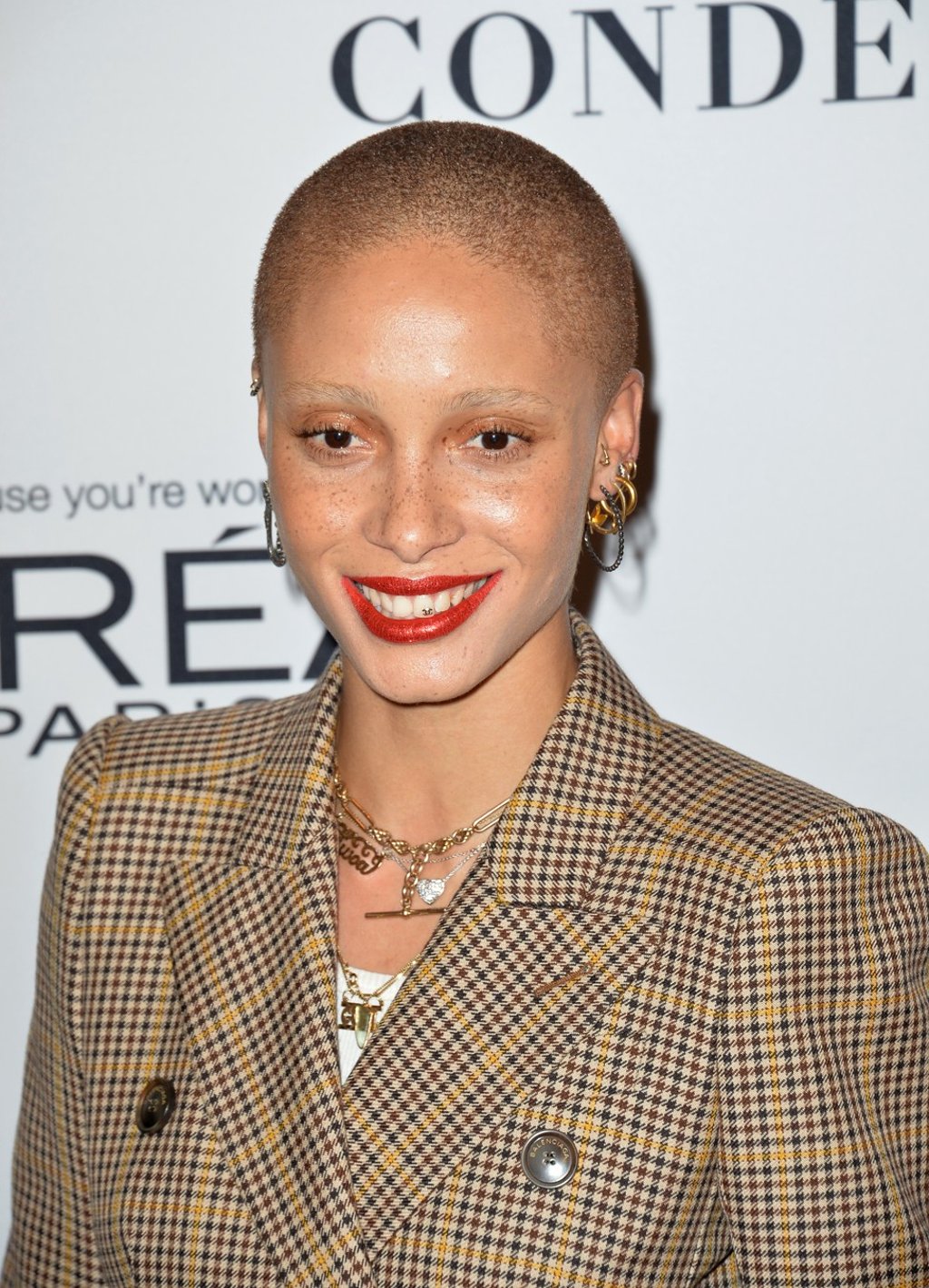
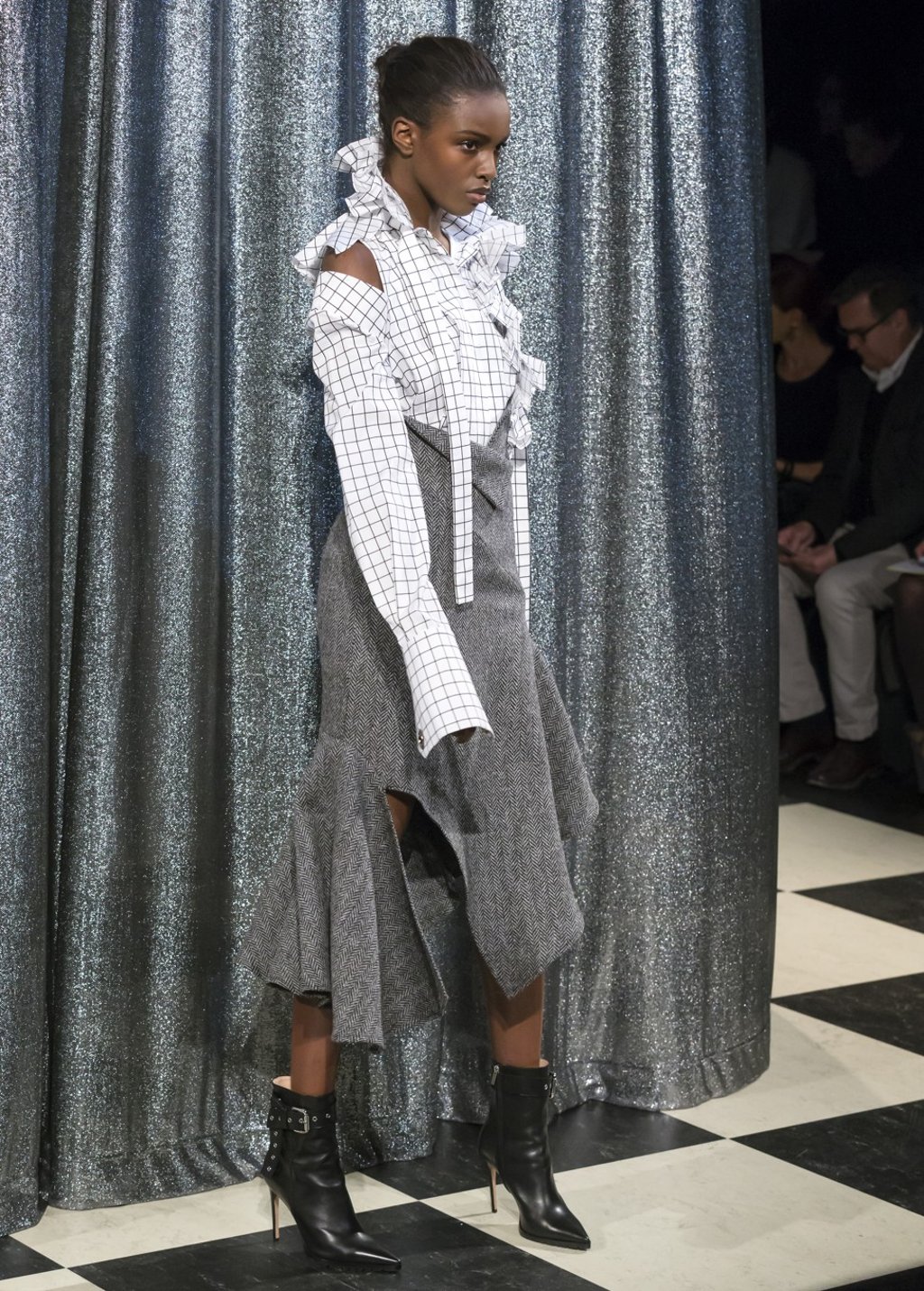
And since the Harvey Weinstein scandal, models such Cameron Russell, Edie Campbell and Doutzen Kroes have spoken out against sexual harassment by sharing their own experiences on social media. Russell, notably, shot to fame after giving a TED talk in which she criticised the fashion industry for its lack of diversity and argued that her success was part of a “legacy of gender and racial oppression”. It was viewed 17 million times and enhanced rather than hurt her career.
Gigi and Bella Hadid, meanwhile, are arguably the most successful new models in America. Raised observant Muslims by their father, Mohamed, both young women have stated that they are proud of their faith and recently marched against Trump’s controversial travel ban. Given America’s current political climate, that they are both household names and practising Muslims is a striking win for diversity.