Vietnam’s chance to become a leader in sustainable fashion manufacturing
The world’s fifth biggest textiles and garment exporter, Vietnam is cracking down on polluters, while foreign investors are building new factories to higher standards and using more environmentally friendly manufacturing processes

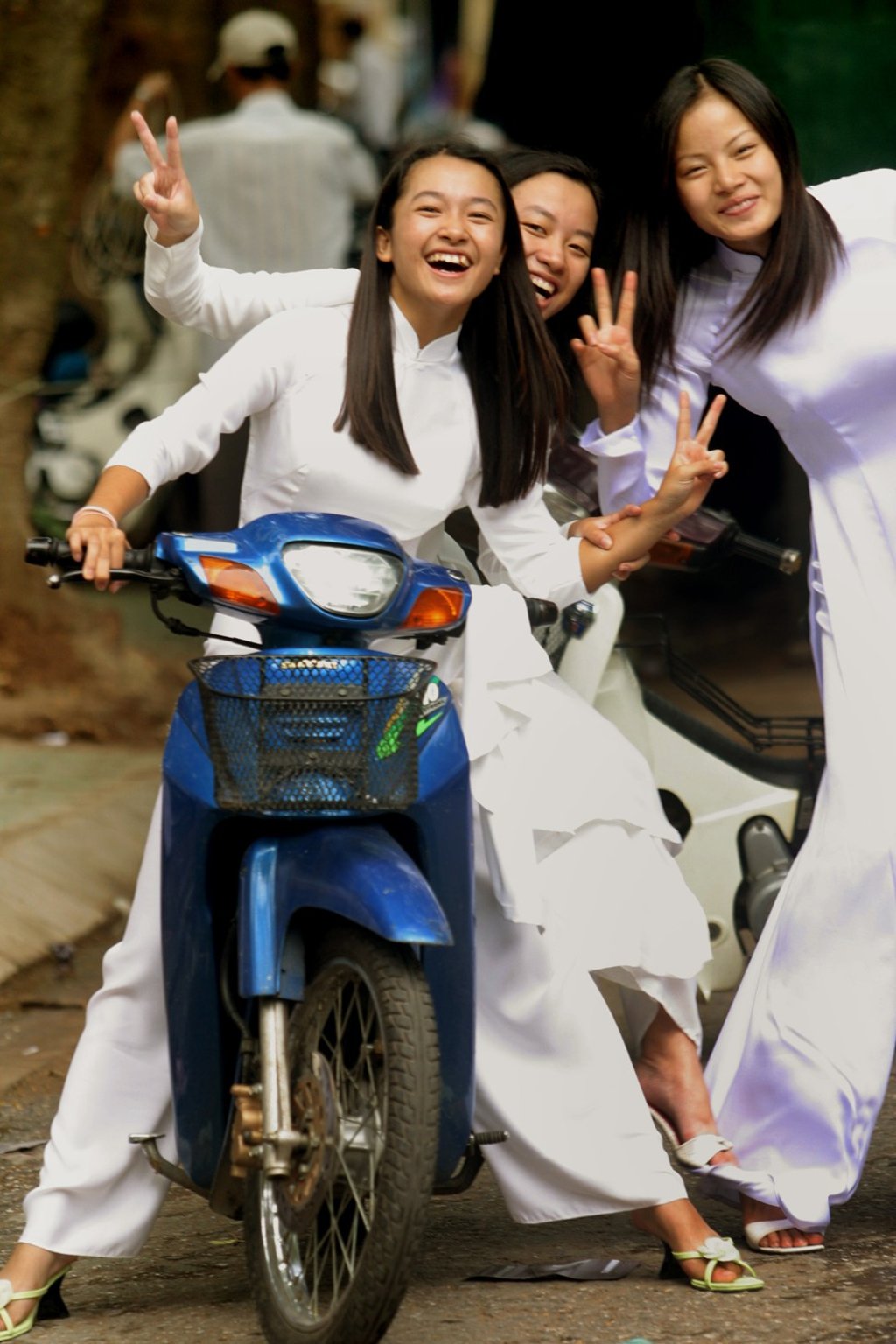
From Tan Chau “royal silk”, used to weave traditional ao dai dresses, to bamboo fibres fashioned into lacquer housewares and more recently T-shirts and linens, to hill-tribe fabrics spun into blankets, cushions and bags by indigenous groups in its mountainous north, Vietnam has a rich history of textile craftsmanship.
China is still struggling to build a global fashion brand – not that producing a worldwide label matters
In recent years the country has also become a major player in the global textile industry. In 2016, it was the world’s fifth biggest exporter of textiles and garments, according to Vietnamese media reports. With a workforce of more than 2 million in the textiles industry, and more than 6,000 garment and apparel firms in the nation, textiles was Vietnam’s largest export sector last year, according to the Vietnamese Ministry of Labour and the International Trade Administration.
Garments sector exports are expected to total US$31 billion in 2017, an increase of 10.23 per cent year on year, according to the Vietnam Textile and Apparel Association, continuing a trend of double-digit year-on-year growth.
From Made in China to Created in China: how nation turned itself from world’s sweatshop to global innovator in just one decade
But for an industry notorious for its carbon emissions, production of industrial waste, and an unpleasant sweatshop image, the sector is seeing major growth at a time when corporate social responsibility is also of increasing major importance. The question for Vietnam is whether it can develop its textiles industry in a sustainable, eco-friendly way.
Earlier this year, hundreds of residents of Hai Duong, an industrial city near the capital, Hanoi, staged a five-month-long protest at the Pacific Crystal Textiles mill, a joint venture between Hong Kong-based apparel makers Pacific Textiles and Crystal Group. The residents complained of foul smells and accused the factory, which counts Japanese clothing giant Uniqlo among its clients, of polluting local waters with effluent discharges. They demanded that the firm adopt more environmentally friendly standards.
The government has implemented stricter environmental protection laws, and levied stiffer fines – some of up to US$88,000 – on polluters for breaching them. Apparel makers themselves have also taken steps to clean up the industry, believing Vietnam has the potential to lead the way to greener practices in Asia.
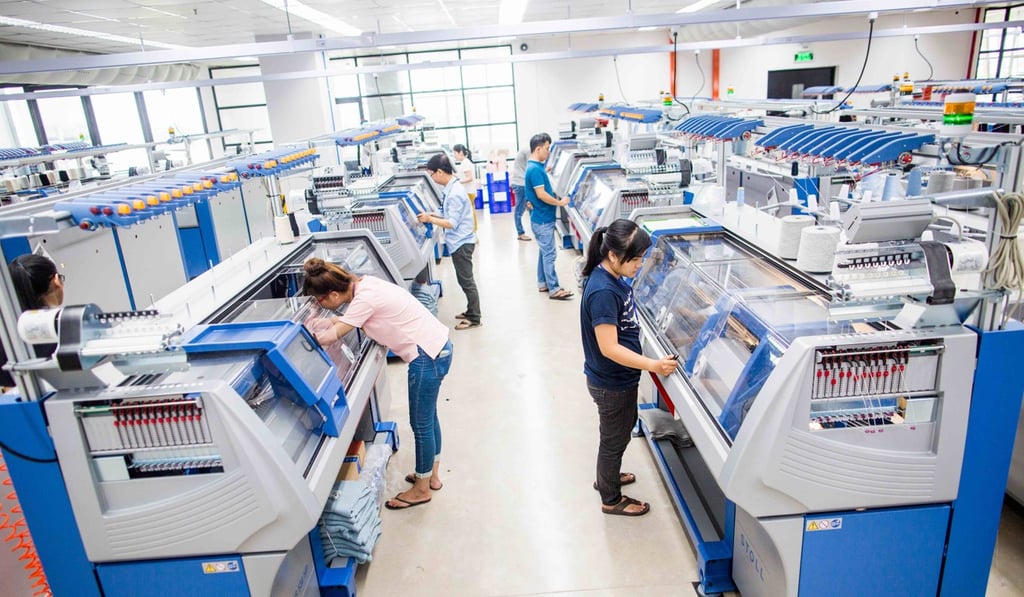
“The garment industry is famous for its sweatshops. We wanted to show the outside world that it’s possible to do garment manufacturing for people still under the best conditions.” DBW is, according to Hebestreit, one of the rare factories providing air conditioning throughout its premises.