Why do men do most of the talking in Disney’s recent princess films?
Linguistic analysis of The Little Mermaid, Pocahontas, Mulan and other animated features shows that while lead characters may have feminist traits, they don’t get much of the dialogue

To modern eyes, the classic trio of Disney princess films – released in 1937, 1950, and 1959 – can seem painfully retrograde. Why are characters so obsessed with Snow White’s looks? Why doesn’t Cinderella have any talents or hobbies? And why doesn’t Sleeping Beauty do anything besides get drugged and await rescue?
A generational gap divides Disney’s princess franchise. After 1959’s Sleeping Beauty, it took 30 years for the studio to produce another animated princess feature. The intervening decades saw dramatic change. Walt Disney died. Betty Friedan published The Feminine Mystique. Martin Luther King Jr. marched on Washington.
READ MORE - Not letting it go: Disney announces ‘Frozen 2’, sequel to animated blockbuster
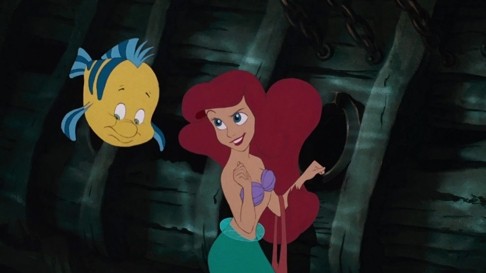
In 1989, when Disney finally released The Little Mermaid, critics praised this modern new heroine. Unlike her predecessors, “Ariel is fully realised female character who thinks and acts independently, even rebelliously,” Roger Ebert wrote. The New York Times called her “a spunky daredevil”.
And yet, in one respect, The Little Mermaid represented a backward step in the princess genre. For a film centred on a young woman, there’s an awful lot of talking by men. In fact, this was the first Disney princess movie in which the men significantly outspoke the women.
And it started a trend. The plot of The Little Mermaid, of course, involves Ariel literally losing her voice – but in the five Disney princess movies that followed, the women speak even less. On average in those films, men have three times as many lines as women.
“We don’t believe that little girls naturally play a certain way or speak a certain way,” says Fought, a professor of linguistics at Pitzer College. “They’re not born liking a pink dress. At some point we teach them. So a big question is where girls get their ideas about being girls.”