Legends: Sweet and Sour Pork
A global favourite, no bones about it
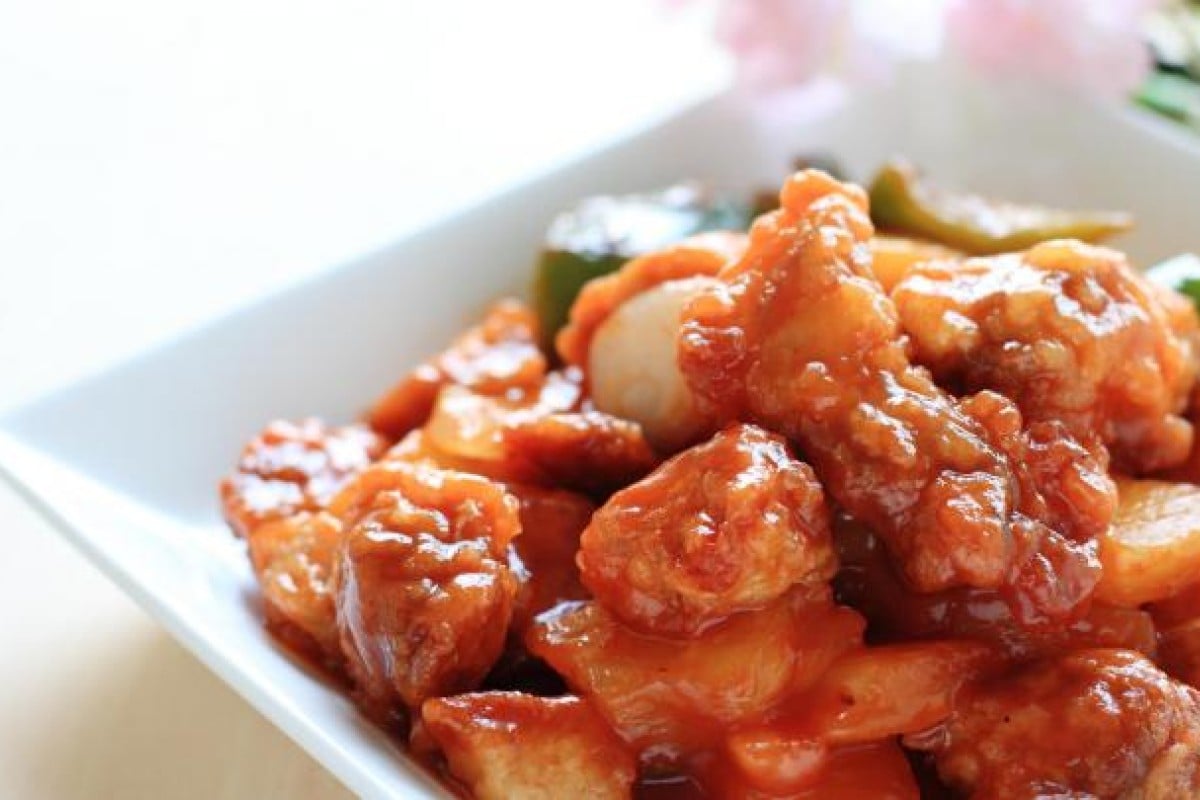
This dish of deep-fried pork, often stir-fried with pineapple and bell peppers then covered in a brightly coloured sauce, is possibly one of the best-known Chinese dishes outside China.
It is widely believed to be a Cantonese dish, and is called gu lou yook in the local dialect. Yook means "meat" but the first two words seem to have been made up for phonetic reasons.
Some say that just smelling the dish as it arrives at the table is enough to make one salivate, and gu lou represents the sound made by gulping.
Others say that the dish has ancient origins, and the words for ancient are also pronounced gu lou, in different tones.
Its popularity among Westerners may explain another tale related to the dish's curious name. When Western traders first came to China in large numbers, they landed in Guangdong province. The story goes that this dish was created in Chencun, a town in Shunde district, but was originally made with ribs rather than diced pork. Visiting foreigners loved it, but disliked the bones, so chefs started to cook it with the well-marbled pork shoulder. This boneless version became known as wu lou yook - wu lou being a derogative term for Westerners. In a similar vein, some say that the name was derived from how these Western traders (presumably English-speaking) exclaimed "good!" after tasting the dish. Unable to understand English, the locals transcribed it as gu or gu lou.
Cooking with a combination of vinegar and sugar is not unique to the Cantonese - in fact, almost every Chinese cuisine has its own version of sweet and sour sauce. It's interesting to note that at the famous Luk Yu tea house, whose sweet and sour pork is itself legendary, Western ketchup and Worcestershire feature heavily.