High hopes for €300 Sacred Cloud red wine from China’s Yunnan highlands
Moet Hennessy team producing Ao Yun cabernet blend in one of the remotest parts of the country with help of Tibetan farmers aims to deliver the greatest wine in China and make it world-class

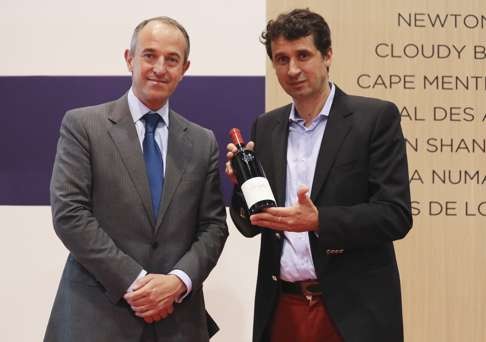
In a function room at the Hong Kong Convention and Exhibition Centre, Jean-Guillaume Prats, president of Moët Hennessy Estates & Wines, presents a dramatic video of swirling white clouds over snow-capped mountains, long-haired yaks, old women in colourful dress, and terraced hills.
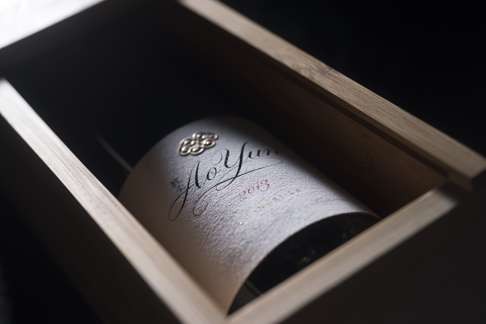
These images set the scene for the launch of Ao Yun, translated as “sacred cloud”, the company’s first foray into making wine from scratch in Deqin county, in northern Yunnan province bordering Tibet and Myanmar.
While Moët Hennessy has produced a sparkling wine in Ningxia, below the Gobi Desert in northern China, the company’s CEO, Christophe Navarre, felt it was time to try to make a red wine, and sent Australian wine scientist, consultant and winemaker Tony Jordan on a three-year journey around China to find the perfect spot.
That location turned out to be up an unpaved road a 4½-hour drive from Kunming, the capital of Yunnan province in the country’s southwest, where there are four Tibetan villages, an hour away from each other, at altitudes above 2,200 metres. The climate is very dry, it doesn’t get cold enough in winter for snow, and there aren’t many insects.