Grape & GrainWhy some winemakers drop organic label, but not Crozes-Hermitage pioneers
Some producers in France have given up their organic certification because of concerns over its rules, but a group of winemakers in the south of the country are fiercely proud of their natural methods

Organic winemaking has had something of a wobble recently. About 8 per cent of the vineyard surface in Europe is certified organic, a number that has seen little upward movement over the past decade. In January of this year, Domaine de Fondrèche, a well-known producer in the Côtes du Ventoux region of France, became the latest in a line of organic winemakers to drop the certification. This, winemaker Sebastien Vincenti says, was because he had reservations over some of the products allowed within its rules – copper is usually the biggest source of arguments.
Neat little boxes like being labelled organic are suddenly being opened and questioned everywhere. What does “best for the environment” really mean? Just because something is natural, does that mean that it isn’t harmful? Are the old rules too inflexible to deal with the pressures of a fast-changing climate?
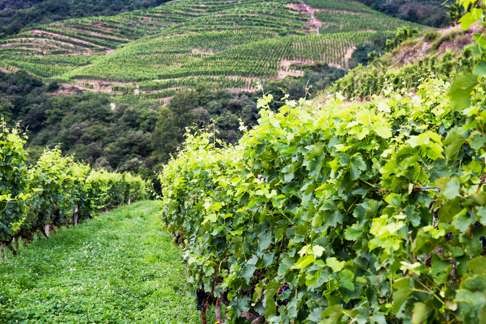
Combier should know something about this. Domaine Combier, is celebrating 46 years of organics. That makes it one of the oldest practitioners in France, thanks to decisions taken by Laurent’s father, Maurice Combier, who died earlier this year.
“This was at the end of the 1960s , when the government organisations were fully behind the widespread use of synthetic fertilisers and pesticides as a way to improve food supply after the second world war,” says Combier. “When these products were applied to soils that had been organic for centuries, the effect was immediate and impressive. But after a few years, my father could tell that the soils were beginning to lose all the life in them, and he stopped. His neighbours called him ‘Maurice le fou’ [crazy Maurice] and believed they would be able to pick up his estate in a few years once he went out of business.”