Why Hong Kong restaurants are using Asian farmed caviar
With restrictions on the sale of wild sturgeon caviar, consumers have turned to high-quality farmed roe from China, Japan and other Asian countries

Caviar is back on the menu. Farmed fish roe from Europe, the Americas, and, increasingly, from Asia, has now reached a level of quality comparable to the precious black pearls of yesteryear from wild sturgeon in the Caspian Sea.
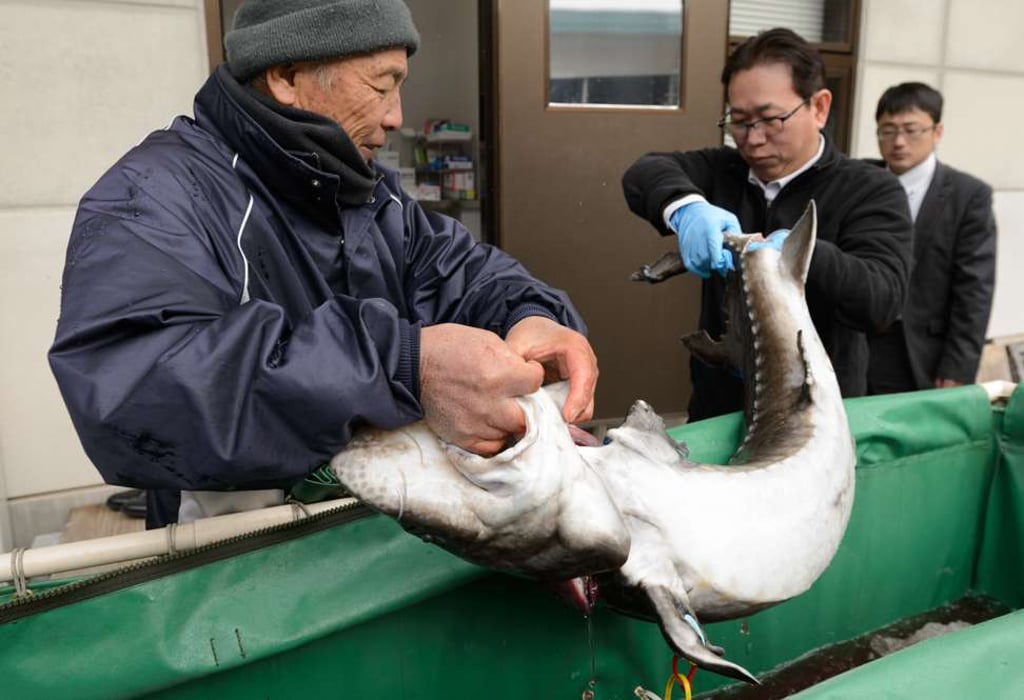
Most of the 27 species of sturgeon have been fished almost to extinction in the wild, but some are thriving in international aquaculture.
Sturgeon caviar – purists insist there is no other kind – has been produced for many years in China, but the fish are now also being farmed for their roe and meat in Malaysia, Thailand, Vietnam, South Korea and Japan.
Until April 18, Miyazaki Caviar 1983 is being featured exclusively on the menus of The Lounge and The Blue Bar at the Four Seasons Hotel, and Hong Kong is the first market outside Japan in which the product has been sold.
The Japanese caviar is also unusual in that it has been preserved not by the traditional method of salt-curing – although some salting is involved – but by the flash-freezing technique the Japanese use for tuna.