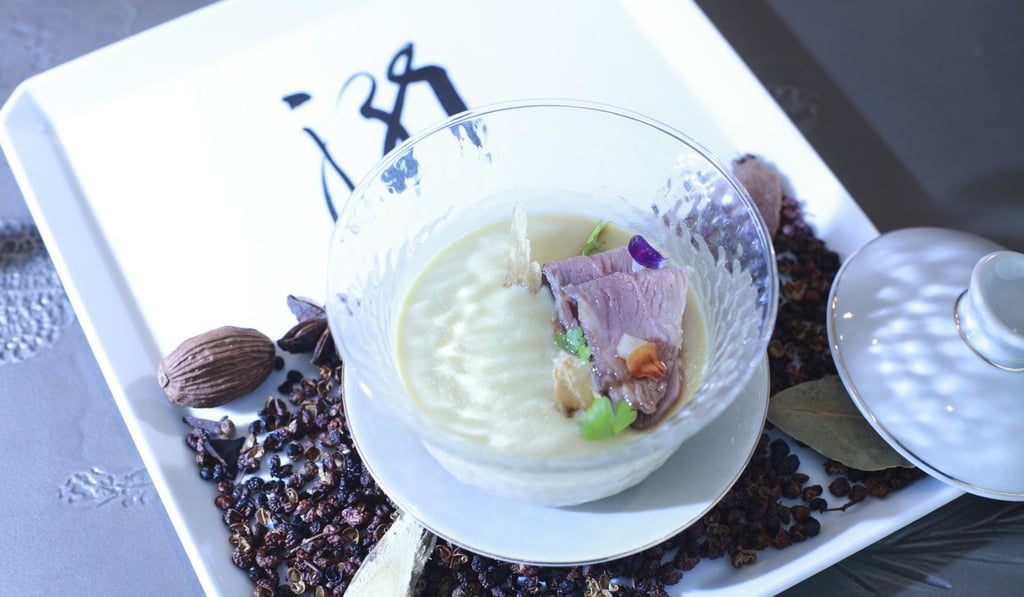
Restaurant review: Tate in Sheung Wan – chef Vicky Lau cooks with poetry, emotion
Voted Asia’s best female chef in 2015, Lau pulls out all the stops in her ‘Odes’ menu, with memorable dishes in her Michelin starred French-Asian outlet

Chilean poet Pablo Neruda wrote odes to just about everything that caught his eye, from his socks, to the lemon, to “a large tuna in the market”. Chef Vicky Lau’s creations pay homage to his poems with her menu of unaffected beauty. Behind such simple names as “Ode to Meat”, “Ode to Scallop”, and so on, are delightful compositions that far surpass their mundane descriptions.
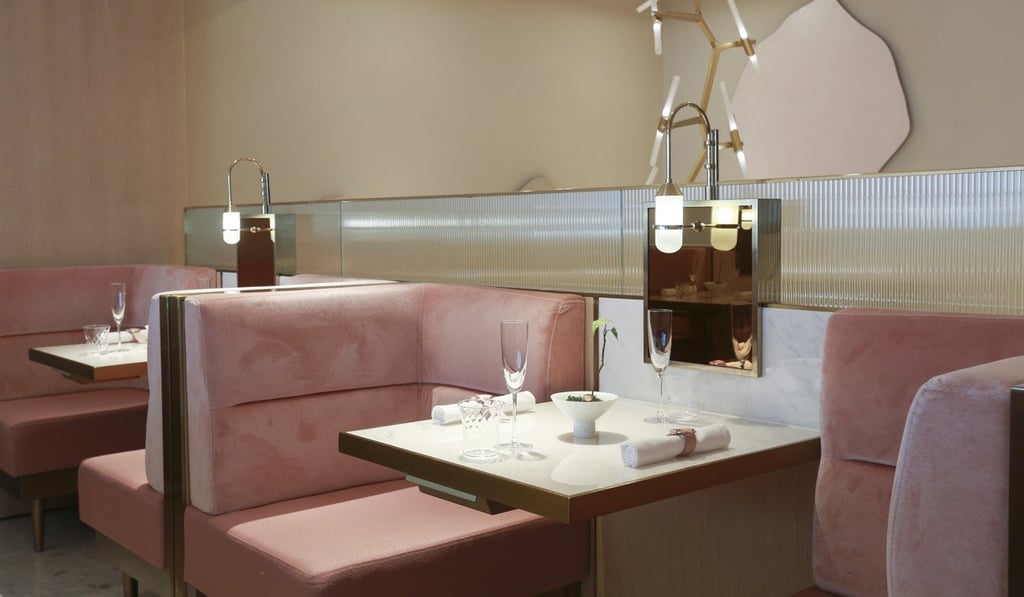
With only a regular tasting menu (HK$1,580) and a vegetarian option (HK$1,380) available for dinner, we ended up with two of the former, instead of one of each, because of confusion, possibly self-caused. Instead of eight “chapters”, however, we opted for six (HK$1,280), not counting the introduction: beetroot gazpacho, with house-made sour dough and kombu butter. The menu changes often, and what we tasted probably won’t be available now.
Lau’s Japanese influences made more than cameo appearances throughout the three-hour-plus meal, with the Japanese kelp playing a repeat role, along with yuzu (in the delicious Ode to Mackerel) and small mochi for dessert.
Among the dishes to score full marks was Ode to Umami, which combined miso-grilled kinmedai with kinome purée and white asparagus. Atop a perfectly cooked piece of golden eye snapper was a sprig of kinome, which should have been renamed “kapow”: that was the big-flavour effect of the citrusy, peppery purée the herb produced.