How to cook rice perfectly: all you need to know, from the right amount of water to use to the best pan for the job
If you haven’t cooked rice before, the prospect can be daunting. Susan Jung weighs the pros and cons of the electrice rice cooker, stainless steel or cast iron saucepan, and special pots used in China, Japan, and Korea

Cooking rice should be easy. Humans have been eating it for millennia; our ancestors first started cultivating the seeds of wild grass an estimated 12,000 years ago, and today, it’s a staple for billions of people around the world.
But unless you were raised watching someone prepare it for dinner every night, and who taught you their way of measuring the right amount of water (with Chinese households, this usually involves using the first joint of your forefinger as a guide), the thought of cooking your first pot of rice can be intimidating.
A one-size-fits-all recipe is impossible because there are too many factors to take into consideration. Not all rice is the same; even within the long-grain rice category there are many types that might need different amounts of water and longer or shorter cooking times.
Rice that’s been harvested, milled, packaged and cooked within a year is going to need less water than rice that’s been in a container in your pantry for goodness knows how long. Brown rice, with its husk, bran and germ intact, takes longer to cook than white rice.
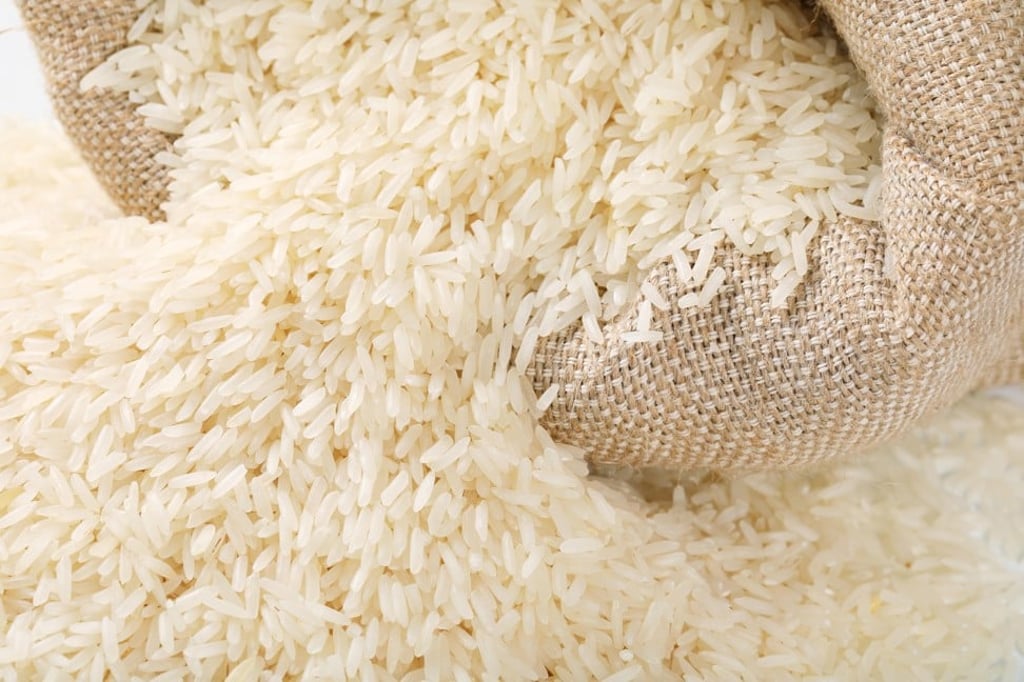
First things first, you do not need an electric rice cooker. Yes, this is the easiest way: use the scoop that comes with the cooker to measure the rice into the insert, rinse it to get off excess starch, then add water to come up to the indicator line in the insert. Put the insert into the cooker, close the lid and press the button. The result? A consistent product – as long as you’re using the right type of rice.
Basic rice cookers – the type with just one switch – made for the Hong Kong market are different from those for the Japanese market, because we tend to eat long-grain rice which cooks into distinct grains, while in Japan the preferred rice is short-grain, which is stickier.