From nation of vodka drinkers to a wine powerhouse? Uzbekistan’s winemaking ambitions
- Its production is tiny, its wine industry a legacy of imperial Russia and its climate harsh, but Muslim Central Asian nation has big plans to raise output
- It wants to plant chardonnay and cabernet grapes, and hopes to export fine wine to Europe and China, but it will enter a crowded market

As the warm autumn becomes a distant memory and winter extends its grip over the Central Asian steppe, Uzbek grape farmer Abdumutal Yuldashev’s harvest is bottled up, bound for Russia.
While Yuldashev’s 15 hectares of land once yielded mostly grapes for the table, now he and his small cohort of workers find themselves on the front lines of an ambitious, state-led winemaking drive in the majority-Muslim country.
Uzbekistan: ancient architecture, friendly locals and plenty of plov
This season his team harvested Bayan Shirei and Rkatsiteli grape varieties, native to the former Soviet countries of the Caucasus. But in the future, internationally known types such as chardonnay and cabernet could be the order of the day, if plans by the country’s strongman president, Shavkat Mirziyoyev, bear fruit.
A decree published by the presidential office in February called for a 60 per cent increase in the state wine company’s wine exports by the end of 2021 from current levels. By then too, it also wants the area under cultivation by the company to have doubled.
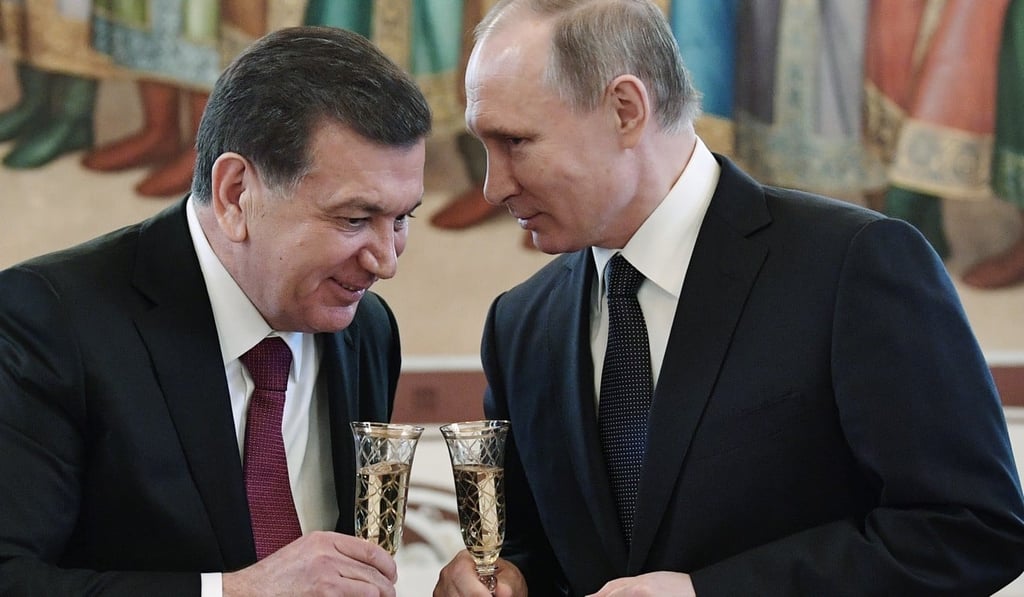
Mirziyoyev has pledged to unshackle Uzbekistan’s economy, weaning it off its dependence on commodities like the water-thirsty cotton crop that covers the country in swathes, while attracting foreign investors.